
Title
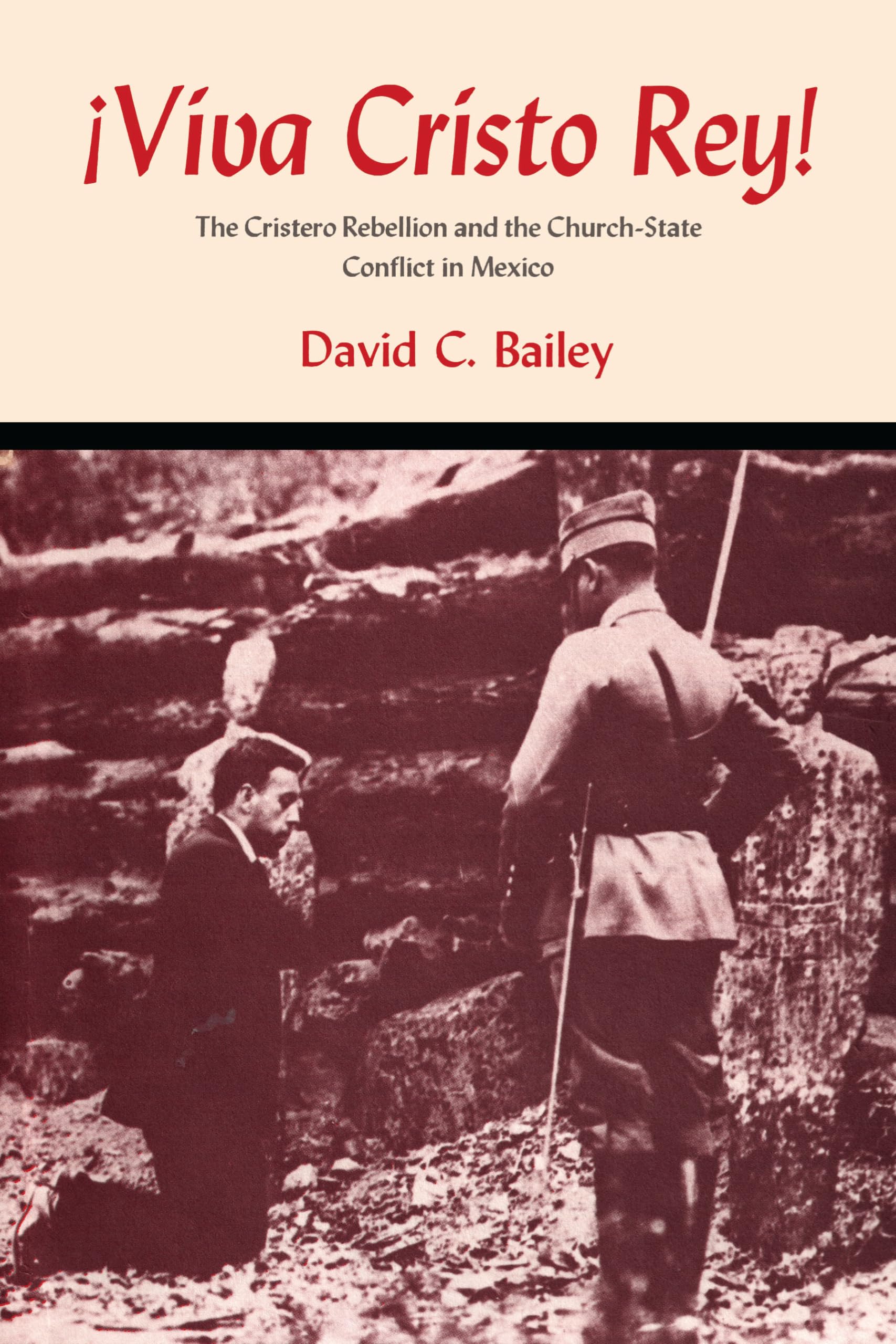
Viva Cristo Rey!: The Cristero Rebellion and the ChurchState Conflict in Mexico (Texas Pan American Series),Used
Sold by Ergodebooks, an authorized reseller.
Returns accepted within 30 days | support@ergodebooks.com
Shipping Information
- Free Standard Shipping — United States only
- Processing Time: 3–5 business days
- Estimated Delivery: 6–10 business days after dispatch
- Double-boxed, fully insured & discreetly packaged
- Tracking number sent via email once dispatched
Returns & Refund
Returns accepted within 30 days of delivery.
Damaged or Defective Item
Free return shipping + replacement or full refund
Wrong Item Received
Free return shipping + replacement or full refund
Change of Mind
Return shipping at customer's expense · 25% restocking fee applies
Payment Option

Between 1926 and 1929, thousands of Mexicans fought and died in an attempt to overthrow the government of their country. They were the Cristeros, so called because of their battle cry, Viva Cristo Rey!Long Live Christ the King! The Cristero rebellion and the churchstate conflict remain one of the most controversial subjects in Mexican history, and much of the writing on it is emotional polemic. David C. Bailey, basing his study on the most important published and unpublished sources available, strikes a balance between objective reporting and analysis. This book depicts a national calamity in which sincere people followed their convictions to often tragic ends.The Cristero rebellion climaxed a century of animosity between the Catholic church and the Mexican state, and this background is briefly summarized here. With the coming of the 1910 revolution the hostility intensified. The revolutionists sought to impose severe limitations on the Church, and Catholic antirevolutionary militancy grew apace. When the government in 1926 decreed strict enforcement of anticlerical legislation, matters reached a crisis. Church authorities suspended public worship throughout Mexico, and Catholics in various parts of the country rose up in arms. There followed almost three years of indecisive guerrilla warfare marked by brutal excesses on both sides. Bailey describes the armed struggle in broad outline but concentrates on the political and diplomatic maneuvering that ultimately decided the issue.A de facto settlement was brought about in 1929, based on the governments pledge to allow the Church to perform its spiritual offices under its own internal discipline. The pact was arranged mainly through the intercession of U.S. Ambassador Dwight Morrow. His role in the conflict, as well as that of other Americans who decisively influenced the course of events, receives detailed attention in the study. The position of the Vatican during the conflict and its role in the settlement are also examined in detail.With the 1929 settlement the clergy returned to the churches, whereupon the Cristeros lost public support and the rebellion collapsed. The spirit of the settlement soon evaporated, more strife followed, and only after another decade did permanent religious peace come to Mexico.
⚠️ WARNING (California Proposition 65):
This product may contain chemicals known to the State of California to cause cancer, birth defects, or other reproductive harm.
For more information, please visit www.P65Warnings.ca.gov.