
Title
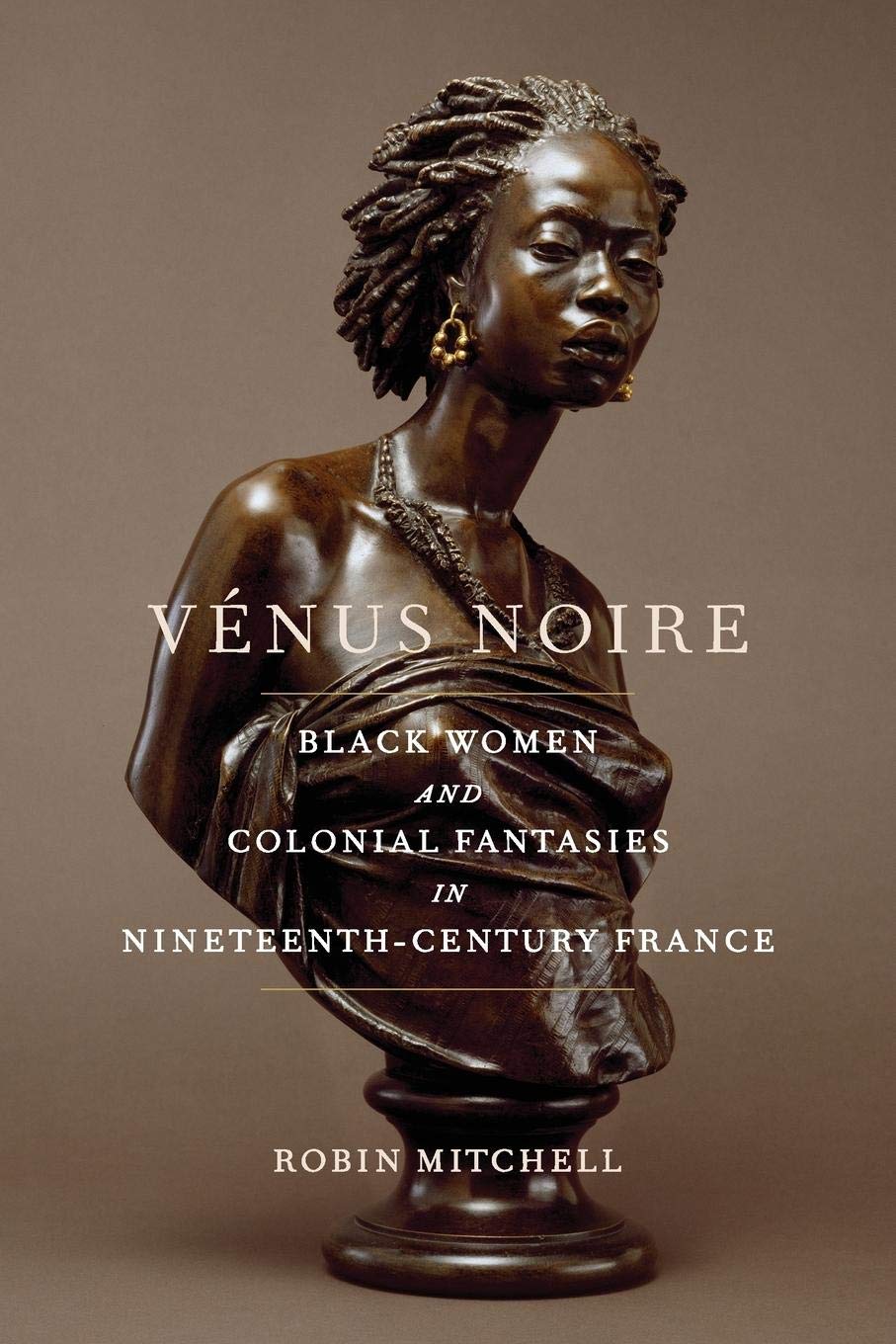
Vnus Noire: Black Women And Colonial Fantasies In Nineteenthcentury France (Race In The Atlantic World, 17001900 Ser.),Used
Sold by Ergodebooks, an authorized reseller.
Returns accepted within 30 days | support@ergodebooks.com
Shipping Information
- Free Standard Shipping — United States only
- Processing Time: 3–5 business days
- Estimated Delivery: 6–10 business days after dispatch
- Double-boxed, fully insured & discreetly packaged
- Tracking number sent via email once dispatched
Returns & Refund
Returns accepted within 30 days of delivery.
Damaged or Defective Item
Free return shipping + replacement or full refund
Wrong Item Received
Free return shipping + replacement or full refund
Change of Mind
Return shipping at customer's expense · 25% restocking fee applies
Payment Option

Even though there were relatively few people of color in postrevolutionary France, images of and discussions about black women in particular appeared repeatedly in a variety of French cultural sectors and social milieus. In Vnus Noire, Robin Mitchell shows how these literary and visual depictions of black women helped to shape the countrys postrevolutionary national identity, particularly in response to the trauma of the French defeat in the Haitian Revolution.Vnus Noire explores the ramifications of this defeat in examining visual and literary representations of three black women who achieved fame in the years that followed. Sarah Baartmann, popularly known as the Hottentot Venus, represented distorted memories of Haiti in the French imagination, and Mitchell shows how her display, treatment, and representation embodied residual anger harbored by the French. Ourika, a young Senegalese girl brought to live in France by the Marchal Prince de Beauvau, inspired plays, poems, and clothing and jewelry fads, and Mitchell examines how the French appropriated black female identity through these representations while at the same time perpetuating stereotypes of the hypersexual black woman.Finally, Mitchell shows how demonization of Jeanne Duval, longtime lover of the poet Charles Baudelaire, expressed Frances need to rid itself of black bodies even as images and discourses about these bodies proliferated. The stories of these women, carefully contextualized by Mitchell and put into dialogue with one another, reveal a blind spot about race in French national identity that persists in the postcolonial present.
⚠️ WARNING (California Proposition 65):
This product may contain chemicals known to the State of California to cause cancer, birth defects, or other reproductive harm.
For more information, please visit www.P65Warnings.ca.gov.