If you have any questions, you are always welcome to contact us. We'll get back to you as soon as possible, withing 24 hours on weekdays.
Customer service
All questions about your order, return and delivery must be sent to our customer service team by e-mail at yourstore@yourdomain.com
Sale & Press
If you are interested in selling our products, need more information about our brand or wish to make a collaboration, please contact us at press@yourdomain.com
Help
If you have any questions, you are always welcome to contact us. We'll get back to you as soon as possible, withing 24 hours on weekdays.
Customer service
All questions about your order, return and delivery must be sent to our customer service team by e-mail at yourstore@yourdomain.com
Sale & Press
If you are interested in selling our products, need more information about our brand or wish to make a collaboration, please contact us at press@yourdomain.com
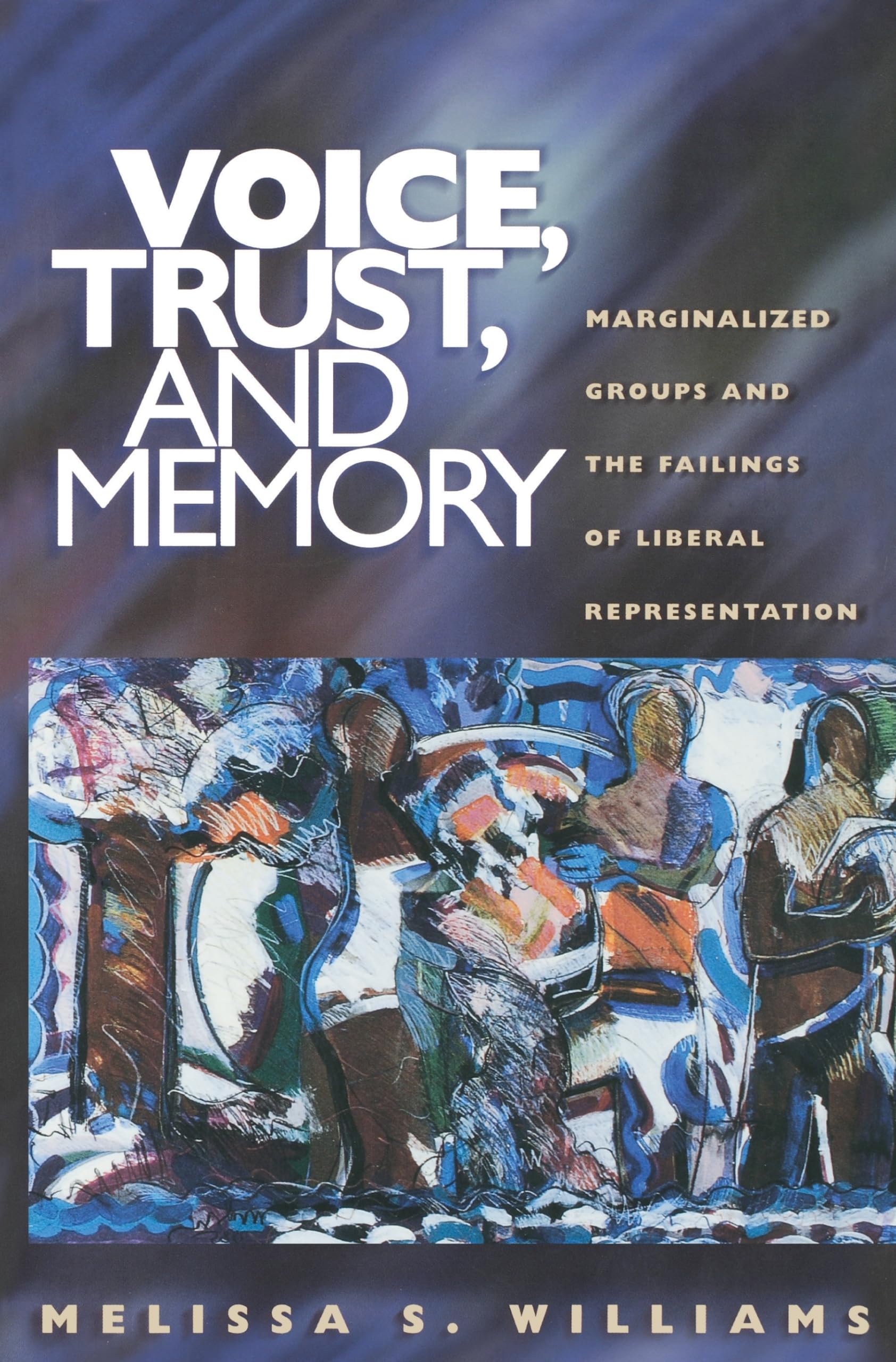
Does Fair Political Representation For Historically Disadvantaged Groups Require Their Presence In Legislative Bodies? The Intuition That Women Are Best Represented By Women, And Africanamericans By Other Africanamericans, Has Deep Historical Roots. Yet The Conception Of Fair Representation That Prevails In American Political Culture And Jurisprudencewhat Melissa Williams Calls 'Liberal Representation'Concludes That The Social Identity Of Legislative Representatives Does Not Bear On Their Quality As Representatives. Liberal Representation'S Slogan, 'One Person, One Vote,' Concludes That The Outcome Of The Electoral And Legislative Process Is Fair, Whatever It Happens To Be, So Long As No Voter Is Systematically Excluded. Challenging This Notion, Williams Maintains That Fair Representation Is Powerfully Affected By The Identity Of Legislators And Whether Some Of Them Are Actually Members Of The Historically Marginalized Groups That Are Most In Need Of Protection In Our Society.Williams Argues First That The Distinctive Voice Of These Groups Should Be Audible Within The Legislative Process. Second, She Holds That The Selfrepresentation Of These Groups Is Necessary To Sustain Their Trust In Democratic Institutions. The Memory Of Statesponsored Discrimination Against These Groups, Together With Ongoing Patterns Of Inequality Along Group Lines, Provides Both A Reason To Recognize Group Claims And A Way Of Distinguishing Stronger From Weaker Claims. The Book Closes By Proposing Institutions That Can Secure Fair Representation For Marginalized Groups Without Compromising Principles Of Democratic Freedom And Equality.
⚠️ WARNING (California Proposition 65):
This product may contain chemicals known to the State of California to cause cancer,
birth defects, or other reproductive harm.
For MAP (Minimum Advertised Price) violations and Intellectual Property (IP) or Trademark concerns, please contact:
support@ergodebooks.com
⚠️ California Proposition 65 Warning: Some products sold on this website may expose you to chemicals known to the State of California to cause cancer, birth defects, or other reproductive harm. For more information, visit www.P65Warnings.ca.gov.