
Title
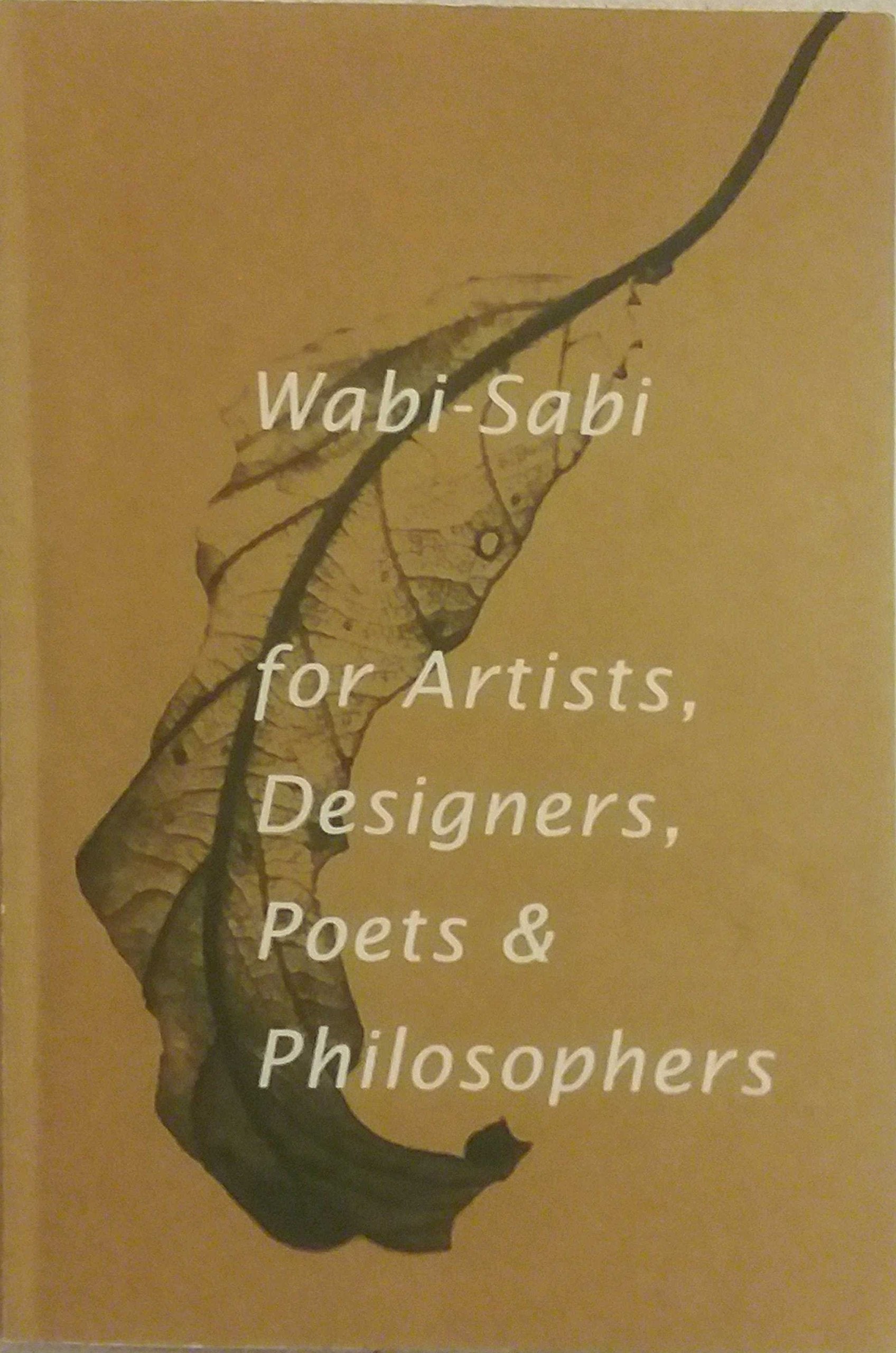
Wabisabi: For Artists, Designers, Poets & Philosophers
Sold by Ergodebooks, an authorized reseller.
Returns accepted within 30 days | support@ergodebooks.com
Shipping Information
- Free Standard Shipping — United States only
- Processing Time: 3–5 business days
- Estimated Delivery: 6–10 business days after dispatch
- Double-boxed, fully insured & discreetly packaged
- Tracking number sent via email once dispatched
Returns & Refund
Returns accepted within 30 days of delivery.
Damaged or Defective Item
Free return shipping + replacement or full refund
Wrong Item Received
Free return shipping + replacement or full refund
Change of Mind
Return shipping at customer's expense · 25% restocking fee applies
Payment Option

From The Introductionwabisabi Is A Beauty Of Things Imperfect, Impermanent, And Incomplete.It Is A Beauty Of Things Modest And Humble.It Is A Beauty Of Things Unconventional.The Immediate Catalyst For This Book Was A Widely Publicized Tea Event In Japan. The Japanese Aesthetic Of Wabisabi Has Long Been Associated With The Tea Ceremony, And This Event Promised To Be A Profound Wabisabi Experience. Hiroshi Teshigahara, The Hereditary Iemoto (Grand Master) Of The Sogetsu School Of Flower Arranging, Had Commissioned Three Of Japan'S Most Famous And Fashionable Architects To Design And Build Their Conceptions Of Ceremonial Teadrinking Environments. Teshigahara In Addition Would Provide A Fourth Design. After A Threeplushour Train And Bus Ride From My Office In Tokyo, I Arrived At The Event Site, The Grounds Of An Old Imperial Summer Residence. To My Dismay I Found A Celebration Of Gorgeousness, Grandeur, And Elegant Play, But Hardly A Trace Of Wabisabi. One Slick Tea Hut, Ostensibly Made Of Paper, Looked And Smelled Like A Big White Plastic Umbrella. Adjacent Was A Structure Made Of Glass, Steel, And Wood That Had All The Intimacy Of A Highrise Office Building. The One Tea House That Approached The Wabisabi Qualities I Had Anticipated, Upon Closer Inspection, Was Fussed Up With Gratuitous Post Modern Appendages. It Suddenly Dawned On Me That Wabisabi, Once The Preeminent Highculture Japanese Aesthetic And The Acknowledged Centerpiece Of Tea, Was Becominghad Become?An Endangered Species.Admittedly, The Beauty Of Wabisabi Is Not To Everyone'S Liking. But I Believe It Is In Everyone'S Interest To Prevent Wabisabi From Disappearing Altogether. Diversity Of The Cultural Ecology Is A Desirable State Of Affairs, Especially In Opposition To The Accelerating Trend Toward The Uniform Digitalization Of All Sensory Experience, Wherein An Electronic Reader Stands Between Experience And Observation, And All Manifestation Is Encoded Identically.In Japan, However, Unlike Europe And To A Lesser Extent America, Precious Little Material Culture Has Been Saved. So In Japan, Saving A Universe Of Beauty From Extinction Means, At This Late Date, Not Merely Preserving Particul
⚠️ WARNING (California Proposition 65):
This product may contain chemicals known to the State of California to cause cancer, birth defects, or other reproductive harm.
For more information, please visit www.P65Warnings.ca.gov.
- Q: What is the page count of this book? A: This book contains ninety-six pages. It offers a concise exploration of the wabi-sabi aesthetic.
- Q: What is the binding type of this book? A: This book is a paperback edition. The paperback format makes it lightweight and easy to handle.
- Q: Who is the author of this book? A: The author is Leonard Koren. He is known for his insights into aesthetics and design.
- Q: How can I best appreciate the themes in this book? A: To appreciate the themes, consider engaging with the concepts of imperfection and transience. Reflecting on personal experiences can enhance your understanding.
- Q: Is this book suitable for beginners in art and design? A: Yes, this book is suitable for beginners. It introduces fundamental concepts of the wabi-sabi aesthetic in an accessible manner.
- Q: What age group is this book appropriate for? A: This book is suitable for adults and young adults. It delves into philosophical themes that resonate with mature readers.
- Q: How should I care for this book to keep it in good condition? A: To keep this book in good condition, store it in a dry place away from direct sunlight. Handle it gently to avoid creasing the pages.
- Q: Can I read this book while eating or drinking? A: It's best to avoid reading this book while eating or drinking. Spills or food can damage the pages.
- Q: How do I store this book properly? A: Store this book upright on a shelf or flat in a drawer. Ensure it is not overloaded with other items to prevent bending.
- Q: What themes does this book explore? A: This book explores themes of beauty in imperfection and the appreciation of transience. It reflects on cultural aesthetics.
- Q: How does this book compare to other art books? A: This book uniquely focuses on the wabi-sabi aesthetic, contrasting with traditional art books that often emphasize perfection.
- Q: Is this book a good resource for design professionals? A: Yes, this book can be a valuable resource for design professionals. It offers insights into unconventional beauty and cultural perspectives.
- Q: What if I receive a damaged copy of this book? A: If you receive a damaged copy, you should contact the seller for a return or exchange. Most sellers have policies for such situations.
- Q: Is there a return policy for this book? A: Yes, return policies vary by seller. Check the specific policy before purchasing to understand the terms.
- Q: What should I do if I have trouble with the book's content? A: If you have trouble understanding the content, consider discussing it with others or looking for supplementary resources. Engaging with a community can help.