
Title

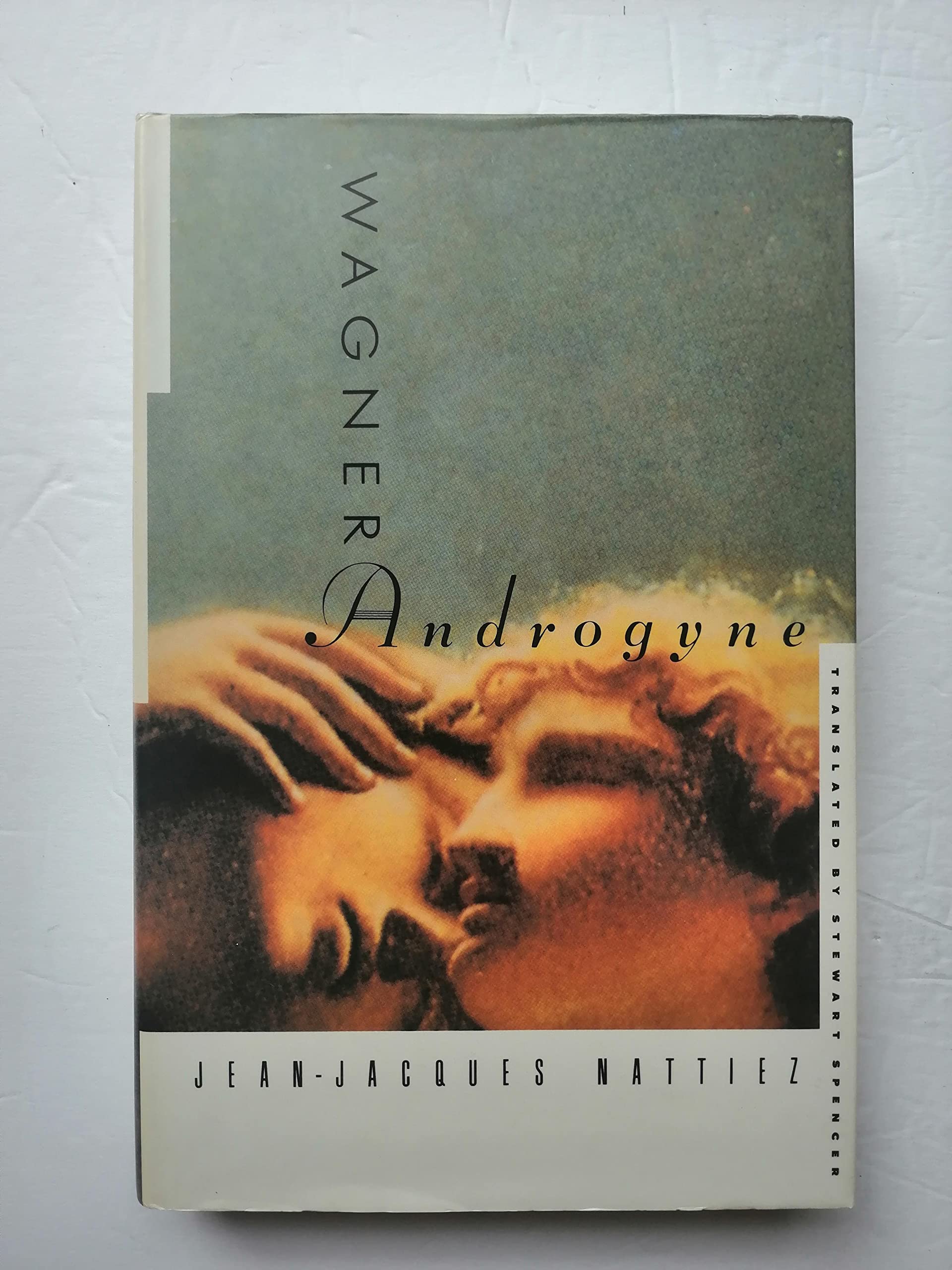
Wagner Androgyne (Princeton Studies In Opera, 22),Used
Processing time: 1-3 days
US Orders Ships in: 3-5 days
International Orders Ships in: 8-12 days
Return Policy: 15-days return on defective items
Payment Option

That Wagner Conceived Of Himself Creatively As Both Man And Woman Is Central To An Understanding Of His Life And Art. So Argues Jeanjacques Nattiez In This Richly Insightful Work, Where He Draws From Semiology, Music Criticism, And Psychoanalysis To Explore Such Topics As Wagner'S Theories Of Music Drama, His Antisemitism, And His Psyche.Wagner, Who Wrote The Libretti For The Operas He Composed, Maintained That Art Is The Union Of The Feminine Principle, Music, And The Masculine Principle, Poetry. In Light Of This Androgynous Model, Nattiez Reinterprets The Wagnerian Canon, Especially The Ring Of The Nibelung, Which Is Shown To Contain A Metaphorical Transposition Of Wagner'S Conception Of The History Of Music: Siegfried Appears As The Poet, Brunnhilde, As Music, And Their Union Is An Androgynous One In Which Individual Identity Fades And The Lovers Revert To A Preconflictual, Presexual State.Nattiez Traces The Androgynous Symbol In Wagner'S Theoretical Writings Throughout His Career. Looking To Explain How This Idea, So Closely Bound Up With Sexuality, Took Root In Wagner'S Mind, The Author Considers The Possibility Of Freudian And Jungian Interpretations. In Particular He Explores The Composer'S Relationship With His Mother, A Distant Woman Who Discouraged His Interest In The Theater, And His Stepfather, A Loving Man Whom Wagner Suspected Was Not Only His Real Father But Also A Jew. Along With Psychoanalysis, Nattiez Critically Applies Various Structuralist And Feminist Theories To Wagner'S Creative Enterprise To Demonstrate How The Nature Of Twentiethcentury Hermeneutics Is Itself Androgynous.Originally Published In 1993.The Princeton Legacy Library Uses The Latest Printondemand Technology To Again Make Available Previously Outofprint Books From The Distinguished Backlist Of Princeton University Press. These Editions Preserve The Original Texts Of These Important Books While Presenting Them In Durable Paperback And Hardcover Editions. The Goal Of The Princeton Legacy Library Is To Vastly Increase Access To The Rich Scholarly Heritage Found In The Thousands Of Books Published By Princeton University Press Since Its Founding In 1905.
⚠️ WARNING (California Proposition 65):
This product may contain chemicals known to the State of California to cause cancer, birth defects, or other reproductive harm.
For more information, please visit www.P65Warnings.ca.gov.
- Q: What is the size of 'Wagner Androgyne'? A: The book measures six point five inches in length, one point two six inches in width, and nine point seven six inches in height.
- Q: How many pages does 'Wagner Androgyne' have? A: The book has three hundred eighty-eight pages, providing an in-depth exploration of Wagner's life and art.
- Q: What type of binding does this book have? A: The book features hardcover binding, ensuring durability and longevity for readers.
- Q: Who is the author of 'Wagner Androgyne'? A: The author is Jean-Jacques Nattiez, who offers a unique perspective on Wagner's androgynous creative philosophy.
- Q: Is 'Wagner Androgyne' suitable for all readers? A: Yes, the book is suitable for readers interested in opera, music criticism, and psychoanalysis.
- Q: What themes does 'Wagner Androgyne' explore? A: It explores themes such as Wagner's theories of music drama, anti-Semitism, and his complex psyche.
- Q: How should I care for 'Wagner Androgyne'? A: To keep the book in good condition, store it in a dry place, away from direct sunlight.
- Q: Can I clean the book if it gets dirty? A: Yes, gently wipe the cover with a soft, dry cloth to remove any dust or smudges.
- Q: What is the publication date of 'Wagner Androgyne'? A: The book was originally published in nineteen ninety-three, making it a classic in Wagner studies.
- Q: How does 'Wagner Androgyne' compare to other books on Wagner? A: This book offers a unique psychoanalytic and semiotic approach, differing from more traditional biographies.
- Q: Is 'Wagner Androgyne' a scholarly work? A: Yes, it is a scholarly work that applies various theories to interpret Wagner's creative enterprise.
- Q: What is the target audience for 'Wagner Androgyne'? A: The target audience includes scholars, students, and enthusiasts of opera and music history.
- Q: What if my copy of 'Wagner Androgyne' arrives damaged? A: If your copy arrives damaged, contact the seller for return or replacement options.
- Q: Where can I find more information about 'Wagner Androgyne'? A: More information can be found on the Princeton University Press website or through major book retailers.
- Q: Does 'Wagner Androgyne' contain illustrations? A: No, the book does not contain illustrations, focusing instead on text and analysis.