
Title
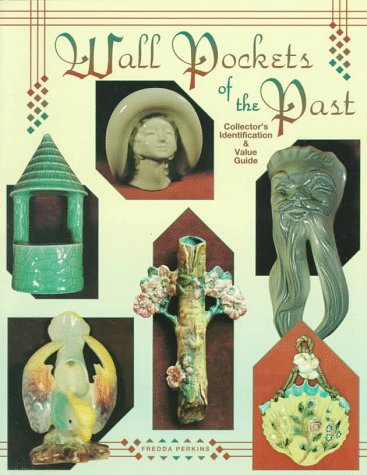
Wall Pockets of the Past: Collector's Identification and Value Guide,Used
Sold by Ergodebooks, an authorized reseller.
Returns accepted within 30 days | support@ergodebooks.com
Shipping Information
- Free Standard Shipping — United States only
- Processing Time: 3–5 business days
- Estimated Delivery: 6–10 business days after dispatch
- Double-boxed, fully insured & discreetly packaged
- Tracking number sent via email once dispatched
Returns & Refund
Returns accepted within 30 days of delivery.
Damaged or Defective Item
Free return shipping + replacement or full refund
Wrong Item Received
Free return shipping + replacement or full refund
Change of Mind
Return shipping at customer's expense · 25% restocking fee applies
Payment Option

Victorians loved flowers and wanted them everywhere in their homes, on their lapels, in their hair and even on their children, as they called their little girls names like Rose, Iris, Lily and Daisy. Wall pockets became popular during Victorian times because of this love of fresh flowers in the home. For those who dont know that such a thing exists, these decorative items are back in vogue and contemporary examples can be found if you look around at home decorating outlets and catalogs even today. Made of porcelain, glass and pottery, wall pockets are flatbacked decorative objects that hang on a wall, providing a vase effect. Also called wall vases, wall pockets grew in popularity in the United States during the time between the two world wars. These charming wall hangings were meant to hold cut flowers or to root ivy or other plants. Victorian examples in majolica are especially lovely. But wall pockets can be found in many desirable colors and types of glass, including flow blue, lustre ware, carnival glass, milk glass, hand painted and hand blown. This book discusses and shows hundreds of pictures of antique all pockets.
⚠️ WARNING (California Proposition 65):
This product may contain chemicals known to the State of California to cause cancer, birth defects, or other reproductive harm.
For more information, please visit www.P65Warnings.ca.gov.