
Title
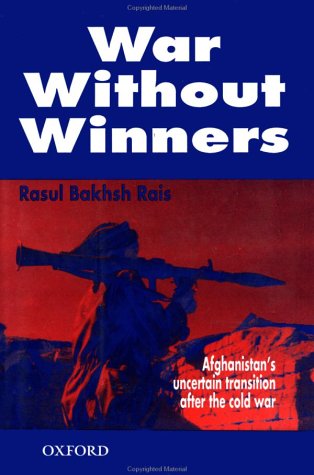
War without Winners: Afghanistans Uncertain Transition after the Cold War,Used
Sold by Ergodebooks, an authorized reseller.
Returns accepted within 30 days | support@ergodebooks.com
Shipping Information
- Free Standard Shipping — United States only
- Processing Time: 3–5 business days
- Estimated Delivery: 6–10 business days after dispatch
- Double-boxed, fully insured & discreetly packaged
- Tracking number sent via email once dispatched
Returns & Refund
Returns accepted within 30 days of delivery.
Damaged or Defective Item
Free return shipping + replacement or full refund
Wrong Item Received
Free return shipping + replacement or full refund
Change of Mind
Return shipping at customer's expense · 25% restocking fee applies
Payment Option

The situation created by Soviet intervention in Afghanistan attracted scholarly attention worldwide. But though much was written on Afghanistan, little effort was made to understand the domestic roots of the confrontation, nor was any effort made to explain the linkage between internal strife and external invasion.In this first work of its kind Dr Rasul Bakhsh Rais analyses all the factors that led to the Afghan tragedy. He examines the nature of the Afghan state and society, the dynamics of the regional and global power structure, the externalization of the civil strife and the resultant fragmentation of political power, thereby adding a fresh perspective to the debate on the politics and security of Afghanistan.
⚠️ WARNING (California Proposition 65):
This product may contain chemicals known to the State of California to cause cancer, birth defects, or other reproductive harm.
For more information, please visit www.P65Warnings.ca.gov.
- Q: How many pages does the book have? A: The book contains three hundred pages, providing an in-depth analysis of Afghanistan's political landscape.
- Q: What are the dimensions of this book? A: The book measures six inches in length, one inch in width, and nine inches in height, making it a standard hardcover size.
- Q: What type of binding does this book have? A: This book is bound in hardcover, which adds durability and a professional appearance.
- Q: Who is the author of this book? A: The author is Rasul Bux Rais, a scholar specializing in Afghan studies and political dynamics.
- Q: What genre does this book belong to? A: This book falls under the category of Asia-related political analysis, focusing on Afghanistan's historical context.
- Q: What is the main theme of the book? A: The main theme revolves around the internal and external factors contributing to Afghanistan's political instability.
- Q: How do I read this book effectively? A: To read effectively, start with the introduction to understand the context, then follow the chapters that discuss key themes.
- Q: Is this book suitable for academic use? A: Yes, this book is suitable for academic use due to its scholarly analysis and comprehensive research on Afghanistan.
- Q: What age group is this book appropriate for? A: This book is appropriate for adults and graduate students interested in political science and history.
- Q: How should I store this book? A: Store this book upright on a shelf in a cool, dry place to maintain its condition.
- Q: Can I clean the book's cover? A: Yes, you can clean the hardcover with a damp cloth, but avoid using harsh chemicals to prevent damage.
- Q: What if the book arrives damaged? A: If the book arrives damaged, contact customer support within thirty days for a replacement or refund.
- Q: What is the return policy for this book? A: The return policy allows you to return the book within thirty days if you are not satisfied.
- Q: Is this book suitable for beginners in political studies? A: While it provides valuable insights, prior knowledge of Afghan history may enhance understanding for beginners.
- Q: How does this book compare to other books on Afghanistan? A: This book offers a unique perspective by focusing on the internal political dynamics, unlike many others that emphasize external factors.
- Q: What should I do if I have trouble understanding the content? A: If you have trouble, consider reading supplementary materials on Afghan history or discussing it with peers for clarity.