
Title
Was Hinduism Invented?: Britons, Indians, And The Colonial Construction Of Religion,New
Sold by Ergodebooks, an authorized reseller.
Returns accepted within 30 days | support@ergodebooks.com
Shipping Information
- Free Standard Shipping — United States only
- Processing Time: 3–5 business days
- Estimated Delivery: 6–10 business days after dispatch
- Double-boxed, fully insured & discreetly packaged
- Tracking number sent via email once dispatched
Returns & Refund
Returns accepted within 30 days of delivery.
Damaged or Defective Item
Free return shipping + replacement or full refund
Wrong Item Received
Free return shipping + replacement or full refund
Change of Mind
Return shipping at customer's expense · 25% restocking fee applies
Payment Option

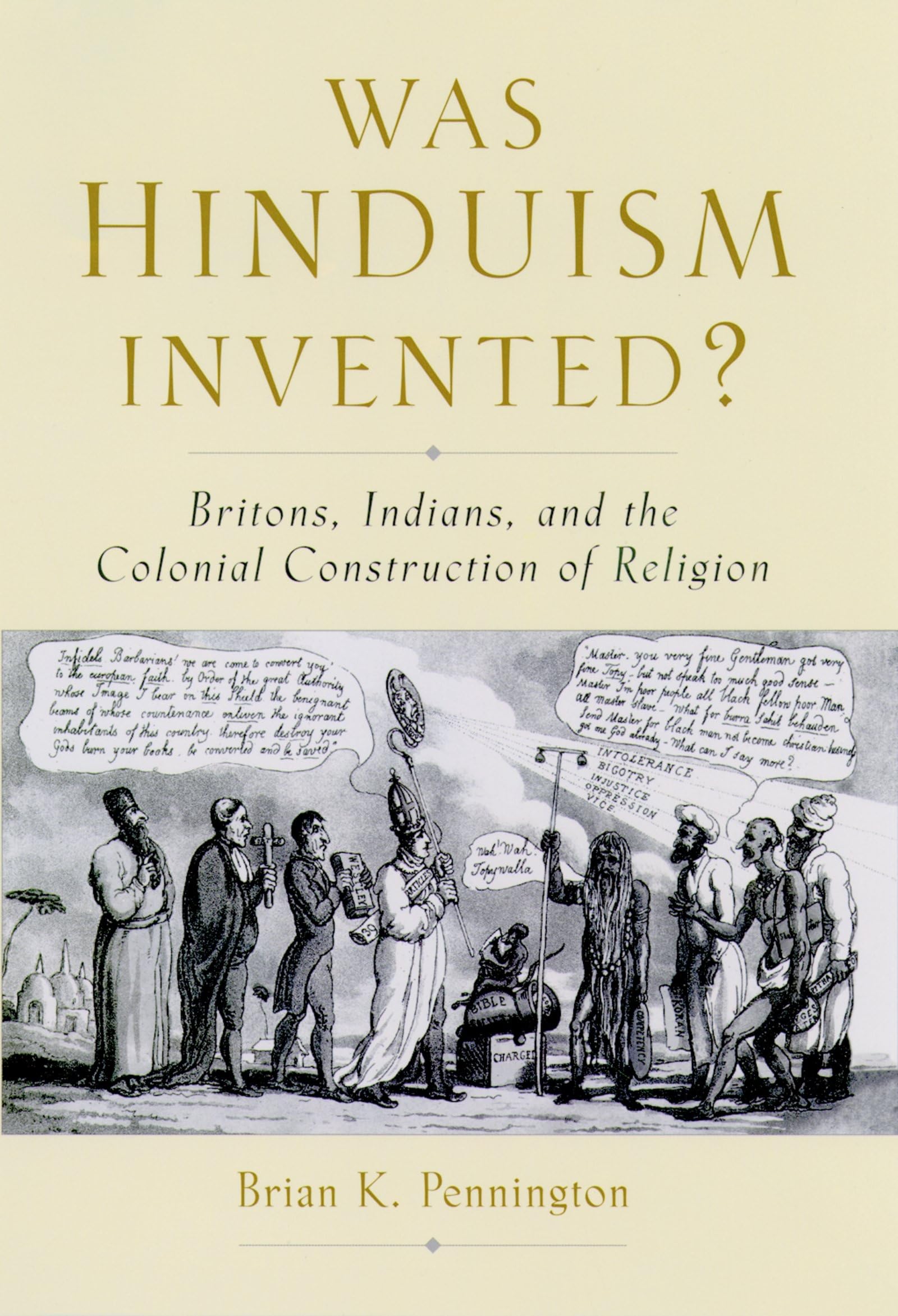
Drawing On A Large Body Of Previously Untapped Literature, Including Documents From The Church Missionary Society And Bengali Newspapers, Brian Pennington Offers A Fascinating Portrait Of The Process By Which 'Hinduism' Came Into Being. He Argues Against The Common Idea That The Modern Construction Of Religion In Colonial India Was Simply A Fabrication Of Western Orientalists And Missionaries. Rather, He Says, It Involved The Active Agency And Engagement Of Indian Authors As Well, Who Interacted, Argued, And Responded To British Authors Over Key Religious Issues Such As Imageworship, Sati, Tolerance, And Conversion.
⚠️ WARNING (California Proposition 65):
This product may contain chemicals known to the State of California to cause cancer, birth defects, or other reproductive harm.
For more information, please visit www.P65Warnings.ca.gov.
- Q: What is the binding type of this book? A: The binding type is hardcover. This offers durability and a premium feel, making it suitable for extensive reading.
- Q: How many pages does this book have? A: This book has two hundred sixty pages. It provides a comprehensive exploration of Hinduism's construction during colonial times.
- Q: What are the dimensions of this book? A: The dimensions are nine point three seven inches by six point three eight inches by zero point eight seven inches. These measurements make it a convenient size for reading.
- Q: Who is the author of this book? A: The author is Brian K. Pennington. He is known for his research on religion and colonialism, particularly in the context of Hinduism.
- Q: What topics does this book cover? A: This book covers the construction of Hinduism during colonial times. It discusses themes like image-worship, sati, tolerance, and conversion.
- Q: What is the target audience for this book? A: The target audience includes scholars and general readers interested in religion and colonial history. It is suitable for anyone looking to understand Hinduism's evolution.
- Q: How should I store this book? A: Store this book in a cool, dry place to maintain its condition. Avoid direct sunlight to prevent fading of the cover and pages.
- Q: Can I read this book if I'm not familiar with Hinduism? A: Yes, you can read this book without prior knowledge of Hinduism. It provides necessary context and explanations for readers of all backgrounds.
- Q: Is this book suitable for educational use? A: Yes, this book is suitable for educational use. It offers valuable insights for courses on religion, history, and cultural studies.
- Q: How do I care for this hardcover book? A: To care for this hardcover book, handle it gently and keep it on a shelf upright. Avoid placing heavy items on top of it to prevent damage.
- Q: What if the book arrives damaged? A: If the book arrives damaged, you should contact the seller for a return or exchange. Most retailers have customer service policies to address such issues.
- Q: Is there a warranty on this book? A: No, there is typically no warranty on books. However, check the retailer's return policy for any potential guarantees.
- Q: Are there any additional resources referenced in this book? A: Yes, the book references a variety of sources, including documents from the Church Missionary Society and Bengali newspapers. This enriches the narrative and provides deeper insights.
- Q: What is the main argument presented in this book? A: The main argument is that the modern construction of Hinduism involved both Indian authors and Western influences. It challenges the notion that it was solely a Western fabrication.
- Q: Is this book part of a series or a standalone work? A: This book is a standalone work. It focuses specifically on the colonial construction of Hinduism without being part of a series.