
Title
Waterlogged Wealth: Why Waste the World's Wet Places,Used
Sold by Ergodebooks, an authorized reseller.
Returns accepted within 30 days | support@ergodebooks.com
Shipping Information
- Free Standard Shipping — United States only
- Processing Time: 3–5 business days
- Estimated Delivery: 6–10 business days after dispatch
- Double-boxed, fully insured & discreetly packaged
- Tracking number sent via email once dispatched
Returns & Refund
Returns accepted within 30 days of delivery.
Damaged or Defective Item
Free return shipping + replacement or full refund
Wrong Item Received
Free return shipping + replacement or full refund
Change of Mind
Return shipping at customer's expense · 25% restocking fee applies
Payment Option

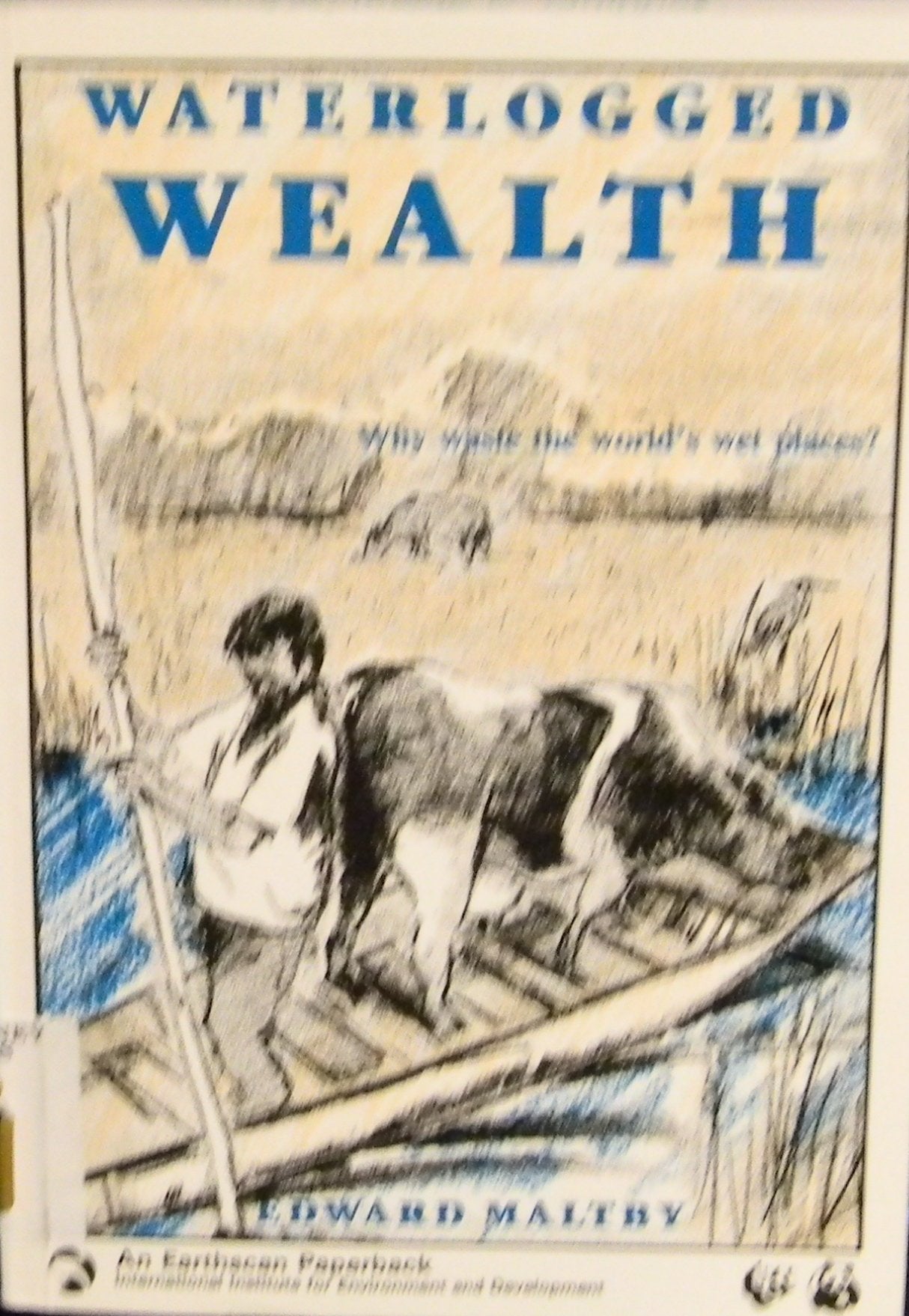
Don't drain the swamp!Man's traditional response to swamps, marshes and bogs has been to drain them.But wetlands are not wastelands. Coastal marshes are among the world's most productive ecosystems. They make many commercial fisheries possible and protect coasts from floods and storm surges. Wetlands are pollution filters, water reservoirs. They are among the last wild places on earth, offering homes to endangered plants, birds and animals.Attitudes to wetlands are changing, but not fast enough. As scientists are documenting the wealth in wet places, governments and developers are draining them, damming them, logging them and building resort hotels where ', they once were. Destruction is usually a poor tradeoff: wellmanaged wetlands in Louisiana are producing fortunes in seafood and timber.Waterlogged Wealth examines the value of swamps and marshes, as well as the threats against them. In doing so it takes the reader to some of the world's most bizarre landscapes: the 'inland delta' of the Niger River in droughtstricken Mali; the wildliferich Okavango swamps of Botswana; the waterlogged Sunderban forests of India and Bangladesh, where tigers eat fish and crabs. Civilisation began around wetlands; today's civilisation has good reason to leave them wet and wild.
⚠️ WARNING (California Proposition 65):
This product may contain chemicals known to the State of California to cause cancer, birth defects, or other reproductive harm.
For more information, please visit www.P65Warnings.ca.gov.