
Title
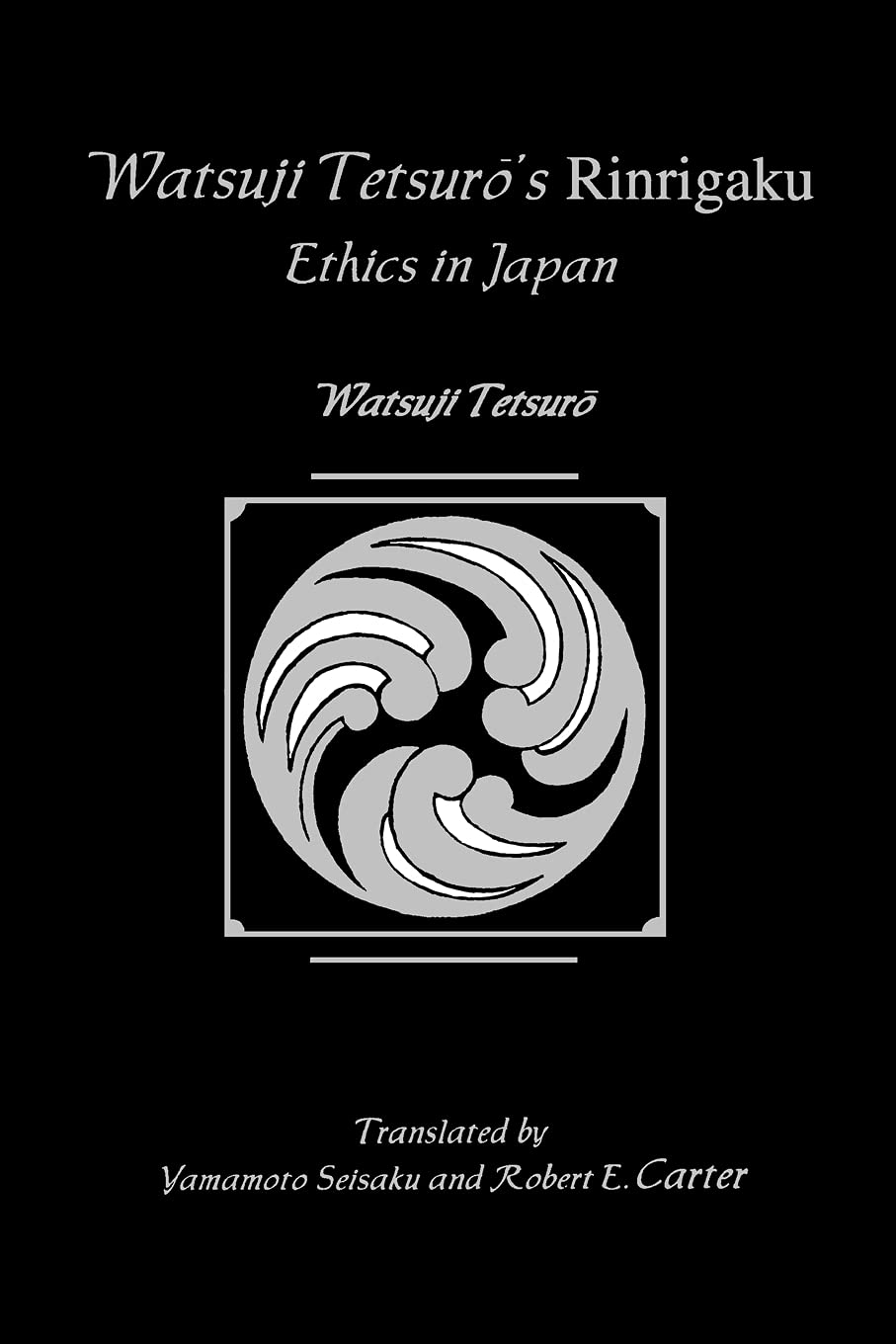
Watsuji Tetsuro's Rinrigaku: Ethics in Japan (Suny Series in Modern Japanese Philosophy),New
Sold by Ergodebooks, an authorized reseller.
Returns accepted within 30 days | support@ergodebooks.com
Shipping Information
- Free Standard Shipping — United States only
- Processing Time: 3–5 business days
- Estimated Delivery: 6–10 business days after dispatch
- Double-boxed, fully insured & discreetly packaged
- Tracking number sent via email once dispatched
Returns & Refund
Returns accepted within 30 days of delivery.
Damaged or Defective Item
Free return shipping + replacement or full refund
Wrong Item Received
Free return shipping + replacement or full refund
Change of Mind
Return shipping at customer's expense · 25% restocking fee applies
Payment Option

Watsuji's Rinrigaku (literally, the principles that allow us to live in friendly community) has been regarded as the definitive study of Japanese ethics for half a century.Robert Carter has produced a wonderfully clear and lucid translation of Watsuji Tetsuro's masterpiece, Rinrigaku. Long known by comparative philosophers as a centerpiece of modern Japanese philosophical tradition, Carter has now made this work accessible to Western students and scholars. For anyone who is a serious student of Heidegger, this work is a must read!David Edward Shaner, Furman UniversityWatsuji Tetsuro's Rinrigaku (literally, the principles that allow us to live in friendly community) has been regarded as the definitive study of Japanese ethics for half a century. In Japan, ethics is the study of human being or ningen. As an ethical being, one negates individuality by abandoning one's independence from others. This selflessness is the true meaning of goodness.Here we have a major treatise by a sophisticated thinker who selfconsciously wished to provide a distinctly 'Asian' alternative to Western ethical systemssystems he and others saw as conceptually flawed and culturally ethnocentric. Longsuppressed questions about the assumed universalizability of some of the West's most privileged moral modes are posed in and through this work. The study both of comparative ethics and of comparative societies will necessarily be much enriched and enlivened by it.From the Foreword by William R. LaFleur
⚠️ WARNING (California Proposition 65):
This product may contain chemicals known to the State of California to cause cancer, birth defects, or other reproductive harm.
For more information, please visit www.P65Warnings.ca.gov.
- Q: What is the main focus of Watsujiō Tetsur's Rinrigaku? A: The main focus of Watsujiō Tetsur's Rinrigaku is the study of Japanese ethics, emphasizing the importance of community and selflessness as essential aspects of goodness.
- Q: How many pages does this book have? A: This book contains a total of 393 pages.
- Q: What is the condition of the book? A: The book is listed as 'New'.
- Q: Who is the author of Rinrigaku? A: The author of Rinrigaku is Tetsuro Watsuji.
- Q: When was this edition of Rinrigaku published? A: This edition of Rinrigaku was published on October 3, 1996.
- Q: What type of binding does this book have? A: This book is available in paperback binding.
- Q: Is this book suitable for beginners in ethics? A: Yes, this book provides foundational insights into Japanese ethics, making it suitable for both beginners and those seeking a deeper understanding.
- Q: What are the key themes discussed in Rinrigaku? A: Key themes in Rinrigaku include community, individuality, and the ethical implications of human relationships.
- Q: Is there an edition of Rinrigaku that includes additional resources? A: The First Edition does not mention any additional resources, focusing on the core text of Japanese ethics.
- Q: What makes Rinrigaku a definitive study of Japanese ethics? A: Rinrigaku is considered a definitive study of Japanese ethics due to its comprehensive exploration of ethical principles and their application in community life over the past fifty years.