
Title
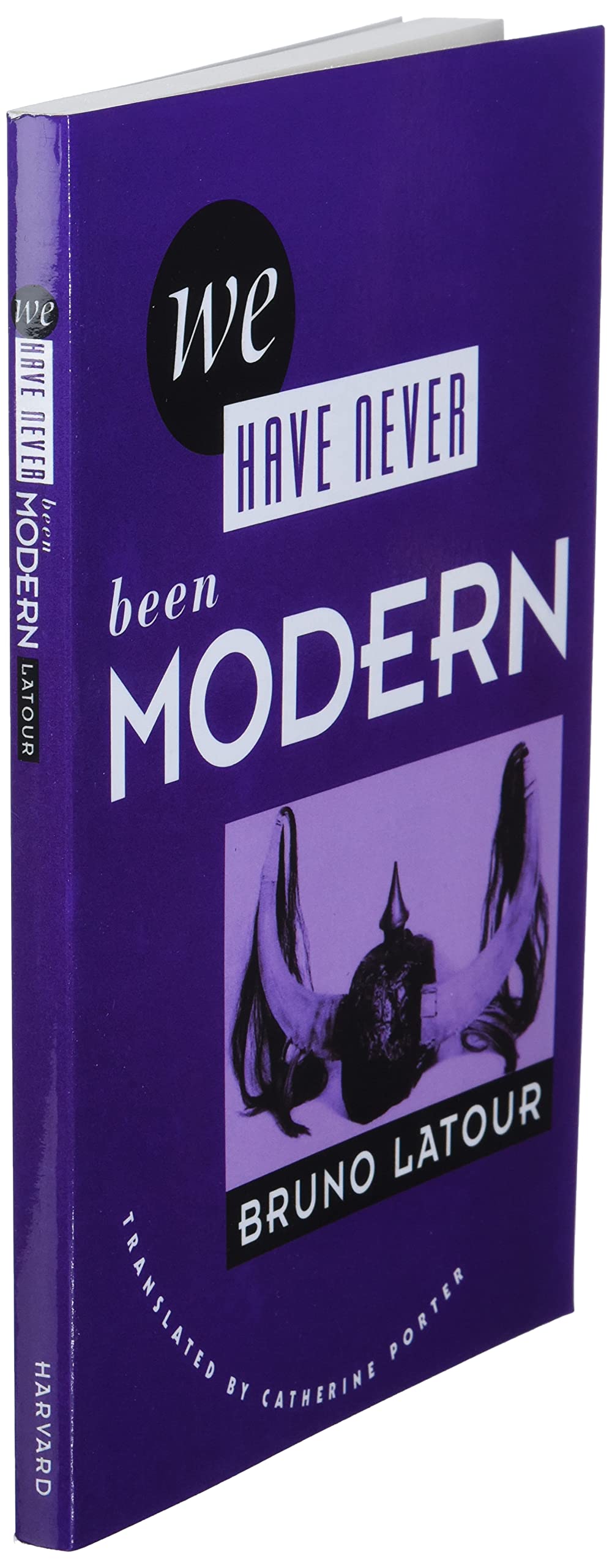

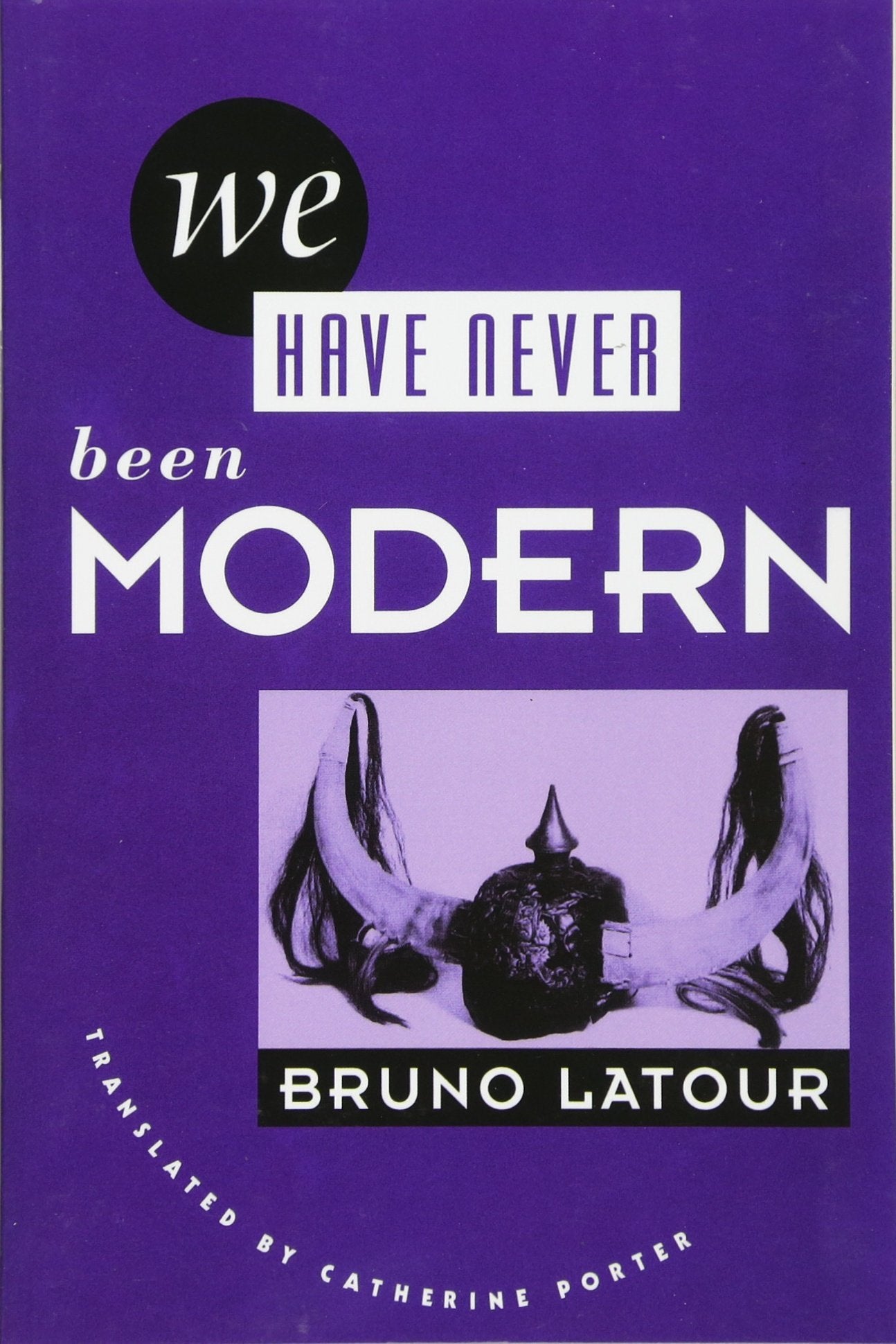
We Have Never Been Modern,Used
Sold by Ergodebooks, an authorized reseller.
Returns accepted within 30 days | support@ergodebooks.com
Shipping Information
- Free Standard Shipping — United States only
- Processing Time: 3–5 business days
- Estimated Delivery: 6–10 business days after dispatch
- Double-boxed, fully insured & discreetly packaged
- Tracking number sent via email once dispatched
Returns & Refund
Returns accepted within 30 days of delivery.
Damaged or Defective Item
Free return shipping + replacement or full refund
Wrong Item Received
Free return shipping + replacement or full refund
Change of Mind
Return shipping at customer's expense · 25% restocking fee applies
Payment Option

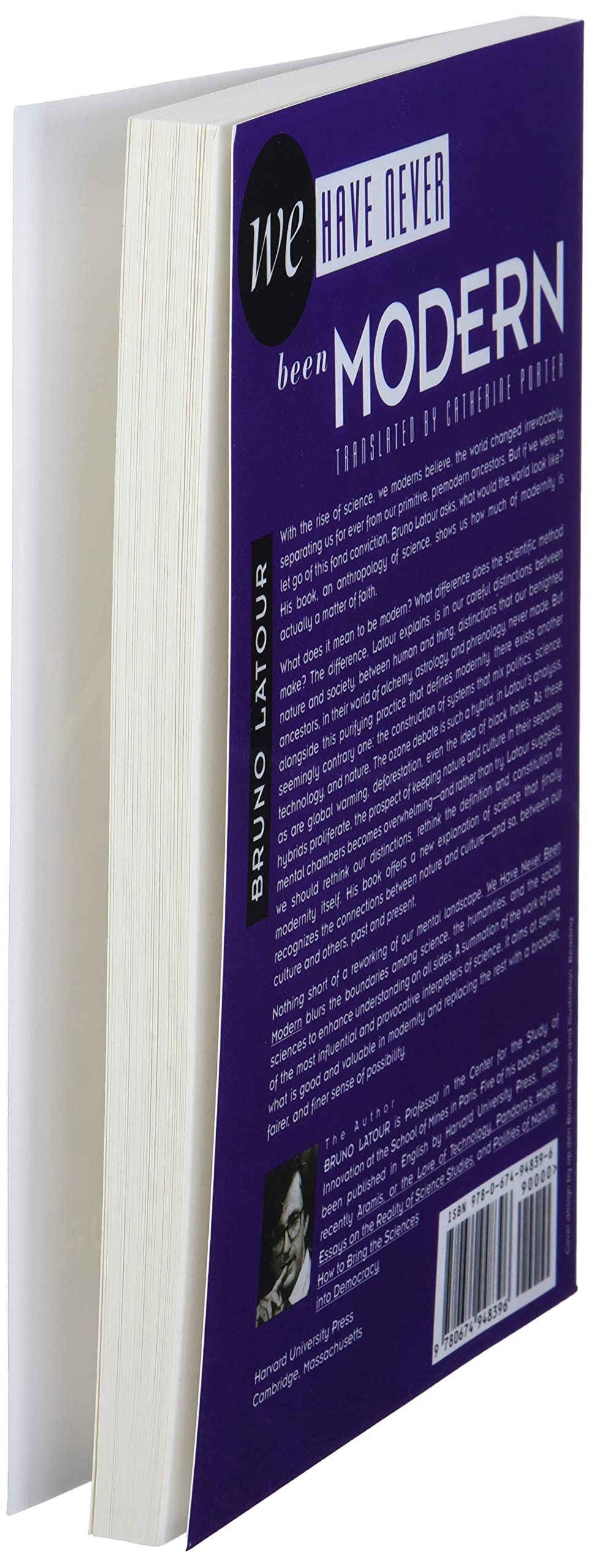
With the rise of science, we moderns believe, the world changed irrevocably, separating us forever from our primitive, premodern ancestors. But if we were to let go of this fond conviction, Bruno Latour asks, what would the world look like? His book, an anthropology of science, shows us how much of modernity is actually a matter of faith.What does it mean to be modern? What difference does the scientific method make? The difference, Latour explains, is in our careful distinctions between nature and society, between human and thing, distinctions that our benighted ancestors, in their world of alchemy, astrology, and phrenology, never made. But alongside this purifying practice that defines modernity, there exists another seemingly contrary one: the construction of systems that mix politics, science, technology, and nature. The ozone debate is such a hybrid, in Latours analysis, as are global warming, deforestation, even the idea of black holes. As these hybrids proliferate, the prospect of keeping nature and culture in their separate mental chambers becomes overwhelmingand rather than try, Latour suggests, we should rethink our distinctions, rethink the definition and constitution of modernity itself. His book offers a new explanation of science that finally recognizes the connections between nature and cultureand so, between our culture and others, past and present.Nothing short of a reworking of our mental landscape, We Have Never Been Modern blurs the boundaries among science, the humanities, and the social sciences to enhance understanding on all sides. A summation of the work of one of the most influential and provocative interpreters of science, it aims at saving what is good and valuable in modernity and replacing the rest with a broader, fairer, and finer sense of possibility.
⚠️ WARNING (California Proposition 65):
This product may contain chemicals known to the State of California to cause cancer, birth defects, or other reproductive harm.
For more information, please visit www.P65Warnings.ca.gov.
- Q: How many pages does 'We Have Never Been Modern' have? A: This book has one hundred sixty-eight pages. It's a paperback edition published by Harvard University Press.
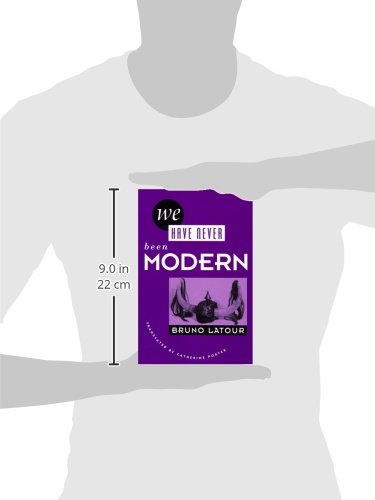
- Q: What are the dimensions of 'We Have Never Been Modern'? A: The book measures six inches in length, zero point five one inches in width, and nine point zero two inches in height.
- Q: Who is the author of 'We Have Never Been Modern'? A: The author is Bruno Latour, a prominent figure in the anthropology of science.
- Q: What type of binding does 'We Have Never Been Modern' use? A: This book is bound in paperback. This makes it lightweight and easy to handle.
- Q: What is the main topic of 'We Have Never Been Modern'? A: The book explores the relationship between modernity and science. It challenges the notion that modernity is a clear separation from premodern beliefs.
- Q: Is 'We Have Never Been Modern' suitable for academic study? A: Yes, it is suitable for academic study. The book offers critical insights into the intersections of science, culture, and society.
- Q: What themes are explored in 'We Have Never Been Modern'? A: The themes include the interplay between nature and culture, modernity versus premodernity, and the role of science in shaping societal beliefs.
- Q: What reading level is appropriate for 'We Have Never Been Modern'? A: The book is appropriate for advanced readers, including college students and scholars in social sciences.
- Q: How should I store 'We Have Never Been Modern'? A: Store the book in a cool, dry place. Keep it upright to maintain its shape and condition.
- Q: Can 'We Have Never Been Modern' be read by beginners? A: While beginners can read it, prior knowledge of sociology and anthropology is recommended for better understanding.
- Q: How do I care for 'We Have Never Been Modern'? A: To care for the book, avoid exposure to moisture and direct sunlight. This will help preserve its pages and binding.
- Q: What is the return policy for 'We Have Never Been Modern'? A: The return policy typically allows returns within thirty days of purchase. Always check the retailer's specific policy for details.
- Q: What if 'We Have Never Been Modern' arrives damaged? A: If the book arrives damaged, contact the seller immediately for a replacement or refund.
- Q: Is 'We Have Never Been Modern' a good choice for book clubs? A: Yes, it is a great choice for book clubs. The provocative themes encourage discussion and debate among members.
- Q: How does 'We Have Never Been Modern' compare to other books on modernity? A: This book offers a unique perspective by blending anthropology with science studies, unlike many traditional texts on modernity.
- Q: What kind of insights can I gain from 'We Have Never Been Modern'? A: Readers can gain insights into how modernity shapes our understanding of science and cultural practices across history.