
Title
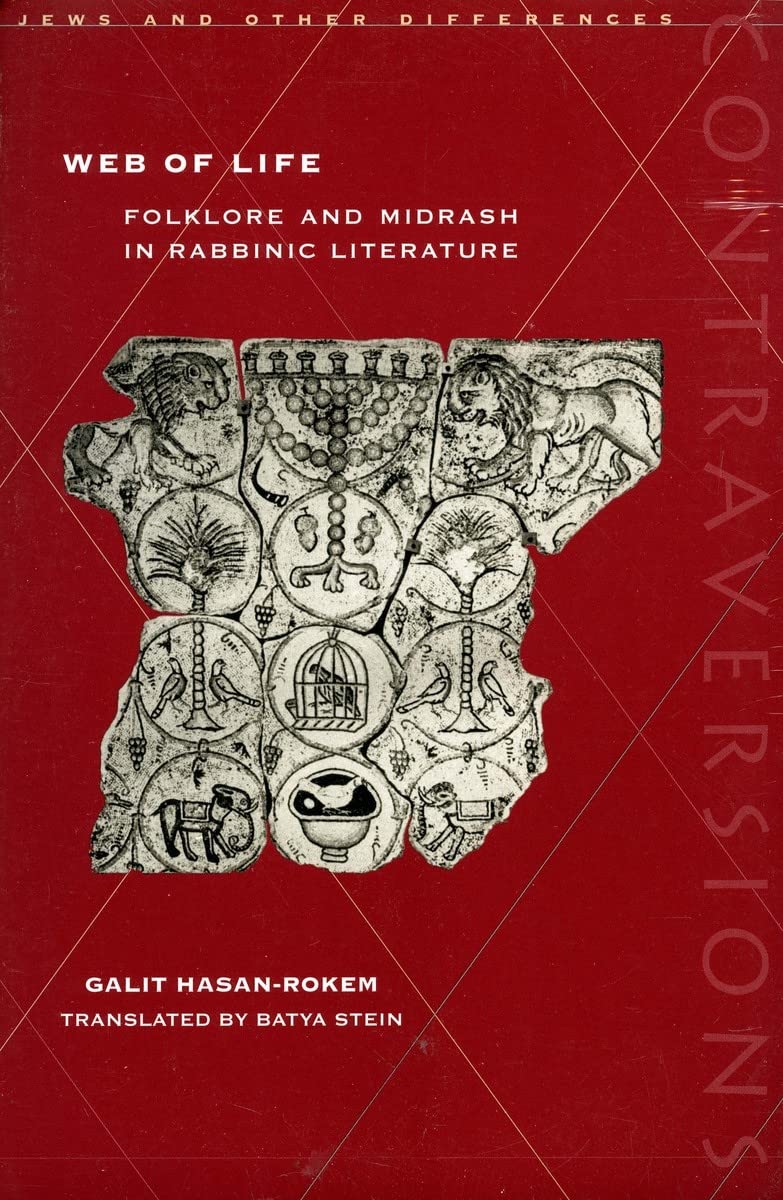
Web Of Life: Folklore And Midrash In Rabbinic Literature (Contraversions: Jews And Other Differences),New
Sold by Ergodebooks, an authorized reseller.
Returns accepted within 30 days | support@ergodebooks.com
Shipping Information
- Free Standard Shipping — United States only
- Processing Time: 3–5 business days
- Estimated Delivery: 6–10 business days after dispatch
- Double-boxed, fully insured & discreetly packaged
- Tracking number sent via email once dispatched
Returns & Refund
Returns accepted within 30 days of delivery.
Damaged or Defective Item
Free return shipping + replacement or full refund
Wrong Item Received
Free return shipping + replacement or full refund
Change of Mind
Return shipping at customer's expense · 25% restocking fee applies
Payment Option

Web of Life weaves its suggestive interpretation of Jewish culture in the Palestine of late antiquity on the warp of a singular, breathtakingly tragic, and sublime rabbinic text, Lamentations Rabbah. The textual analyses that form the core of the book are informed by a range of theoretical paradigms rarely brought to bear on rabbinic literature: structural analysis of mythologies and folktales, performative approaches to textual production, feminist theory, psychoanalytical analysis of culture, cultural criticism, and folk narrative genre analysis. The concept of context as the hermeneutic basis for literary interpretation reactivates the written text and subverts the hierarchical structures with which it has been traditionally identified. This book reinterprets rabbinic culture as an arena of multiple dialogues that traverse traditional concepts of identity regarding gender, nation, religion, and territory. The author's approach is permeated by the idea that scholarly writing about ancient texts is invigorated by an existential hermeneutic rooted in the universality of human experience. She thus resorts to personal experience as an idiom of communication between author and reader and between human beings of our time and of the past. This research acknowledges the overlap of poetic and analytical language as well as the language of analysis and everyday life. In eliciting folk narrative discourses inside the rabbinic text, the book challenges traditional views about the social basis that engendered these texts. It suggests the subversive potential of the constitutive texts of Jewish culture from late antiquity to the present by pointing out the inherent multivocality of the text, adding to the conventionally acknowledged synagogue and academy the home, the marketplace, and other private and public socializing institutions.
⚠️ WARNING (California Proposition 65):
This product may contain chemicals known to the State of California to cause cancer, birth defects, or other reproductive harm.
For more information, please visit www.P65Warnings.ca.gov.