
Title
Weeds Of The Midwestern United States And Central Canada (Wormsloe Foundation Nature Books),Used
Sold by Ergodebooks, an authorized reseller.
Returns accepted within 30 days | support@ergodebooks.com
Shipping Information
- Free Standard Shipping — United States only
- Processing Time: 3–5 business days
- Estimated Delivery: 6–10 business days after dispatch
- Double-boxed, fully insured & discreetly packaged
- Tracking number sent via email once dispatched
Returns & Refund
Returns accepted within 30 days of delivery.
Damaged or Defective Item
Free return shipping + replacement or full refund
Wrong Item Received
Free return shipping + replacement or full refund
Change of Mind
Return shipping at customer's expense · 25% restocking fee applies
Payment Option

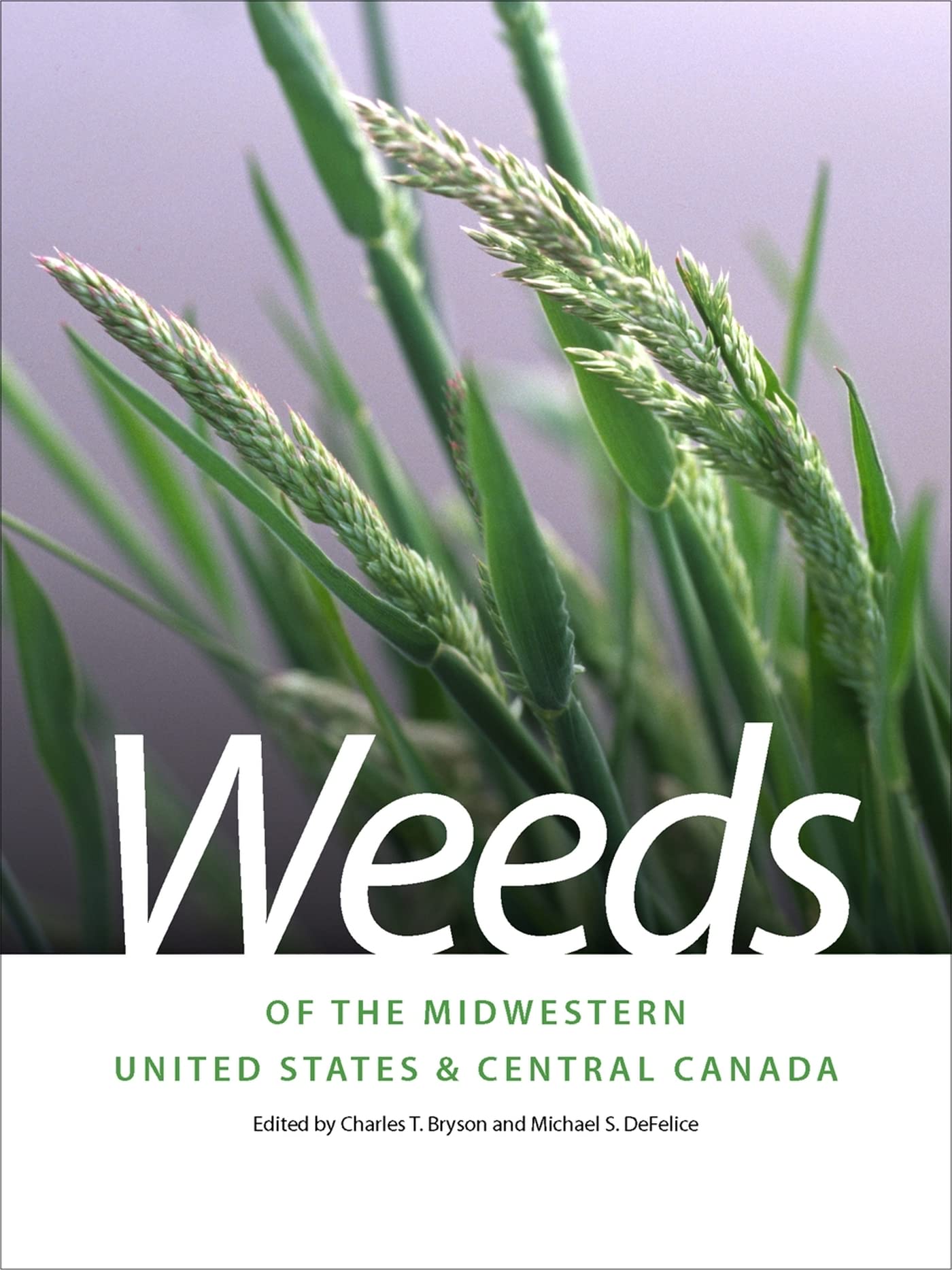
Weeds Threaten The Safe, Efficient, And Sustainable Production Of Food, Feed, Fiber, And Biofuel Throughout The World. Featuring More Than Fourteen Hundred Fullcolor Photographs, This Handy Guide Provides Essential Information On More Than 350 Of The Most Troublesome Weedy And Invasive Plants Found In The Midwestern United States And Central Canada.Drawing On The Expertise Of More Than Forty Weed Scientists And Botanists, The Guide Identifies Each Plant At Various Stages Of Its Life And Offers Useful Details About Its Origin, Habitat, Morphology, Biology, Distribution, And Toxic Properties. The Book Also Includes Illustrations Of The Most Common Characteristics Of Plants And Terms Used To Describe Them, A Key To Plant Families Included In The Book, A Glossary Of Frequently Used Terms, A Bibliography, And Indexes Of Scientific And Common Plant Names.This Is An Essential Guide For Agronomists, Crop And Soil Scientists, Horticulturists, Botanists, Cooperative Extension Service Agents, Farmers, Gardeners, Students In Agriculture And Biology, Lawn Care Professionals, Green Industry Professionals, Nursery Owners, Government Quarantine Workers, And Land Preservationists.Each Species Account Includes:Up To Four Fullcolor Photographs Showing Seed, Seedling, Plant, Flower, And Other Unique Plant Features Distribution Map For Grasses, A Line Drawing Of The Collar, Where The Leaf Joins The Stem, An Important Identifying Characteristic Scientific Names, Common Names, And Local Synonyms Of Common Names Vegetative Characteristics For Seedlings And Leaves Special Identifying Characteristics Reproductive Characteristics Toxic Propertiesstates And Provinces Covered:Illinois Indiana Iowa Kansas (Northeastern) Kentucky (Northern) Manitoba (Southern Half) Michigan Minnesota Missouri (Upper Half) Nebraska (Eastern) North Dakota Ohio Ontario (Southern Half) Quebec (Southwestern Corner) Saskatchewan (Southeastern) South Dakota (Eastern Half) Wisconsin
⚠️ WARNING (California Proposition 65):
This product may contain chemicals known to the State of California to cause cancer, birth defects, or other reproductive harm.
For more information, please visit www.P65Warnings.ca.gov.
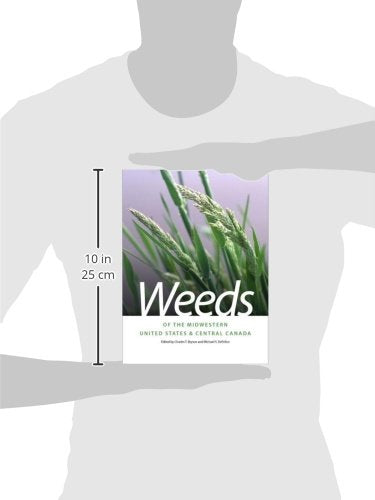
- Q: What is the size of the book? A: The book measures seven and a half inches in length, one point one inches in width, and ten inches in height. It contains four hundred and forty pages.
- Q: What type of binding does this book have? A: This book is paperback bound. This makes it lightweight and flexible, ideal for both reading and referencing.
- Q: Who is the author of this book? A: The author of this book is Charles T. Bryson. He is recognized for his expertise in botany and weed science.
- Q: How do I use this guide? A: You can use this guide as a reference for identifying and understanding various weeds. It is suitable for farmers, gardeners, and students.
- Q: Is this book suitable for beginners? A: Yes, this book is suitable for beginners. It provides clear identification tips and essential information about over three hundred fifty plants.
- Q: Can I use this guide for academic purposes? A: Yes, this guide is useful for academic purposes. It offers detailed scientific information beneficial for students in agriculture and biology.
- Q: How should I store this book? A: Store this book in a cool, dry place, away from direct sunlight. This will help preserve the quality of the pages and cover.
- Q: Is this book safe for children? A: Yes, this book is safe for children. However, it is recommended for ages twelve and up due to the complexity of the material.
- Q: How do I keep this book in good condition? A: To keep this book in good condition, avoid bending the spine and keep it away from moisture. Regularly check for any signs of wear.
- Q: What if the book arrives damaged? A: If the book arrives damaged, you should contact the seller for a return or exchange. Most sellers have a return policy in place.
- Q: What kind of photographs are included in the book? A: The book features over fourteen hundred full-color photographs. These images showcase various stages of the plants, helping with identification.
- Q: Is there a glossary in this book? A: Yes, this book includes a glossary of frequently used terms. This is helpful for readers unfamiliar with botanical language.
- Q: Are there maps included in the book? A: Yes, each species account includes a distribution map. This shows where each plant is commonly found across regions.
- Q: What topics does this book cover? A: This book covers topics related to weedy and invasive plants, including their origins, habitats, and toxic properties. It is comprehensive for weed management.
- Q: Is there a bibliography included? A: Yes, the book includes a bibliography. This provides references for further reading and research related to the subject matter.