
Title
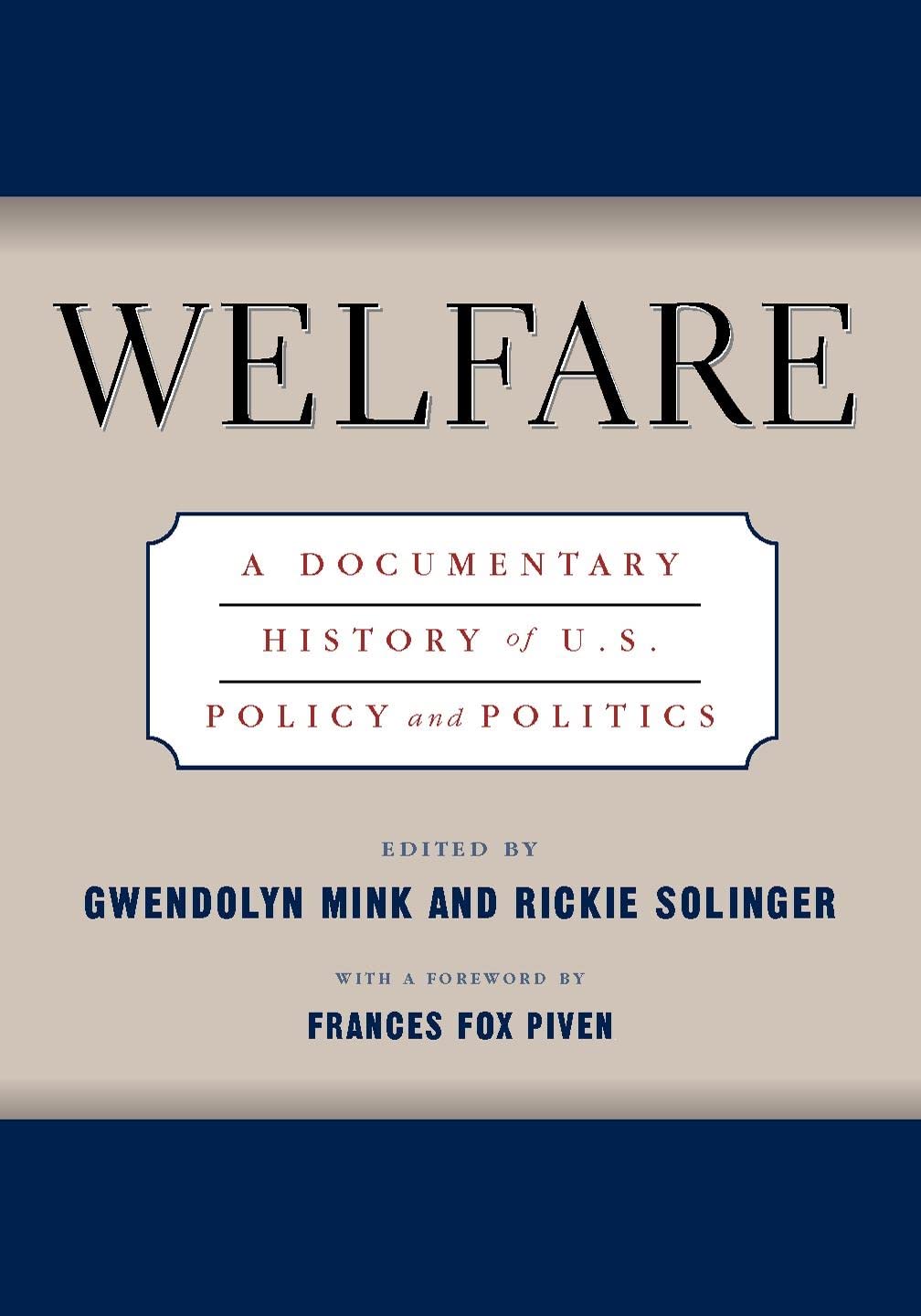
Welfare: A Documentary History Of U.S. Policy And Politics,Used
Sold by Ergodebooks, an authorized reseller.
Returns accepted within 30 days | support@ergodebooks.com
Shipping Information
- Free Standard Shipping — United States only
- Processing Time: 3–5 business days
- Estimated Delivery: 6–10 business days after dispatch
- Double-boxed, fully insured & discreetly packaged
- Tracking number sent via email once dispatched
Returns & Refund
Returns accepted within 30 days of delivery.
Damaged or Defective Item
Free return shipping + replacement or full refund
Wrong Item Received
Free return shipping + replacement or full refund
Change of Mind
Return shipping at customer's expense · 25% restocking fee applies
Payment Option

Federal welfare policy has been a political and cultural preoccupation in the United States for nearly seven decades. Debates about who poor people are, how they got that way, and what the government should do about poverty were particularly bitter and misleading at the end of the twentieth century. These public discussions left most Americans with far more attitude than information about poverty, the poor, and poverty policy in the United States.In response, Gwendolyn Mink and Rickie Solinger compiled the first documentary history of welfare in America, from its origins through the present. Welfare: A Documentary History of U.S. Policy and Politics provides historical context for understanding recent policy developments, as it traces public opinion, recipients experiences, and policy continuities and innovations over time. The documents collected range across more than 100 years, from government documents and proclamations of presidents throughout the 20th century, to accounts of activist and grass roots organizations, newspaper reports and editorials, political cartoons, posters and more.They enable readers to go straight to the source to find out how public figures racialized welfare in the minds of white Americans, to explore the origins of the claim that poor women have babies in order to collect welfare, and to trace how that notion has been perpetuated and contested. The documents also illustrate how policymakers in different eras have invoked and politicized the idea of dependency, as well as how ideas about women's dependency have followed changing characterizations of poor women as workers and as mothers.Welfare provides a picture of the governments evolving ideas about poverty and provision, along side powerful examples of the voices too often eclipsed in the public squarewelfare recipients and their advocates, speaking about mothering, poverty, and human rights.
⚠️ WARNING (California Proposition 65):
This product may contain chemicals known to the State of California to cause cancer, birth defects, or other reproductive harm.
For more information, please visit www.P65Warnings.ca.gov.