
Title
Wesleyan Communities and the World Beyond Christianity,Used
Sold by Ergodebooks, an authorized reseller.
Returns accepted within 30 days | support@ergodebooks.com
Shipping Information
- Free Standard Shipping — United States only
- Processing Time: 3–5 business days
- Estimated Delivery: 6–10 business days after dispatch
- Double-boxed, fully insured & discreetly packaged
- Tracking number sent via email once dispatched
Returns & Refund
Returns accepted within 30 days of delivery.
Damaged or Defective Item
Free return shipping + replacement or full refund
Wrong Item Received
Free return shipping + replacement or full refund
Change of Mind
Return shipping at customer's expense · 25% restocking fee applies
Payment Option

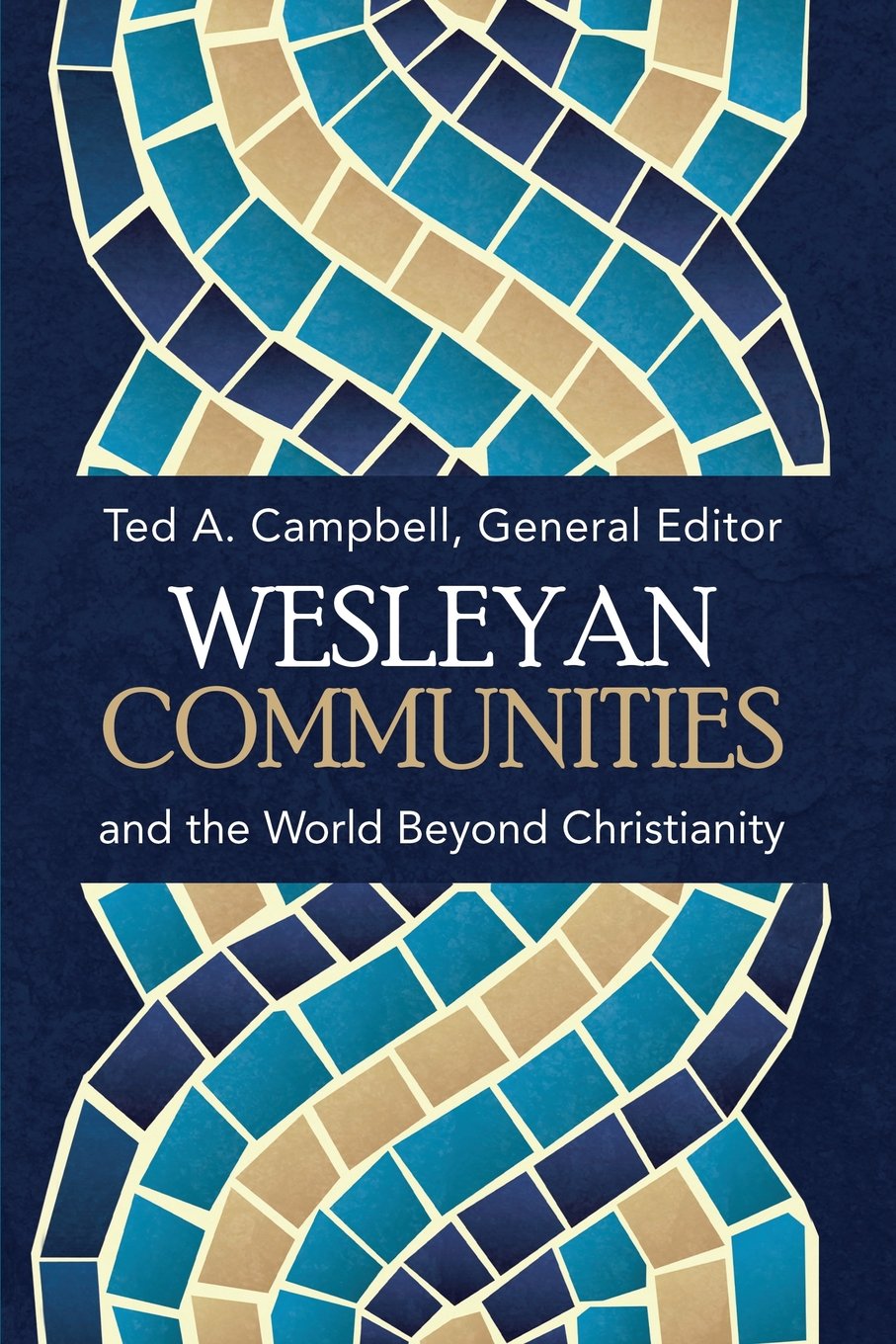
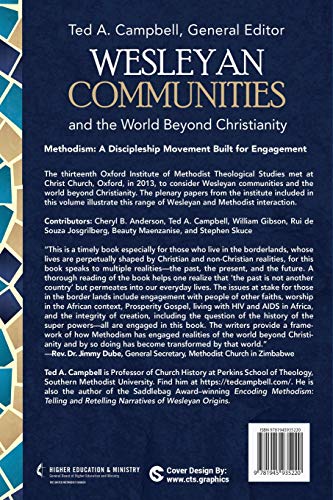
Methodism is a discipleship movement built for engagement. Contributors: Cheryl B. Anderson, Ted A. Campbell, William Gibson, Rui de Souza Josgrilberg, Beauty Maenzanise, and Stephen SkuceWesleyan and Methodist communities have sensed a calling not only to Christian renewal within their own circles but also to engage with and to serve the broader world around them. Even in the eighteenth century, this meant engagement with nonChristian peoples, as illustrated in John Wesley's interviews with Native American people in Georgia, but it also meant engagement with persons and institutions that had no explicit connection to Christianity or to any other traditional religious traditions. John Wesley's Primitive Physick serves as an illustration of his intention to "do good" beyond the confines of explicitly Christian communities.The thirteenth Oxford Institute of Methodist Theological Studies met at Christ Church, Oxford, in 2013, to consider "Wesleyan Communities and the World Beyond Christianity." The leaders of the Institute were clear from the beginning that by "the world beyond Christianity," we did not mean only our engagement with nonChristian peoples, but also our engagement with governments, with nongovernmental organizations, and other ways in which Wesleyan communities have interacted with individuals and communities who do not explicitly profess Christian faith. The plenary papers from the Institute included in this volume illustrate this range of Wesleyan and Methodist interaction with worlds beyond Christianity.
⚠️ WARNING (California Proposition 65):
This product may contain chemicals known to the State of California to cause cancer, birth defects, or other reproductive harm.
For more information, please visit www.P65Warnings.ca.gov.