
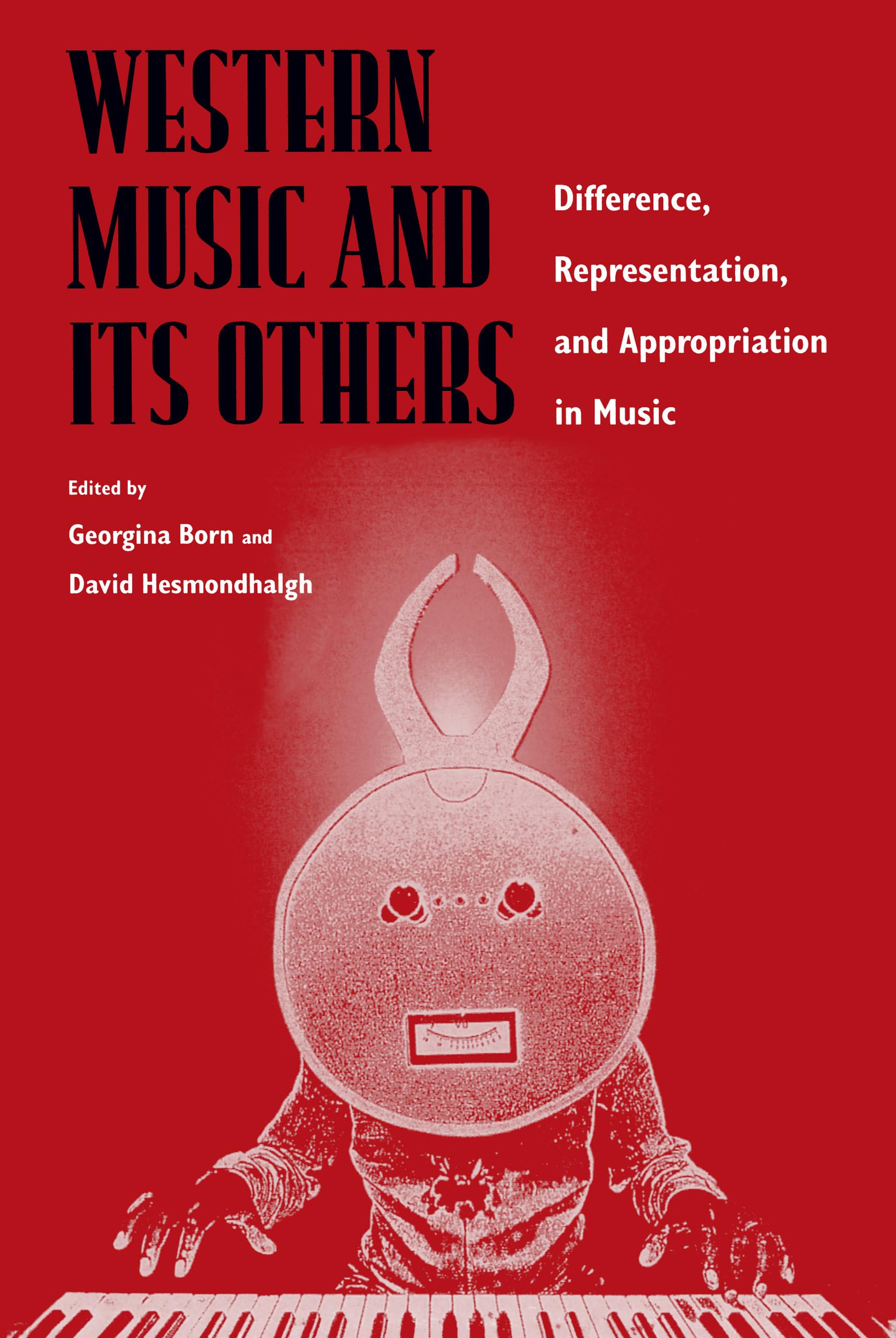
Title
Western Music and Its Others: Difference, Representation, and Appropriation in Music,Used
Sold by Ergodebooks, an authorized reseller.
Returns accepted within 30 days | support@ergodebooks.com
Shipping Information
- Free Standard Shipping — United States only
- Processing Time: 3–5 business days
- Estimated Delivery: 6–10 business days after dispatch
- Double-boxed, fully insured & discreetly packaged
- Tracking number sent via email once dispatched
Returns & Refund
Returns accepted within 30 days of delivery.
Damaged or Defective Item
Free return shipping + replacement or full refund
Wrong Item Received
Free return shipping + replacement or full refund
Change of Mind
Return shipping at customer's expense · 25% restocking fee applies
Payment Option

This innovative collection of articles offers a major comprehensive overview of new developments in cultural theory as applied to Western music. Addressing a broad range of primarily twentiethcentury music, the authors examine two related phenomena: musical borrowings or appropriations, and how music has been used to construct, evoke, or represent difference of a musical or a sociocultural kind.The essays scrutinize a diverse body of music and discuss a range of significant examples, among them musical modernism's idealizing or ambivalent relations with popular, ethnic, and nonWestern music; exoticism and orientalism in the experimental music tradition; the representation of others in Hollywood film music; music's role in the formation and contestation of collective identities, with reference to Jewish and Turkish popular music; and issues of representation and difference in jazz, world music, hip hop, and electronic dance music.Written by leading scholars from disciplines including historical musicology, sociology, ethnomusicology, anthropology, popular music studies, and film studies, the essays provide unprecedented insights into how cultural identities and differences are constructed in music.
⚠️ WARNING (California Proposition 65):
This product may contain chemicals known to the State of California to cause cancer, birth defects, or other reproductive harm.
For more information, please visit www.P65Warnings.ca.gov.
- Q: What is the page count of this book? A: This book has four hundred nine pages. It provides a comprehensive overview of cultural theory as applied to Western music.
- Q: What are the dimensions of this book? A: The book measures six inches in length, one inch in width, and nine point zero two inches in height. These dimensions make it suitable for easy handling and reading.
- Q: What is the binding type of this book? A: This book is a paperback. This binding type is often lightweight and flexible for comfortable reading.
- Q: How is this book structured? A: This book is structured as a collection of articles. The essays cover various topics related to Western music and cultural theory.
- Q: Who is the author of this book? A: The book is authored by Georgina Born. She is a leading scholar in ethnomusicology and cultural theory.
- Q: What topics does this book cover? A: The book covers topics like musical borrowings, representation, and sociocultural differences in music. It includes essays on diverse music genres and cultural identities.
- Q: Is this book suitable for beginners in music studies? A: Yes, this book is suitable for beginners. It presents complex ideas in an accessible manner, making it a good starting point.
- Q: What kind of audience would benefit from this book? A: This book is beneficial for scholars and students in musicology, sociology, and cultural studies. It provides extensive insights into music's cultural impact.
- Q: Can this book be used for academic research? A: Yes, this book can be used for academic research. The essays are written by prominent scholars and provide credible insights.
- Q: How should I store this book? A: Store this book in a cool, dry place. Avoid exposure to direct sunlight to prevent fading and damage to the cover.
- Q: Is there a recommended way to clean this book? A: Yes, you can clean this book by gently wiping the cover with a soft, dry cloth. Avoid using water or cleaning solutions.
- Q: What should I do if my copy arrives damaged? A: If your copy arrives damaged, contact customer support for assistance. They can guide you through the return or exchange process.
- Q: Is there a return policy for this book? A: Yes, there is a return policy. You can return the book within a specified timeframe if you are unsatisfied with your purchase.
- Q: What if I lose my book? A: If you lose your book, you will need to purchase a new copy. Consider keeping your receipt or order confirmation for future reference.
- Q: Can this book be used as a reference for cultural studies? A: Yes, this book is a valuable reference for cultural studies. It explores how cultural identities are constructed through music.