
Title
What Is A City?: Rethinking The Urban After Hurricane Katrina,Used
Sold by Ergodebooks, an authorized reseller.
Returns accepted within 30 days | support@ergodebooks.com
Shipping Information
- Free Standard Shipping — United States only
- Processing Time: 3–5 business days
- Estimated Delivery: 6–10 business days after dispatch
- Double-boxed, fully insured & discreetly packaged
- Tracking number sent via email once dispatched
Returns & Refund
Returns accepted within 30 days of delivery.
Damaged or Defective Item
Free return shipping + replacement or full refund
Wrong Item Received
Free return shipping + replacement or full refund
Change of Mind
Return shipping at customer's expense · 25% restocking fee applies
Payment Option

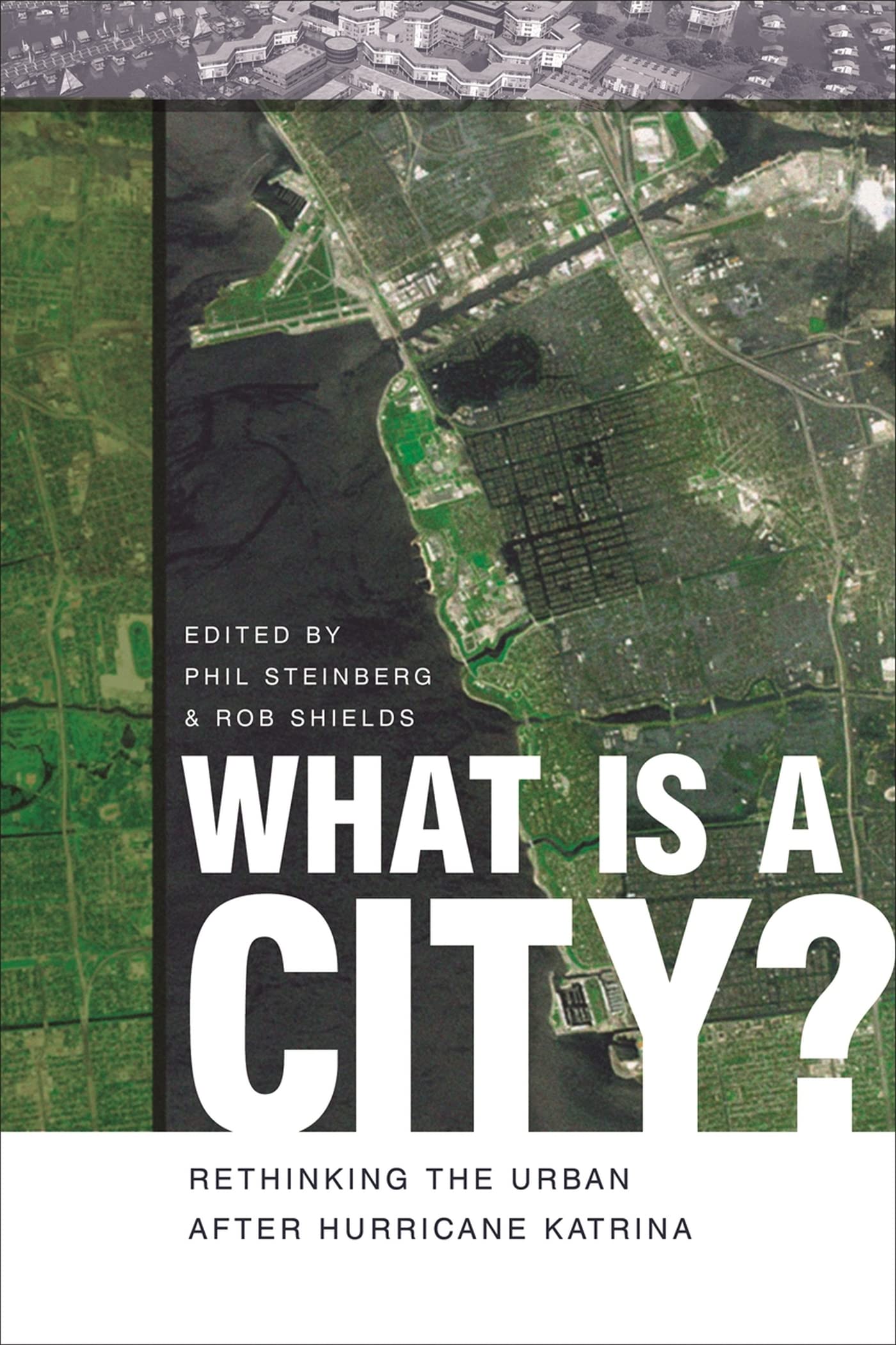
The devastation brought upon New Orleans by Hurricane Katrina and the subsequent levee system failure has forced urban theorists to revisit the fundamental question of urban geography and planning: What is a city? Is it a place of memory embedded in architecture, a location in regional and global networks, or an arena wherein communities form and reproduce themselves?Planners, architects, policymakers, and geographers from across the political spectrum have weighed in on how best to respond to the destruction wrought by Hurricane Katrina. The thirteen contributors to What Is a City? are a diverse group from the disciplines of anthropology, architecture, geography, philosophy, planning, public policy studies, and sociology, as well as community organizing. They believe that these conversations about the fate of New Orleans are animated by assumptions and beliefs about the function of cities in general. They unpack postKatrina discourse, examining what expert and public responses tell us about current attitudes not just toward New Orleans, but toward cities. As volume coeditor Phil Steinberg points out in his introduction, Even before the floodwaters had subsided . . . scholars and planners were beginning to reflect on Hurricane Katrina and its disastrous aftermath, and they were beginning to ask bigger questions with implications for cities as a whole.The experience of catastrophe forces us to reconsider not only the material but the abstract and virtual qualities of cities. It requires us to revisit how we think about, plan for, and live in them.
⚠️ WARNING (California Proposition 65):
This product may contain chemicals known to the State of California to cause cancer, birth defects, or other reproductive harm.
For more information, please visit www.P65Warnings.ca.gov.
- Q: How many pages is the book? A: The book has two hundred forty-eight pages. This length allows for a comprehensive exploration of urban planning themes and post-Katrina discourse.
- Q: What is the binding type of the book? A: The book is paperback bound. This makes it lightweight and easy to handle for readers.
- Q: What are the dimensions of the book? A: The book measures six inches in length, zero point five nine inches in width, and nine point zero two inches in height. These dimensions make it a convenient size for reading and storage.
- Q: Who is the author of the book? A: The author is Phil Steinberg. He is also a coeditor of the volume, contributing to its themes and discussions.
- Q: What is the main topic of the book? A: The book focuses on urban geography and planning in the context of Hurricane Katrina. It examines the fundamental question of what constitutes a city in light of disaster.
- Q: What disciplines do the contributors come from? A: Contributors come from anthropology, architecture, geography, philosophy, planning, public policy studies, sociology, and community organizing. This diverse expertise enriches the discussions within the book.
- Q: Is this book suitable for professionals in urban planning? A: Yes, this book is suitable for professionals in urban planning. It offers insights and reflections that are relevant to planners, architects, and policymakers.
- Q: Can this book be beneficial for students? A: Yes, students studying urban studies or related fields will find this book beneficial. It provides a thorough examination of post-Katrina urban theories and practices.
- Q: Does the book address community responses to Hurricane Katrina? A: Yes, the book discusses community responses to Hurricane Katrina. It analyzes how urban discourse has evolved in the aftermath of the disaster.
- Q: How should I store this book? A: To store the book properly, keep it in a cool, dry place away from direct sunlight. This will help maintain its condition over time.
- Q: What is the condition of the used book? A: The book is listed as used but in good condition. This means it may show some signs of wear but is still usable and readable.
- Q: Are there any cleaning instructions for the book? A: No specific cleaning instructions are necessary for the book. However, it’s best to keep it away from moisture to prevent damage.
- Q: What if I receive a damaged copy of the book? A: If you receive a damaged copy, you should contact the seller for a return or replacement. Most sellers have policies in place for such situations.
- Q: Is this book available in digital format? A: The product details do not specify a digital format. It's advisable to check with the retailer for any available eBook options.
- Q: Does this book include illustrations or maps? A: The product details do not mention illustrations or maps. The focus appears to be on text and discourse analysis.