
Title
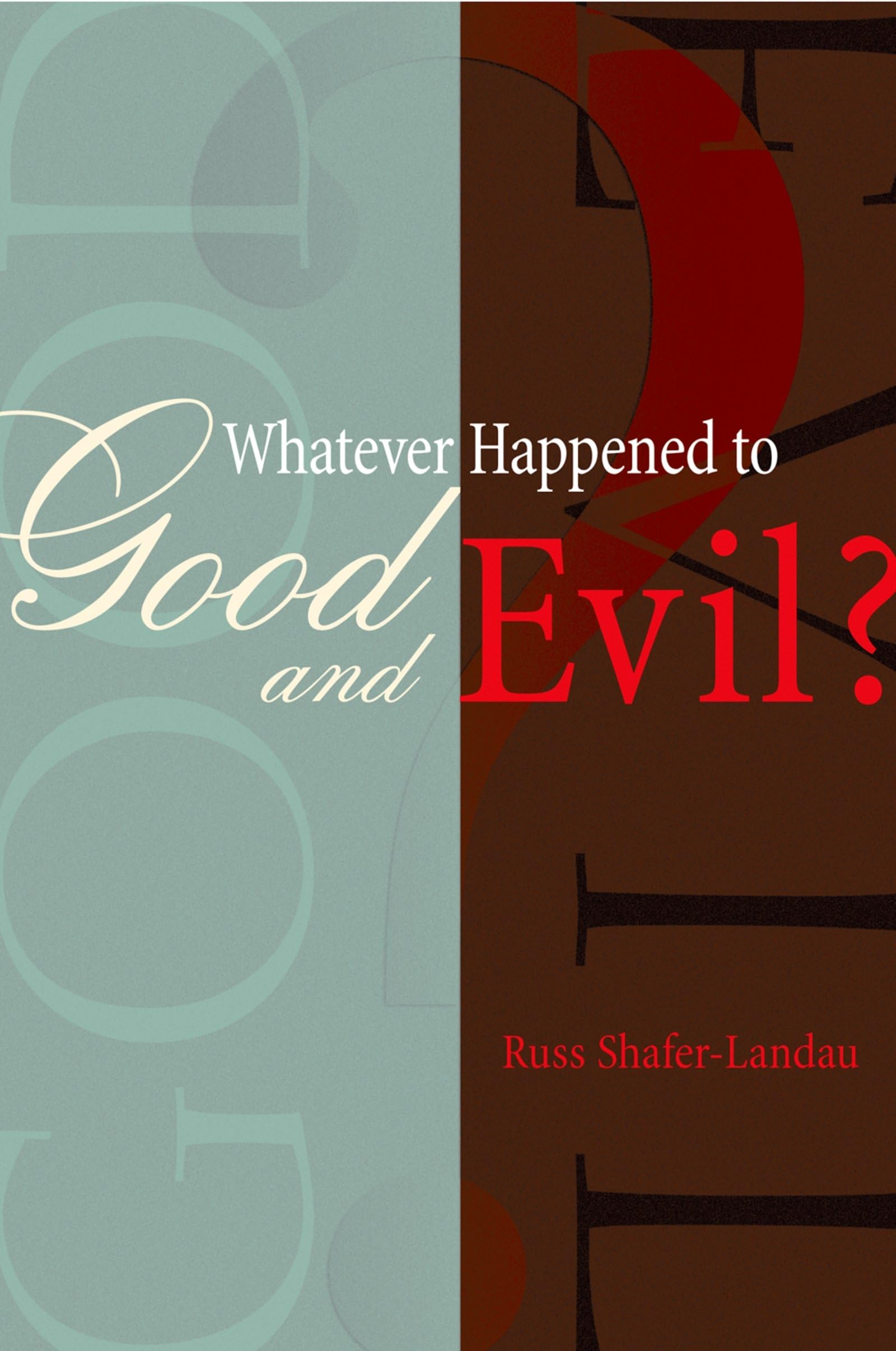
Whatever Happened To Good And Evil?
Sold by Ergodebooks, an authorized reseller.
Returns accepted within 30 days | support@ergodebooks.com
Shipping Information
- Free Standard Shipping — United States only
- Processing Time: 3–5 business days
- Estimated Delivery: 6–10 business days after dispatch
- Double-boxed, fully insured & discreetly packaged
- Tracking number sent via email once dispatched
Returns & Refund
Returns accepted within 30 days of delivery.
Damaged or Defective Item
Free return shipping + replacement or full refund
Wrong Item Received
Free return shipping + replacement or full refund
Change of Mind
Return shipping at customer's expense · 25% restocking fee applies
Payment Option

Since September 11, 2001, Many People In The United States Have Been More Inclined To Use The Language Of Good And Evil, And To Be More Comfortable With The Idea That Certain Moral Standards Are Objective (True Independently Of What Anyone Happens To Think Of Them). Some People, Especially Those Who Are Not Religious, Are Not Sure How To Substantiate This View. Whatever Happened To Good And Evil? Provides A Basis For Exploring These Doubts And Ultimately Defends The Objectivity Of Ethics. Engaging And Accessible, It Is The First Introduction To Metaethics Written Especially For Students And General Readers With No Philosophical Background. Focusing On The Issues At The Foundation Of Morality, It Poses Such Questions As: How Can We Know What Is Right And Wrong? Does Ethical Objectivity Require God? Why Should I Be Moral? Where Do Moral Standards Come From? What Is A Moral Value, And How Can It Exist In A Scientific World? Do Cultural Diversity And Persistent Moral Disagreement Support Moral Skepticism?Writing In A Clear And Lively Style And Employing Many Examples To Illustrate Theoretical Arguments, Russ Shaferlandau Identifies The Many Weaknesses In Contemporary Moral Skepticism And Devotes Considerable Attention To Presenting, And Critiquing, The Most Difficult Objections To His View. Also Included In The Book Are A Helpful Summary Of All The Major Arguments Covered, As Well As A Glossary Of Key Philosophical Terms. Whatever Happened To Good And Evil? Is Ideal For A Variety Of Philosophy Courses And Compelling Reading For Anyone Interested In Ethics.
⚠️ WARNING (California Proposition 65):
This product may contain chemicals known to the State of California to cause cancer, birth defects, or other reproductive harm.
For more information, please visit www.P65Warnings.ca.gov.
- Q: How many pages does the book contain? A: The book has one hundred sixty pages. It's a concise introduction to meta-ethics, making it accessible for readers.
- Q: What is the binding type of this book? A: The book is available in paperback binding. This makes it lightweight and easy to handle for reading.
- Q: What is the size of the book? A: The book measures eight point one one inches in length, five point four inches in height, and zero point five one inches in width. This compact size makes it portable.
- Q: Who is the author of 'Whatever Happened to Good and Evil?' A: The author is Russ Shafer-Landau. He is known for his engaging writing style and expertise in ethics.
- Q: What category does this book belong to? A: The book falls under the category of Ethics & Morality. It explores fundamental questions about moral standards.
- Q: Is this book suitable for beginners in philosophy? A: Yes, it is designed especially for students and general readers with no philosophical background. The content is accessible and engaging.
- Q: What topics are covered in this book? A: The book discusses major questions in meta-ethics, including moral objectivity and the foundations of moral standards. It critiques contemporary moral skepticism.
- Q: Can I use this book for a philosophy course? A: Yes, it is ideal for a variety of philosophy courses. Its engaging style makes it suitable for both students and general readers.
- Q: What is the primary focus of the book? A: The primary focus is on the objectivity of ethics and addresses doubts about moral standards. It encourages readers to explore their understanding of morality.
- Q: Does the book include any additional resources? A: Yes, it includes a summary of major arguments and a glossary of key philosophical terms. These resources enhance understanding of the content.
- Q: How should I care for this used book? A: To keep the book in good condition, store it in a dry place away from direct sunlight. Handle it gently to avoid wear on the cover and pages.
- Q: Is this book appropriate for all age groups? A: Yes, it is suitable for all age groups, especially those interested in ethics and philosophy. However, parental guidance may be helpful for younger readers.
- Q: What if the book arrives damaged? A: If the book arrives damaged, you should contact the seller for a return or exchange. Most sellers have policies in place for such situations.
- Q: Can I find this book in libraries? A: Yes, many libraries carry this book due to its relevance in philosophy courses. Check your local library's catalog for availability.
- Q: Does this book address cultural diversity in ethics? A: Yes, it discusses how cultural diversity and moral disagreement relate to moral skepticism. This adds depth to the exploration of ethics.
- Q: Is there a glossary included in the book? A: Yes, the book includes a glossary of key philosophical terms. This helps readers understand the terminology used throughout the text.