
Title
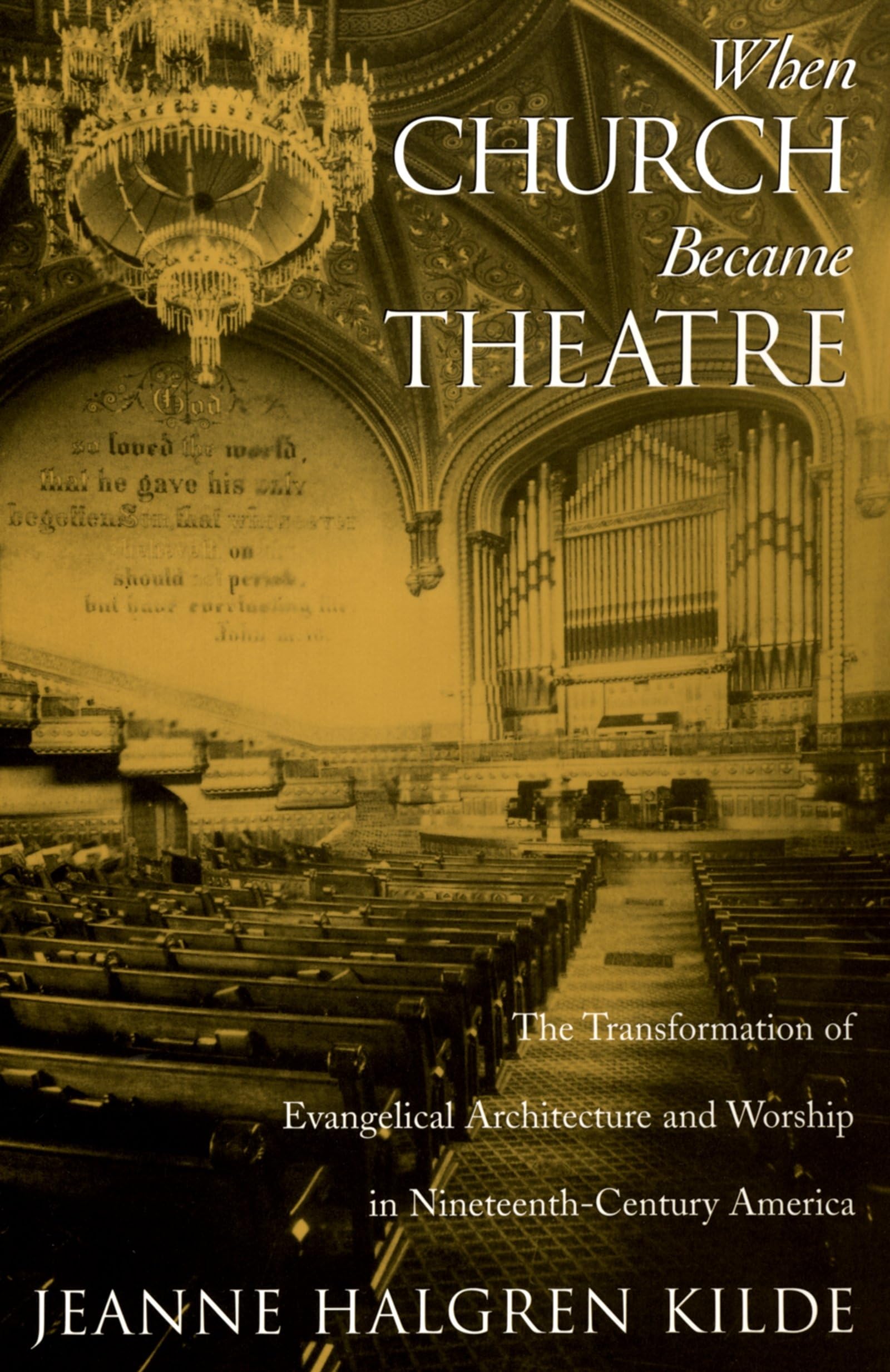
When Church Became Theatre: The Transformation of Evangelical Architecture and Worship in NineteenthCentury America,Used
Sold by Ergodebooks, an authorized reseller.
Returns accepted within 30 days | support@ergodebooks.com
Shipping Information
- Free Standard Shipping — United States only
- Processing Time: 3–5 business days
- Estimated Delivery: 6–10 business days after dispatch
- Double-boxed, fully insured & discreetly packaged
- Tracking number sent via email once dispatched
Returns & Refund
Returns accepted within 30 days of delivery.
Damaged or Defective Item
Free return shipping + replacement or full refund
Wrong Item Received
Free return shipping + replacement or full refund
Change of Mind
Return shipping at customer's expense · 25% restocking fee applies
Payment Option

For nearly eighteen centuries, two fundamental spatial plans dominated Christian architecture: the basilica and the central plan. In the 1880s, however, profound socioeconomic and technological changes in the United States contributed to the rejection of these traditions and the development of a radically new worship building, the auditorium church. When Church Became Theatre focuses on this radical shift in evangelical Protestant architecture and links it to changes in worship style and religious mission.The auditorium style, featuring a prominent stage from which rows of pews radiated up a sloping floor, was derived directly from the theatre, an unusual source for religious architecture but one with a similar goalto gather large groups within range of a speaker's voice. Theatrical elements were prominent; many featured proscenium arches, marquee lighting, theatre seats, and even opera boxes.Examining these churches and the discussions surrounding their development, Jeanne Halgren Kilde focuses on how these buildings helped congregations negotiate supernatural, social, and personal power. These worship spaces underscored performative and entertainment aspects of the service and in so doing transformed relationships between clergy and audiences. In auditorium churches, the congregants' personal and social power derived as much from consumerism as from piety, and clerical power lay in dramatic expertise rather than connections to social institutions. By erecting these buildings, argues Kilde, middle class religious audiences demonstrated the move toward a consumeroriented model of religious participation that gave them unprecedented influence over the worship experience and church mission.
⚠️ WARNING (California Proposition 65):
This product may contain chemicals known to the State of California to cause cancer, birth defects, or other reproductive harm.
For more information, please visit www.P65Warnings.ca.gov.