
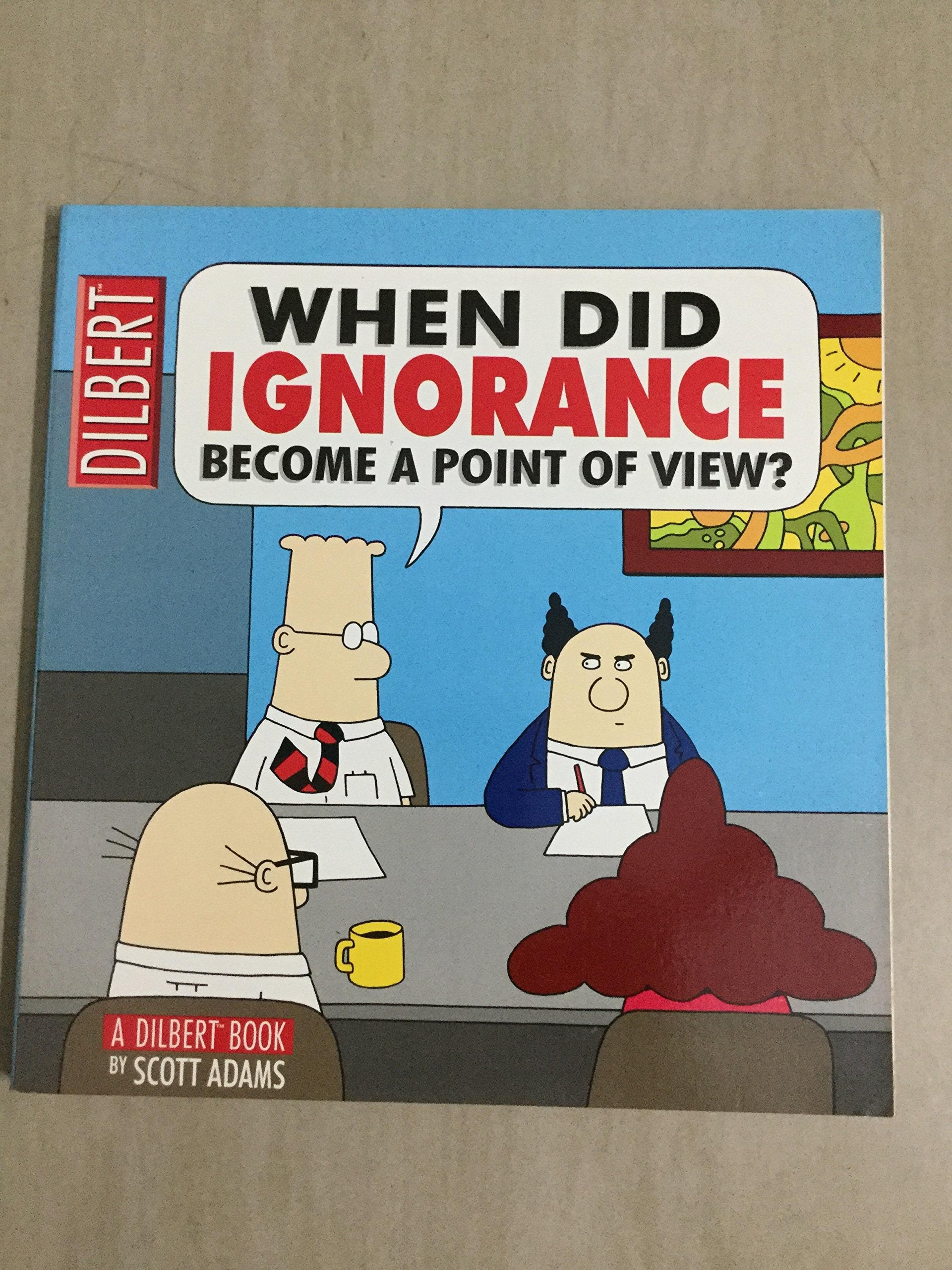
Title
When Did Ignorance Become A Point Of View
Sold by Ergodebooks, an authorized reseller.
Returns accepted within 30 days | support@ergodebooks.com
Shipping Information
- Free Standard Shipping — United States only
- Processing Time: 3–5 business days
- Estimated Delivery: 6–10 business days after dispatch
- Double-boxed, fully insured & discreetly packaged
- Tracking number sent via email once dispatched
Returns & Refund
Returns accepted within 30 days of delivery.
Damaged or Defective Item
Free return shipping + replacement or full refund
Wrong Item Received
Free return shipping + replacement or full refund
Change of Mind
Return shipping at customer's expense · 25% restocking fee applies
Payment Option

Scott Adams Still Has The Corporate World Guffawing About The Adventures Of Nerdy Dilbert And His Powerhungry Companion, Dogbert, Plus Ratbert And The Pointyhaired Boss, As They Make Their Way Through The Travails Of Modern Work Life. Only A Cartoonist With Beenthereenduredthat Experience Could Make Us Laugh So Hard. When Did Ignorance Become A Point Of View? Captures It All, Even Those Sunday Strips That Make It Into The Office Each Monday Morning.
⚠️ WARNING (California Proposition 65):
This product may contain chemicals known to the State of California to cause cancer, birth defects, or other reproductive harm.
For more information, please visit www.P65Warnings.ca.gov.
- Q: What is the page count of the book? A: The book contains one hundred twenty-eight pages. This length allows for a concise yet engaging collection of comic strips.
- Q: What are the dimensions of the book? A: The book measures nine point zero two inches in length, eight point six inches in height, and zero point thirty-one inches in width. These dimensions make it a manageable size for reading and storage.
- Q: What type of binding does the book have? A: The book features a paperback binding. This makes it lightweight and flexible, suitable for casual reading.
- Q: Who is the author of 'When Did Ignorance Become A Point Of View'? A: The author is Scott Adams. He is well-known for his work in the comic strip genre, particularly with the Dilbert series.
- Q: What genre does this book belong to? A: This book falls under the Comic Strips category. It humorously explores themes related to corporate life and workplace dynamics.
- Q: How do I read this book? A: You can read this book by opening it and enjoying the comic strips. It's suitable for anyone looking for humor related to work life.
- Q: Is this book appropriate for all ages? A: Yes, this book is suitable for a general audience. However, it may resonate more with adults familiar with corporate culture.
- Q: How should I store the book? A: Store the book in a cool, dry place. Avoid exposure to direct sunlight to prevent fading of the cover and pages.
- Q: Can I keep this book in my bag? A: Yes, the book is portable due to its paperback format. It fits easily in most bags, making it convenient for on-the-go reading.
- Q: How do I clean the book? A: To clean the book, gently wipe the cover with a soft, dry cloth. Avoid using water or cleaning solutions that could damage the pages.
- Q: What if I receive a damaged copy of the book? A: If you receive a damaged copy, you should contact the seller for a replacement or return. Ensure to keep your purchase receipt for easy processing.
- Q: Is there a warranty for this book? A: Generally, books do not come with a warranty. However, check with the retailer for their specific return policy.
- Q: How does this book compare to other Scott Adams works? A: This book is similar to other Scott Adams works in its satirical take on corporate life. However, it specifically highlights the absurdities of ignorance in the workplace.
- Q: Is this book suitable for beginners in comic strips? A: Yes, this book is accessible for beginners. Its humor is relatable, making it easy for new readers to enjoy.
- Q: What themes are explored in this book? A: The book primarily explores themes of workplace absurdity and the humorous interactions between employees and management. It reflects on modern work life.