
Title
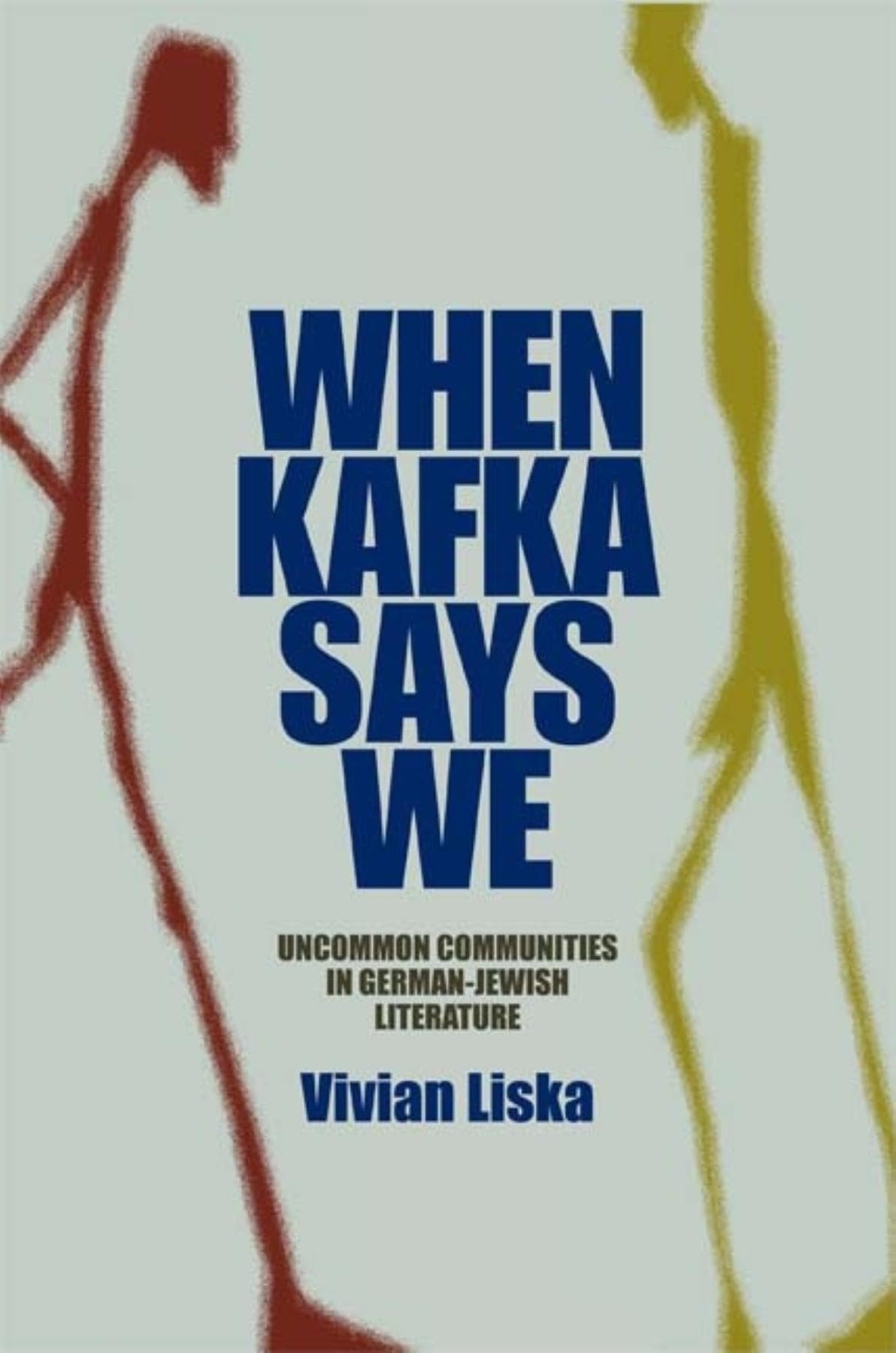
When Kafka Says We: Uncommon Communities in GermanJewish Literature (The Helen and Martin Schwartz Lectures in Jewish Studies),New
Sold by Ergodebooks, an authorized reseller.
Returns accepted within 30 days | support@ergodebooks.com
Shipping Information
- Free Standard Shipping — United States only
- Processing Time: 3–5 business days
- Estimated Delivery: 6–10 business days after dispatch
- Double-boxed, fully insured & discreetly packaged
- Tracking number sent via email once dispatched
Returns & Refund
Returns accepted within 30 days of delivery.
Damaged or Defective Item
Free return shipping + replacement or full refund
Wrong Item Received
Free return shipping + replacement or full refund
Change of Mind
Return shipping at customer's expense · 25% restocking fee applies
Payment Option

Taking as its starting point Franz Kafka's complex relationship to Jews and to communities in general, When Kafka Says We explores the ambivalent responses of major GermanJewish writers to selfenclosed social, religious, ethnic, and ideological groups. Vivian Liska shows that, for Kafka and others, this ambivalence inspired innovative modes of writing which, while unmasking the oppressive cohesion of communal groupings, also configured original and uncommon communities. Interlinked close readings of works by GermanJewish writers such as Kafka, Else LaskerSchler, Nelly Sachs, Paul Celan, Ilse Aichinger, and Robert Schindel illuminate the ways in which literature can subvert, extend, or reconfigure established visions of communities. Liska's rich and astute analysis uncovers provocative attitudes and insights on a subject of continuing controversy.
⚠️ WARNING (California Proposition 65):
This product may contain chemicals known to the State of California to cause cancer, birth defects, or other reproductive harm.
For more information, please visit www.P65Warnings.ca.gov.
- Q: What is the page count of this book? A: This book has two hundred fifty-six pages. It offers an in-depth exploration of German-Jewish literature.
- Q: What is the binding type of this book? A: This book is bound in hardcover. Hardcover bindings are known for their durability and professional appearance.
- Q: What are the dimensions of this book? A: The book measures six point three five inches in length, nine point five eight inches in height, and zero point nine four inches in width. These dimensions make it a manageable size for reading.
- Q: Who is the author of the book? A: The author of the book is Vivian Liska. She provides a detailed analysis of German-Jewish literature.
- Q: What topics does this book cover? A: This book explores the complex relationship between Franz Kafka and Jewish communities. It examines the innovative writing styles of major German-Jewish authors.
- Q: How do I read this book? A: You can read this book like any other hardcover book. Simply open it and start from the first page.
- Q: Is this book suitable for young readers? A: This book is primarily intended for adults and academic audiences. It deals with complex themes related to literature and identity.
- Q: What themes are explored in this book? A: The book discusses themes of community, identity, and literary innovation in response to social and ideological groups. It emphasizes the ambivalence of German-Jewish writers.
- Q: How should I store this book? A: Store this book upright on a shelf to maintain its shape. Keep it in a dry place away from direct sunlight to prevent damage.
- Q: How can I keep this book in good condition? A: To keep this book in good condition, avoid bending the cover and handle it with clean hands. Use bookmarks instead of folding pages.
- Q: What if the book arrives damaged? A: If the book arrives damaged, you should contact the seller for a return or exchange. Most sellers have policies in place for such situations.
- Q: Is this book part of a series? A: Yes, this book is part of The Helen and Martin Schwartz Lectures in Jewish Studies series. It contributes to the ongoing discourse in this academic field.
- Q: What is the main argument of this book? A: The main argument is that German-Jewish writers used their ambivalence towards communities to create innovative literary styles. This highlights the complexities of identity.
- Q: Are there any notable authors discussed in this book? A: Yes, notable authors discussed include Franz Kafka, Else Lasker-Schüler, and Paul Celan, among others. Their works are analyzed for their unique perspectives on community.
- Q: Is this book available in digital format? A: The availability of a digital format depends on the publisher. Check with Indiana University Press for eBook options.