If you have any questions, you are always welcome to contact us. We'll get back to you as soon as possible, withing 24 hours on weekdays.
Customer service
All questions about your order, return and delivery must be sent to our customer service team by e-mail at yourstore@yourdomain.com
Sale & Press
If you are interested in selling our products, need more information about our brand or wish to make a collaboration, please contact us at press@yourdomain.com
Help
If you have any questions, you are always welcome to contact us. We'll get back to you as soon as possible, withing 24 hours on weekdays.
Customer service
All questions about your order, return and delivery must be sent to our customer service team by e-mail at yourstore@yourdomain.com
Sale & Press
If you are interested in selling our products, need more information about our brand or wish to make a collaboration, please contact us at press@yourdomain.com
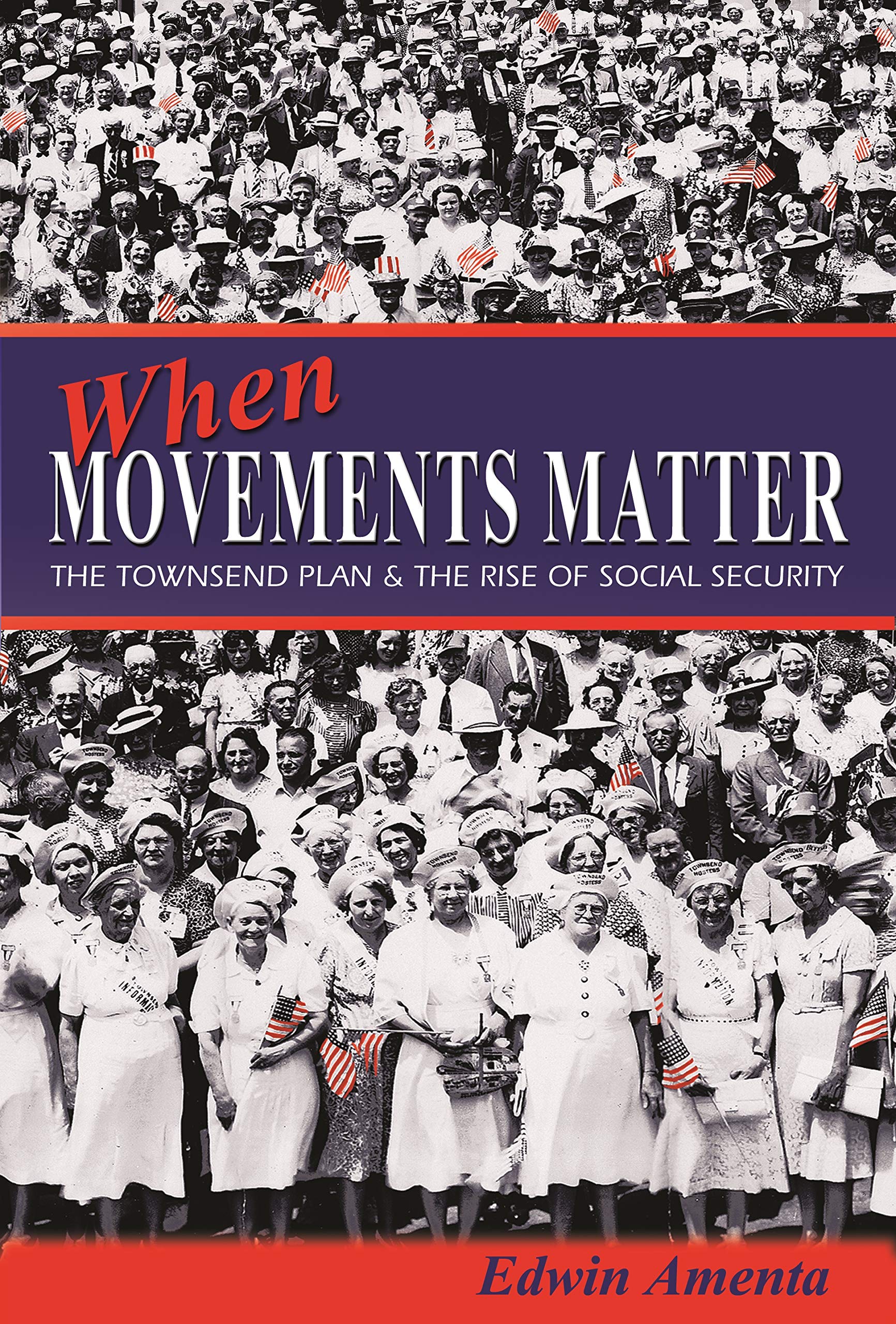
When Movements Matter accounts for the origins of Social Security as we know it. The book tells the overlooked story of the Townsend Plana political organization that sought to alleviate poverty and end the Great Depression through a governmentprovided retirement stipend of $200 a month for every American over the age of sixty.Both the Townsend Plan, which organized two million older Americans into Townsend clubs, and the wider pension movement failed to win the generous and universal senior citizens' pensions their advocates demanded. But the movement provided the political impetus behind oldage policy in its formative years and pushed America down the track of creating an oldage welfare state.Drawing on a wealth of primary evidence, historical detail, and arresting images, Edwin Amenta traces the ups and downs of the Townsend Plan and its elderly leader Dr. Francis E. Townsend in the struggle to remake old age. In the process, Amenta advances a new theory of when social movements are influential.The book challenges the conventional wisdom that U.S. oldage policy was a result mainly of the Depression or farsighted bureaucrats. It also debunks the current view that America immediately embraced Social Security when it was adopted in 1935. And it sheds new light on how social movements that fail to achieve their primary goals can still influence social policy and the way people relate to politics.
⚠️ WARNING (California Proposition 65):
This product may contain chemicals known to the State of California to cause cancer,
birth defects, or other reproductive harm.
For MAP (Minimum Advertised Price) violations and Intellectual Property (IP) or Trademark concerns, please contact:
support@ergodebooks.com
⚠️ California Proposition 65 Warning: Some products sold on this website may expose you to chemicals known to the State of California to cause cancer, birth defects, or other reproductive harm. For more information, visit www.P65Warnings.ca.gov.