
Title
When The Welfare People Come: Race And Class In The Us Child Protection System
Sold by Ergodebooks, an authorized reseller.
Returns accepted within 30 days | support@ergodebooks.com
Shipping Information
- Free Standard Shipping — United States only
- Processing Time: 3–5 business days
- Estimated Delivery: 6–10 business days after dispatch
- Double-boxed, fully insured & discreetly packaged
- Tracking number sent via email once dispatched
Returns & Refund
Returns accepted within 30 days of delivery.
Damaged or Defective Item
Free return shipping + replacement or full refund
Wrong Item Received
Free return shipping + replacement or full refund
Change of Mind
Return shipping at customer's expense · 25% restocking fee applies
Payment Option

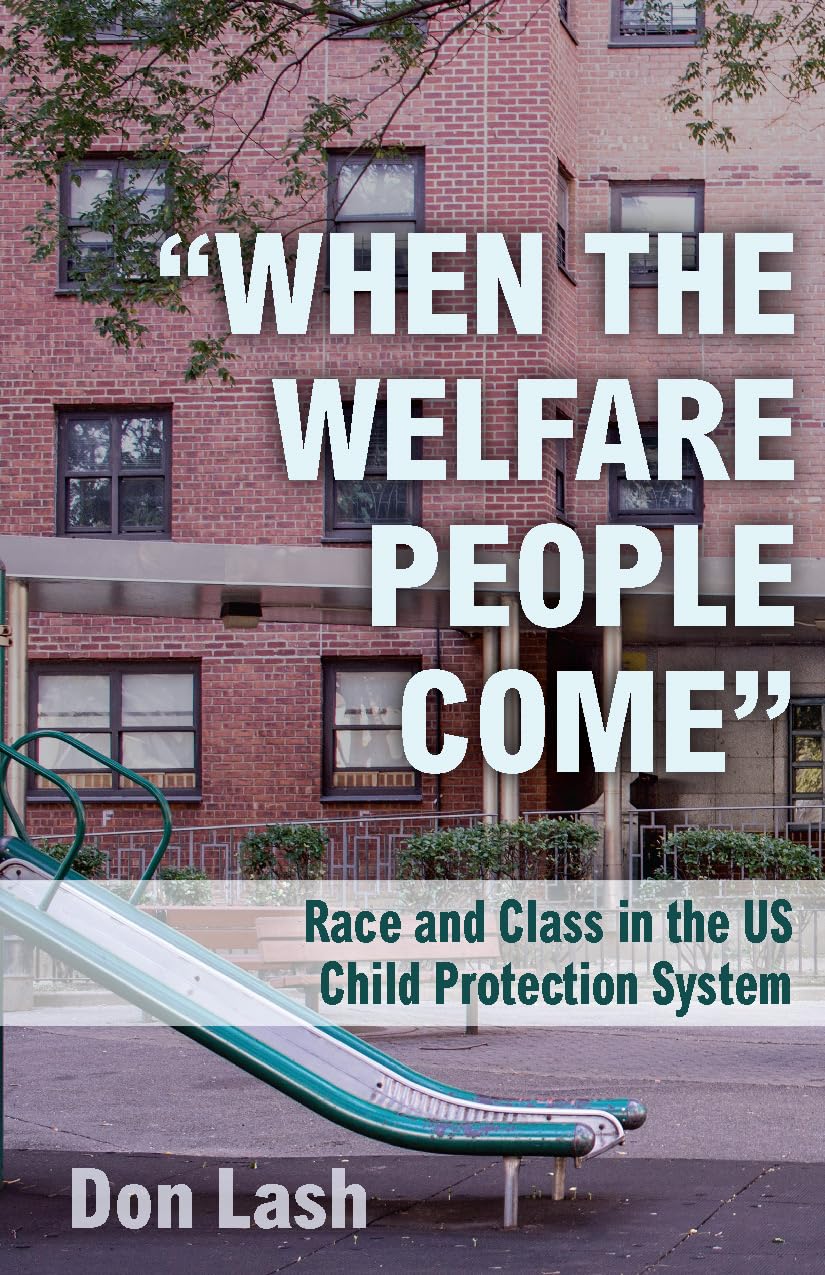
Malcolm X, Describing His Childhood Experience Of When The Welfare People Came And Introduced Him To The Us Child Protection System, Called It Legal, Modern Slaveryhowever Kindly Intentioned. That Shocking Characterization Obscures Some Of The Complexities Of The State Response To Childhood Poverty, But It Reflects Sentiments That Are Common Among Communities Of Color, Where Child Welfare Investigations Are Most Concentrated. A Radical Assessment Of Institutional Racism In The Child Welfare System Is Needed Now More Than Ever.In This Sweeping Look At The History And Politics Of The Us Child Welfare System, When The Welfare People Come Exposes The Systemfrom The Orphan Trains And Indian Boarding Schools To Current Practices In Child Protective Investigations, Foster Care, And Mandated Servicesarguing That It Constitutes A Mechanism Of Control Exerted Over Poor And Workingclass Parents And Children. Don Lash Reveals The Systems Role In The Regulation Of Family Life Under Capitalism And Details The Deep And Continuing Consequences Of What Happens When The Welfare People Come. Including Firstperson Vignettes Of Parents, Children, And Workers In The Us Child Protection System, Lash Also Offers Practical And Cogent Ideas For Its Improvement And Transformation.
⚠️ WARNING (California Proposition 65):
This product may contain chemicals known to the State of California to cause cancer, birth defects, or other reproductive harm.
For more information, please visit www.P65Warnings.ca.gov.
- Q: What is the page count of this book? A: This book has two hundred twenty-two pages. It's a comprehensive examination of the US child protection system.
- Q: What is the binding type of this book? A: This book is available in paperback binding. This makes it lightweight and easy to handle.
- Q: What are the dimensions of the book? A: The book measures five point four inches in length, zero point six inches in width, and eight point four inches in height. These dimensions make it portable for readers.
- Q: What is the main subject of this book? A: The book focuses on race and class in the US child protection system. It critiques institutional racism and its impact on families.
- Q: Who is the author of this book? A: The author of this book is Don Lash. He provides a radical assessment of the child welfare system.
- Q: Is this book suitable for young readers? A: This book is primarily aimed at adults and those interested in social justice. It addresses complex themes that may not be suitable for younger audiences.
- Q: What themes are explored in the book? A: The book explores themes of institutional racism, childhood poverty, and the regulation of family life. It presents both historical and contemporary perspectives.
- Q: How can this book improve understanding of child welfare? A: This book offers insights into the child welfare system's history and politics. It provides practical ideas for its improvement and transformation.
- Q: What type of audience would benefit from this book? A: Academics, social workers, and anyone interested in child welfare policies would benefit from this book. It provides a critical view of the system.
- Q: Does the book include personal stories? A: Yes, the book includes first-person vignettes from parents, children, and workers. These stories add depth to the analysis of the child protection system.
- Q: What recommendations does the author make? A: The author offers practical and cogent ideas for improving the child welfare system. This includes suggestions for policy transformation.
- Q: What historical events are covered in the book? A: The book covers historical events such as orphan trains and Indian boarding schools. It connects these events to current practices in child welfare.
- Q: Is the book focused on a specific geographical area? A: Yes, the book specifically examines the US child welfare system. It highlights issues faced by communities of color.
- Q: What kind of research does the author use? A: The author utilizes a mix of historical analysis and contemporary case studies. This approach helps illustrate the complexities of the child welfare system.
- Q: Does the book address the impact of capitalism on family life? A: Yes, the book discusses the regulation of family life under capitalism. It critiques how economic factors influence child welfare policies.