
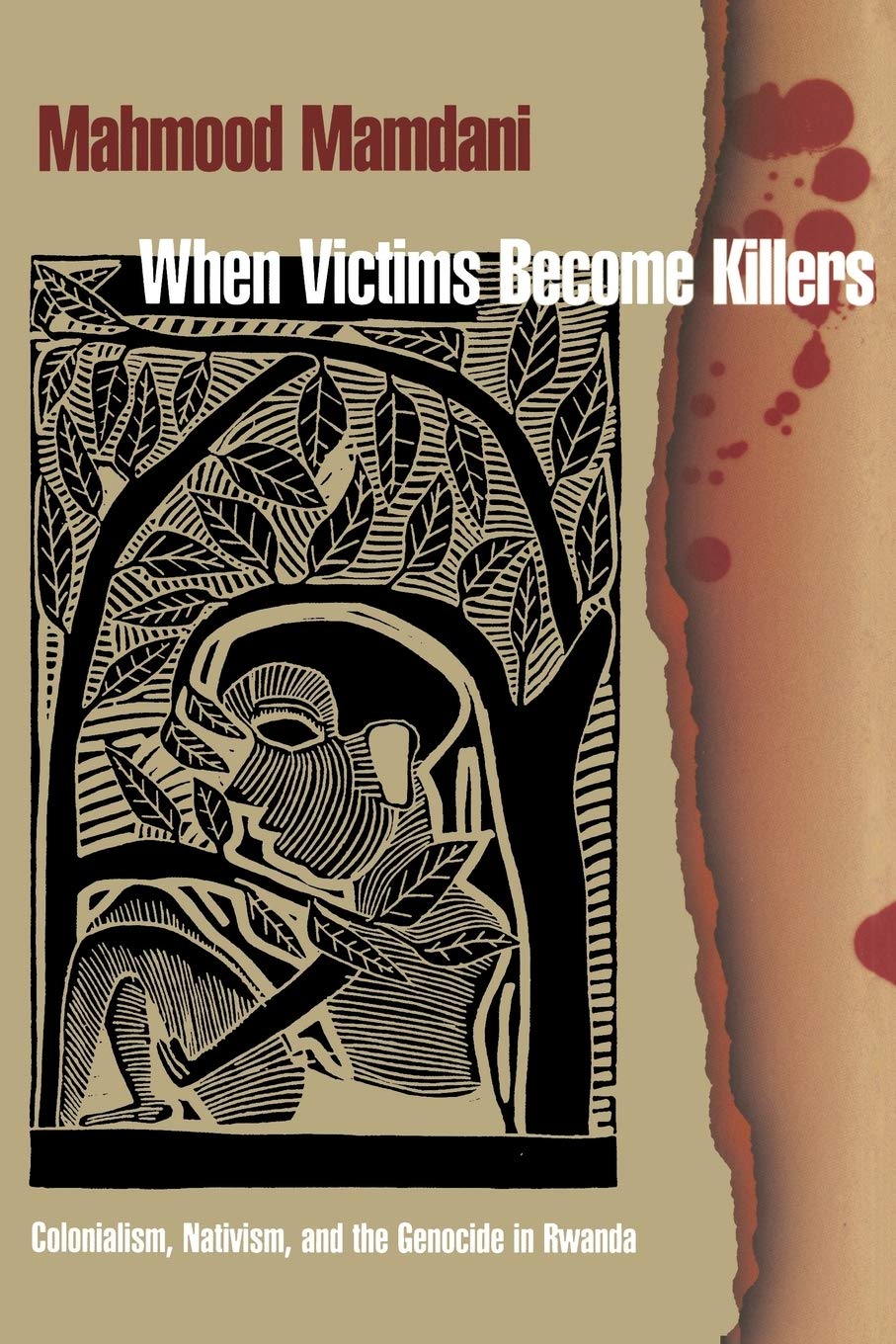
Title
When Victims Become Killers: Colonialism, Nativism, and the Genocide in Rwanda,Used
Sold by Ergodebooks, an authorized reseller.
Returns accepted within 30 days | support@ergodebooks.com
Shipping Information
- Free Standard Shipping — United States only
- Processing Time: 3–5 business days
- Estimated Delivery: 6–10 business days after dispatch
- Double-boxed, fully insured & discreetly packaged
- Tracking number sent via email once dispatched
Returns & Refund
Returns accepted within 30 days of delivery.
Damaged or Defective Item
Free return shipping + replacement or full refund
Wrong Item Received
Free return shipping + replacement or full refund
Change of Mind
Return shipping at customer's expense · 25% restocking fee applies
Payment Option

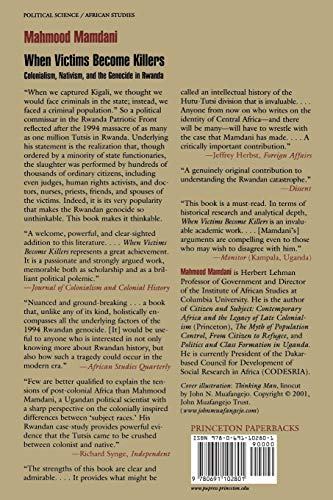
When we captured Kigali, we thought we would face criminals in the state; instead, we faced a criminal population.' So a political commissar in the Rwanda Patriotic Front reflected after the 1994 massacre of as many as one million Tutsis in Rwanda. Underlying his statement is the realization that, though ordered by a minority of state functionaries, the slaughter was performed by hundreds of thousands of ordinary citizens, including even judges, human rights activists, and doctors, nurses, priests, friends, and spouses of the victims. Indeed, it is its very popularity that makes the Rwandan genocide so unthinkable. This book makes it thinkable.Rejecting easy explanations of the genocide as a mysterious evil force that was bizarrely unleashed, one of Africa's bestknown intellectuals situates the tragedy in its proper context. He coaxes to the surface the historical, geographical, and political forces that made it possible for so many Hutu to turn so brutally on their neighbors. He finds answers in the nature of political identities generated during colonialism, in the failures of the nationalist revolution to transcend these identities, and in regional demographic and political currents that reach well beyond Rwanda. In so doing, Mahmood Mamdani usefully broadens understandings of citizenship and political identity in postcolonial Africa.There have been few attempts to explain the Rwandan horror, and none has succeeded so well as this one. Mamdani's analysis provides a solid foundation for future studies of the massacre. Even more important, his answers point a way out of crisis: a direction for reforming political identity in central Africa and preventing future tragedies.
⚠️ WARNING (California Proposition 65):
This product may contain chemicals known to the State of California to cause cancer, birth defects, or other reproductive harm.
For more information, please visit www.P65Warnings.ca.gov.
- Q: What is the genre of this book? A: The genre of this book is History. It offers an in-depth analysis of the Rwandan genocide and its historical context.
- Q: How many pages does this book have? A: This book has three hundred eighty-four pages. It provides a comprehensive exploration of complex themes surrounding the Rwandan genocide.
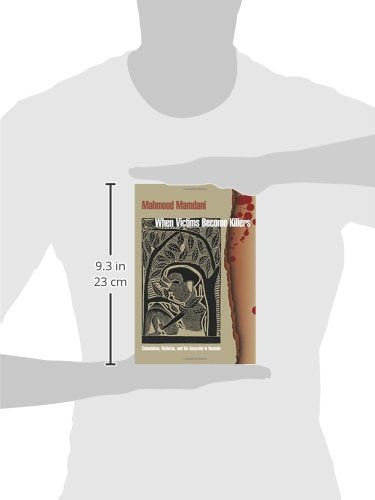
- Q: What are the dimensions of this book? A: The dimensions of this book are six inches in length, one inch in width, and nine point zero two inches in height. These measurements make it a standard-sized paperback.
- Q: Who is the author of this book? A: The author of this book is Mahmood Mamdani. He is known for his significant contributions to African studies and political analysis.
- Q: What type of binding does this book have? A: This book has a paperback binding. It is designed for easy handling and reading.
- Q: What themes are explored in this book? A: This book explores themes of colonialism, political identity, and the factors contributing to the Rwandan genocide. It provides a deep understanding of the historical context.
- Q: Is this book suitable for academic study? A: Yes, this book is suitable for academic study. It provides valuable insights and analysis that can be referenced in research on genocide and postcolonial studies.
- Q: What audience would benefit from reading this book? A: This book is beneficial for students, scholars, and anyone interested in African history and political identity. It offers critical perspectives on complex issues.
- Q: How should I care for this book? A: To care for this book, store it in a dry place away from direct sunlight. Avoid exposing it to moisture to preserve its condition.
- Q: Is there any specific maintenance required for this book? A: No specific maintenance is required for this book. Just handle it with care to avoid wear and tear.
- Q: Can I return this book if I'm not satisfied? A: Yes, you can return this book if you're not satisfied. Check the seller's return policy for specific instructions on how to initiate a return.
- Q: What should I do if the book arrives damaged? A: If the book arrives damaged, contact customer service immediately for assistance. Most sellers will provide options for returns or replacements.
- Q: Does this book contain graphic content? A: Yes, this book discusses graphic content related to genocide and violence. Reader discretion is advised.
- Q: What is the target age group for this book? A: This book is intended for adults and mature readers. It deals with complex and sensitive historical themes.
- Q: Is there a digital version of this book available? A: Yes, a digital version may be available through various online retailers. Check for eBook formats if you prefer digital reading.