
Title
Where the Truth Lies: Franz Moewus and the Origins of Molecular Biology,New
Sold by Ergodebooks, an authorized reseller.
Returns accepted within 30 days | support@ergodebooks.com
Shipping Information
- Free Standard Shipping — United States only
- Processing Time: 3–5 business days
- Estimated Delivery: 6–10 business days after dispatch
- Double-boxed, fully insured & discreetly packaged
- Tracking number sent via email once dispatched
Returns & Refund
Returns accepted within 30 days of delivery.
Damaged or Defective Item
Free return shipping + replacement or full refund
Wrong Item Received
Free return shipping + replacement or full refund
Change of Mind
Return shipping at customer's expense · 25% restocking fee applies
Payment Option

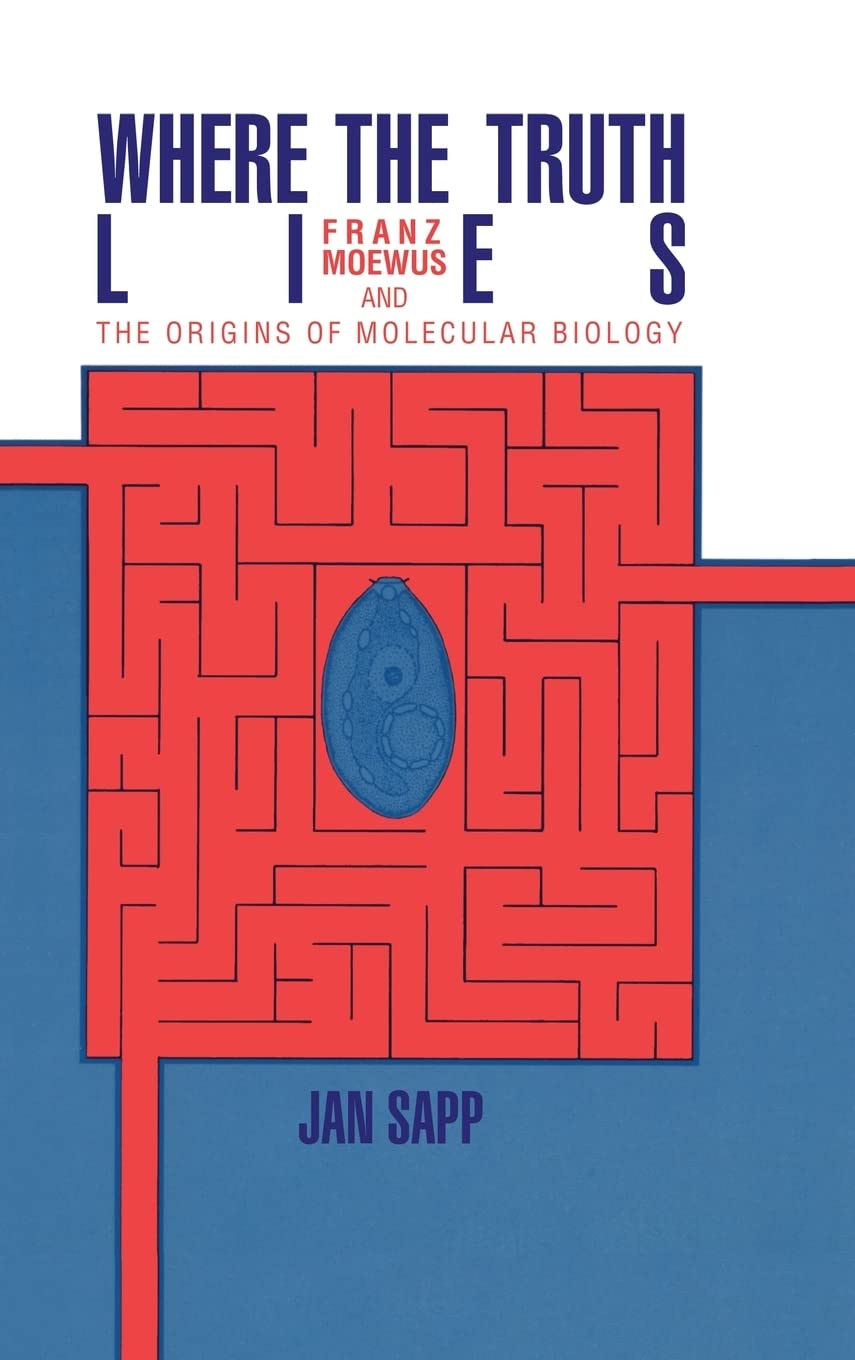
This absorbing account of a case of suspected fraud involving the tragic career of the molecular biologist Franz Moewus illustrates all that can go wrong in scientific knowledgemaking. The author follows Moewus' meteoric flight among the greatest scientists of the twentiethcentury, to his denunciation as the perpetrator of one of the most ambitious cases of fraud in the history of science. He discusses the sociopolitical issues that helped to bring Moewus' work to the center of great scrutiny in the professional biological science community, how the controversy was sustained for decades, and how it came to a close and was eventually expunged from the history of science. The author reopens this case and writes Moewus into the history of modern science, not in an attempt to vindicate him, but to present the methodological lessons that the controversy reveals to both scientists and science analysts. Arguing against the existence of institutionalized rules and of a universal efficacious scientific method, Professor Sapp demonstrates how what counts as evidence is negotiated by science, and he reveals the difficulties scientists face in objectively testing the validity of scientific results. By likening scientists to storytellers, the author emphasizes the creative nature of science, the rhetorical nature of scientific reports, and the fictitious elements inherent in the construction and maintenance of scientific knowledgemaking and knowledgebreaking claims. Undergraduate and graduate students and professional researchers in the history and philosophy of science and experimental biology will find this a thought provoking and informative historical account.
⚠️ WARNING (California Proposition 65):
This product may contain chemicals known to the State of California to cause cancer, birth defects, or other reproductive harm.
For more information, please visit www.P65Warnings.ca.gov.