
Title
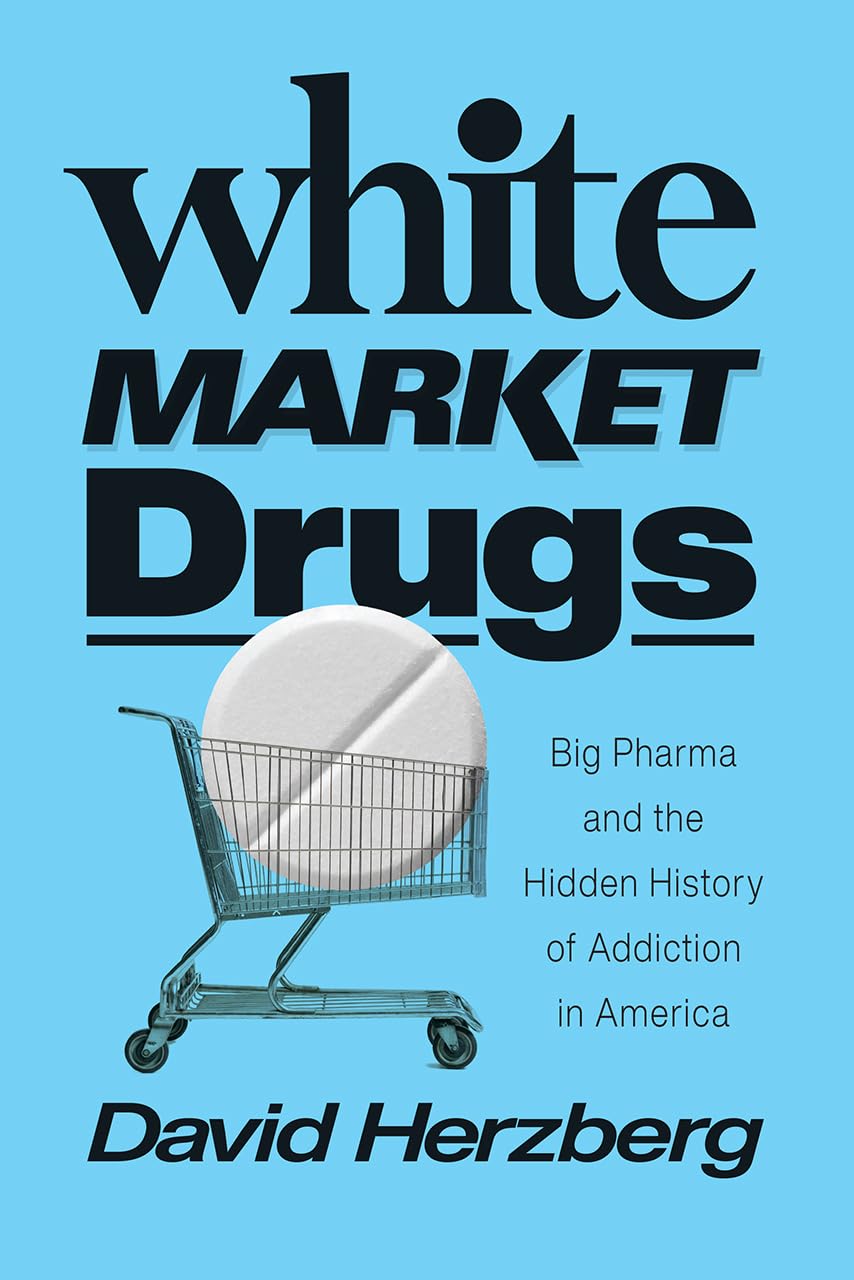
White Market Drugs: Big Pharma And The Hidden History Of Addiction In America
Sold by Ergodebooks, an authorized reseller.
Returns accepted within 30 days | support@ergodebooks.com
Shipping Information
- Free Standard Shipping — United States only
- Processing Time: 3–5 business days
- Estimated Delivery: 6–10 business days after dispatch
- Double-boxed, fully insured & discreetly packaged
- Tracking number sent via email once dispatched
Returns & Refund
Returns accepted within 30 days of delivery.
Damaged or Defective Item
Free return shipping + replacement or full refund
Wrong Item Received
Free return shipping + replacement or full refund
Change of Mind
Return shipping at customer's expense · 25% restocking fee applies
Payment Option

The Contemporary Opioid Crisis Is Widely Seen As New And Unprecedented. Not So. It Is Merely The Latest In A Long Series Of Drug Crises Stretching Back Over A Century. In White Market Drugs, David Herzberg Explores These Crises And The Drugs That Fueled Them, From Bayers Heroin To Purdues Oxycontin And All The Drugs In Between: Barbiturate Goof Balls, Amphetamine Thrill Pills, The Love Drug Quaalude, And More. As Herzberg Argues, The Vast Majority Of American Experiences With Drugs And Addiction Have Taken Place Within What He Calls White Markets, Where Legal Drugs Called Medicines Are Sold To A Largely White Clientele.These Markets Are Widely Acknowledged But No One Has Explained How They Became So Central To The Medical System In A Nation Famous For Its Drug Warsuntil Now. Drawing From Federal, State, Industry, And Medical Archives Alongside A Wealth Of Published Sources, Herzberg Reconnects Americas Divided Drug History, Telling The Whole Story For The First Time. He Reveals That The Driving Question For Policymakers Has Never Been How To Prohibit The Use Of Addictive Drugs, But How To Ensure Their Availability In Medical Contexts, Where Profitability Often Outweighs Public Safety. Access To White Markets Was Thus A Doubleedged Sword For Socially Privileged Consumers, Even As Communities Of Color Faced Exclusion And Punitive Drug Prohibition. To Counter This Nowin Setup, Herzberg Advocates For A Consumer Protection Approach That Robustly Regulates All Drug Markets To Minimize Risks While Maintaining Safe, Reliable Access (And Treatment) For People With Addiction.Accomplishing This Requires Rethinking A Drug/Medicine Divide Born A Century Ago That, Unlike Most Policies Of That Racially Segregated Era, Has Somehow Survived Relatively Unscathed Into The Twentyfirst Century.By Showing How The Twentyfirstcentury Opioid Crisis Is Only The Most Recent In A Long History Of Similar Crises Of Addiction To Pharmaceuticals, Herzberg Forces Us To Rethink Our Most Basic Ideas About Drug Policy And Addiction Itselfideas That Have Been Failing Us Catastrophically For Over A Century.
⚠️ WARNING (California Proposition 65):
This product may contain chemicals known to the State of California to cause cancer, birth defects, or other reproductive harm.
For more information, please visit www.P65Warnings.ca.gov.
- Q: How many pages does the book have? A: The book has four hundred pages. This length provides an in-depth exploration of the opioid crisis and its historical context.
- Q: What are the dimensions of the book? A: The book measures five point nine eight inches in length, one point one eight inches in width, and nine point zero two inches in height. These dimensions make it a standard hardcover size for easy reading.
- Q: Who is the author of this book? A: The author is David Herzberg. He presents a thorough analysis of addiction and drug policy in America.
- Q: What is the binding type of the book? A: The book is bound in hardcover. This binding is durable and ideal for long-term use.
- Q: Is this book suitable for younger readers? A: No, this book is not specifically tailored for younger readers. It deals with complex themes related to addiction and drug policy.
- Q: What topics are covered in the book? A: The book covers the history of drug crises in America, focusing on legal drugs and their impact on society. It discusses the opioid crisis and the concept of 'white markets'.
- Q: How should I store this book? A: Store the book in a cool, dry place, upright on a shelf. This helps preserve its condition and prevents damage.
- Q: Are there any safety concerns with the book's content? A: Yes, the book discusses sensitive topics related to addiction. Readers should approach the material with care, especially those personally affected by these issues.
- Q: Can I return the book if I don’t like it? A: Yes, you can return the book if you are not satisfied. Check the retailer's return policy for specific details.
- Q: What if the book arrives damaged? A: If the book arrives damaged, contact customer service for assistance. They will guide you through the return or exchange process.
- Q: How does this book compare to others on addiction? A: This book offers a historical perspective, distinguishing it from others that focus solely on contemporary issues. It provides a comprehensive view of addiction's evolution in America.
- Q: Is this book appropriate for academic study? A: Yes, this book is appropriate for academic study. It includes extensive research and references, making it suitable for scholarly discussions.
- Q: What genre does this book belong to? A: The book belongs to the non-fiction genre, specifically focusing on history and social issues related to addiction.
- Q: Does the book offer solutions to drug addiction? A: Yes, the author advocates for a consumer protection approach to drug regulation. This perspective aims to minimize risks while ensuring safe access to medications.
- Q: Is there any discussion about racial issues in the book? A: Yes, the book discusses how communities of color have faced exclusion from 'white markets' and highlights the racial dynamics in drug policy.