
Title
White Sand Black Beach: Civil Rights, Public Space, And Miamis Virginia Key,Used
Sold by Ergodebooks, an authorized reseller.
Returns accepted within 30 days | support@ergodebooks.com
Shipping Information
- Free Standard Shipping — United States only
- Processing Time: 3–5 business days
- Estimated Delivery: 6–10 business days after dispatch
- Double-boxed, fully insured & discreetly packaged
- Tracking number sent via email once dispatched
Returns & Refund
Returns accepted within 30 days of delivery.
Damaged or Defective Item
Free return shipping + replacement or full refund
Wrong Item Received
Free return shipping + replacement or full refund
Change of Mind
Return shipping at customer's expense · 25% restocking fee applies
Payment Option

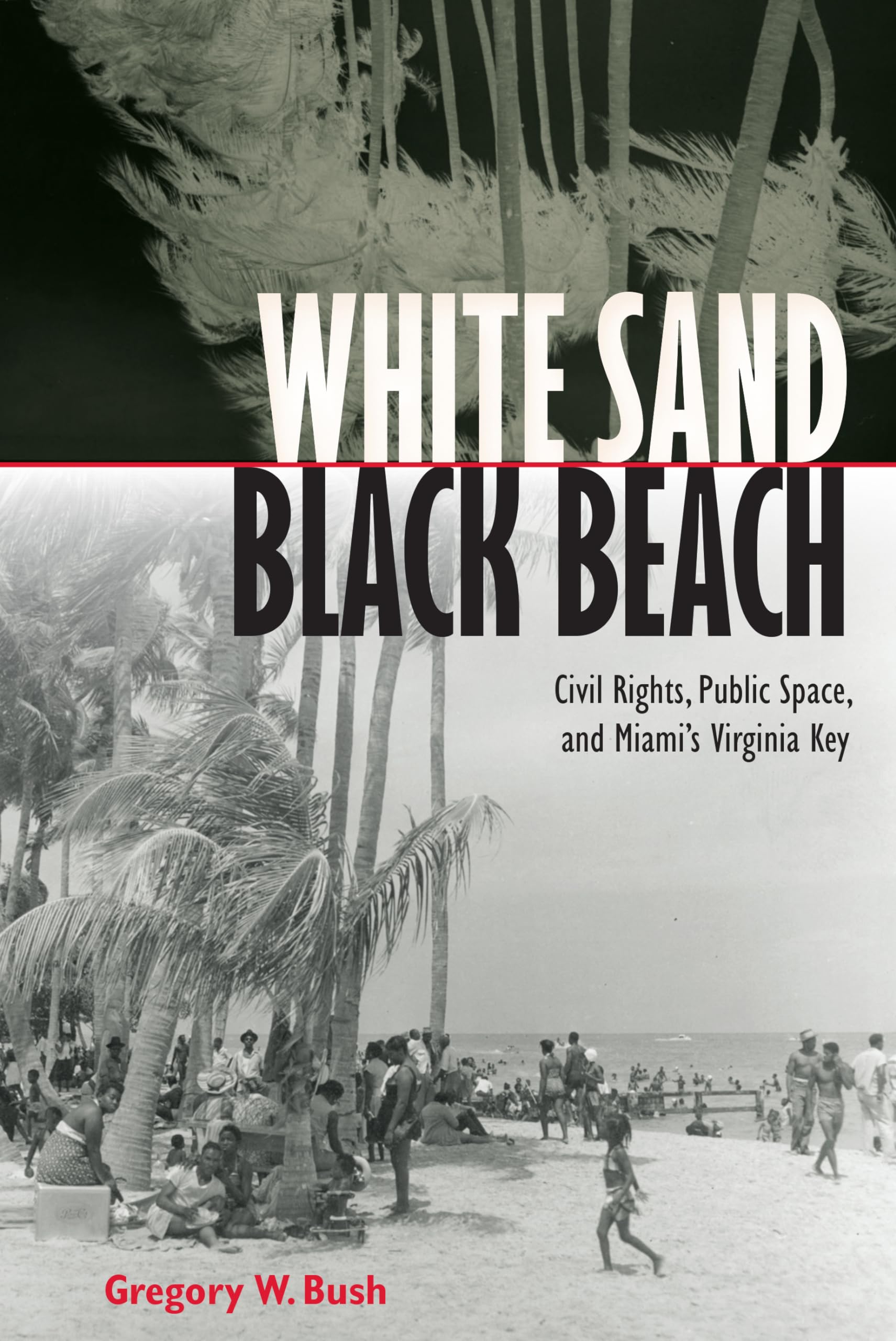
Florida Historical Society Harry T. and Hariette V. Moore Award Florida Book Awards, Silver Medal for Florida NonfictionIn May 1945, activists staged a wadein at a whitesonly beach in Miami, protesting the Jim Crowera laws that denied blacks access to recreational waterfront areas. Pressured by protestors in this first postwar civil rights demonstration, the Dade County Commission ultimately designated the difficulttoaccess Virginia Key as a beach for African Americans. The beach became vitally important to the community, offering a place to congregate with family and friends and to enjoy the natural wonders of the area. It was also a tangible victory in the continuing struggle for civil rights in public space.As Florida beaches were later desegregated, many viewed Virginia Key as symbolic of an oppressive past and ceased to patronize it. At the same time, white leaders responded to desegregation by decreasing attention to and funding for public spaces in general. The beach was largely ignored and eventually shut down.In White Sand Black Beach, historian and longtime Miami activist Gregory Bush recounts this unique story and the current state of the public waterfront in Miami. Recently environmentalists, community leaders, and civil rights activists have come together to revitalize the beach, and Bush highlights the potential to stimulate civic engagement in public planning processes. While local governments defer to booster and lobbying interests pushing for destination casinos and boat shows, Bush calls for a land ethic that connects people to the local environment. He seeks to shift the local political divisions beyond established interest groups and neoliberalism to a broader vision that simplifies human needs, and reconnects people to fundamental values such as health. A place of fellowship, relaxation, and interaction with nature, this beach, Bush argues, offers a common ground of hope for a better future.
⚠️ WARNING (California Proposition 65):
This product may contain chemicals known to the State of California to cause cancer, birth defects, or other reproductive harm.
For more information, please visit www.P65Warnings.ca.gov.