
Title
Who Can Stop The Drums?: Urban Social Movements In Chvezs Venezuela,New
Sold by Ergodebooks, an authorized reseller.
Returns accepted within 30 days | support@ergodebooks.com
Shipping Information
- Free Standard Shipping — United States only
- Processing Time: 3–5 business days
- Estimated Delivery: 6–10 business days after dispatch
- Double-boxed, fully insured & discreetly packaged
- Tracking number sent via email once dispatched
Returns & Refund
Returns accepted within 30 days of delivery.
Damaged or Defective Item
Free return shipping + replacement or full refund
Wrong Item Received
Free return shipping + replacement or full refund
Change of Mind
Return shipping at customer's expense · 25% restocking fee applies
Payment Option

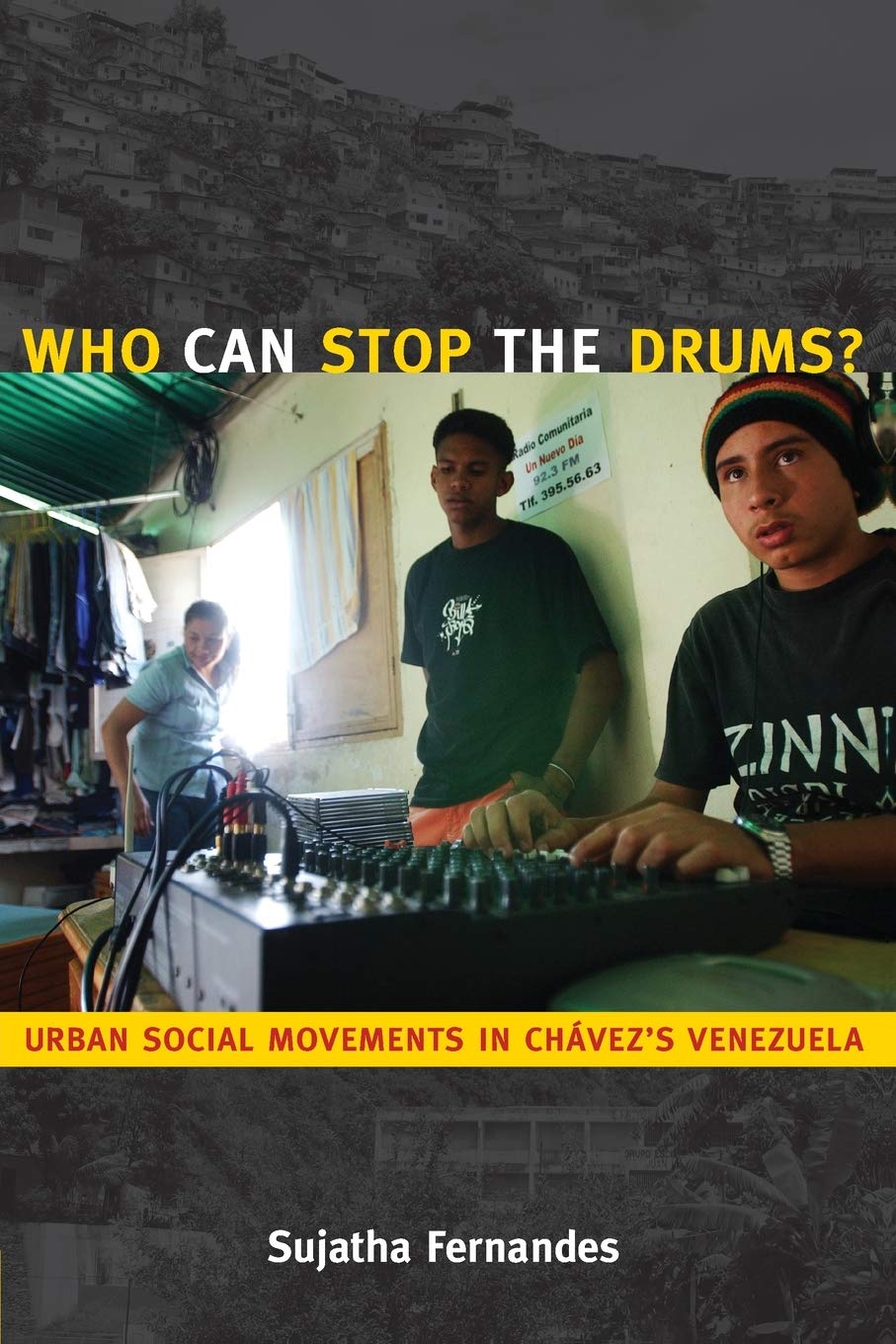
In this vivid ethnography of social movements in the barrios, or poor shantytowns, of Caracas, Sujatha Fernandes reveals a significant dimension of political life in Venezuela since President Hugo Chvez was elected. Fernandes traces the histories of the barrios, from the guerrilla insurgency, movements against displacement, and cultural resistance of the 1960s and 1970s, through the debt crisis of the early 1980s and the neoliberal reforms that followed, to the Chvez period. She weaves barrio residents life stories into her account of movements for social and economic justice. Who Can Stop the Drums? demonstrates that the transformations under way in Venezuela are shaped by negotiations between the Chvez government and social movements with their own forms of historical memory, local organization, and consciousness.Fernandes portrays everyday life and politics in the shantytowns of Caracas through accounts of communitybased radio, barrio assemblies, and popular fiestas, and the many interviews she conducted with activists and government officials. Most of the barrio activists she presents are Chvez supporters. They see the leftist president as someone who understands their precarious lives and has made important changes to the state system to redistribute resources. Yet they must balance receiving state resources, which are necessary to fund their communitybased projects, with their desire to retain a sense of agency. Fernandes locates the struggles of the urban poor within Venezuelas transition from neoliberalism to what she calls postneoliberalism. She contends that in contemporary Venezuela we find a hybrid state; while Chvez is actively challenging neoliberalism, the state remains subject to the constraints and logics of global capital.
⚠️ WARNING (California Proposition 65):
This product may contain chemicals known to the State of California to cause cancer, birth defects, or other reproductive harm.
For more information, please visit www.P65Warnings.ca.gov.