
Title
Who Owns The Stock?: Collective And Multiple Property Rights In Animals (Integration And Conflict Studies, 5),Used
Sold by Ergodebooks, an authorized reseller.
Returns accepted within 30 days | support@ergodebooks.com
Shipping Information
- Free Standard Shipping — United States only
- Processing Time: 3–5 business days
- Estimated Delivery: 6–10 business days after dispatch
- Double-boxed, fully insured & discreetly packaged
- Tracking number sent via email once dispatched
Returns & Refund
Returns accepted within 30 days of delivery.
Damaged or Defective Item
Free return shipping + replacement or full refund
Wrong Item Received
Free return shipping + replacement or full refund
Change of Mind
Return shipping at customer's expense · 25% restocking fee applies
Payment Option

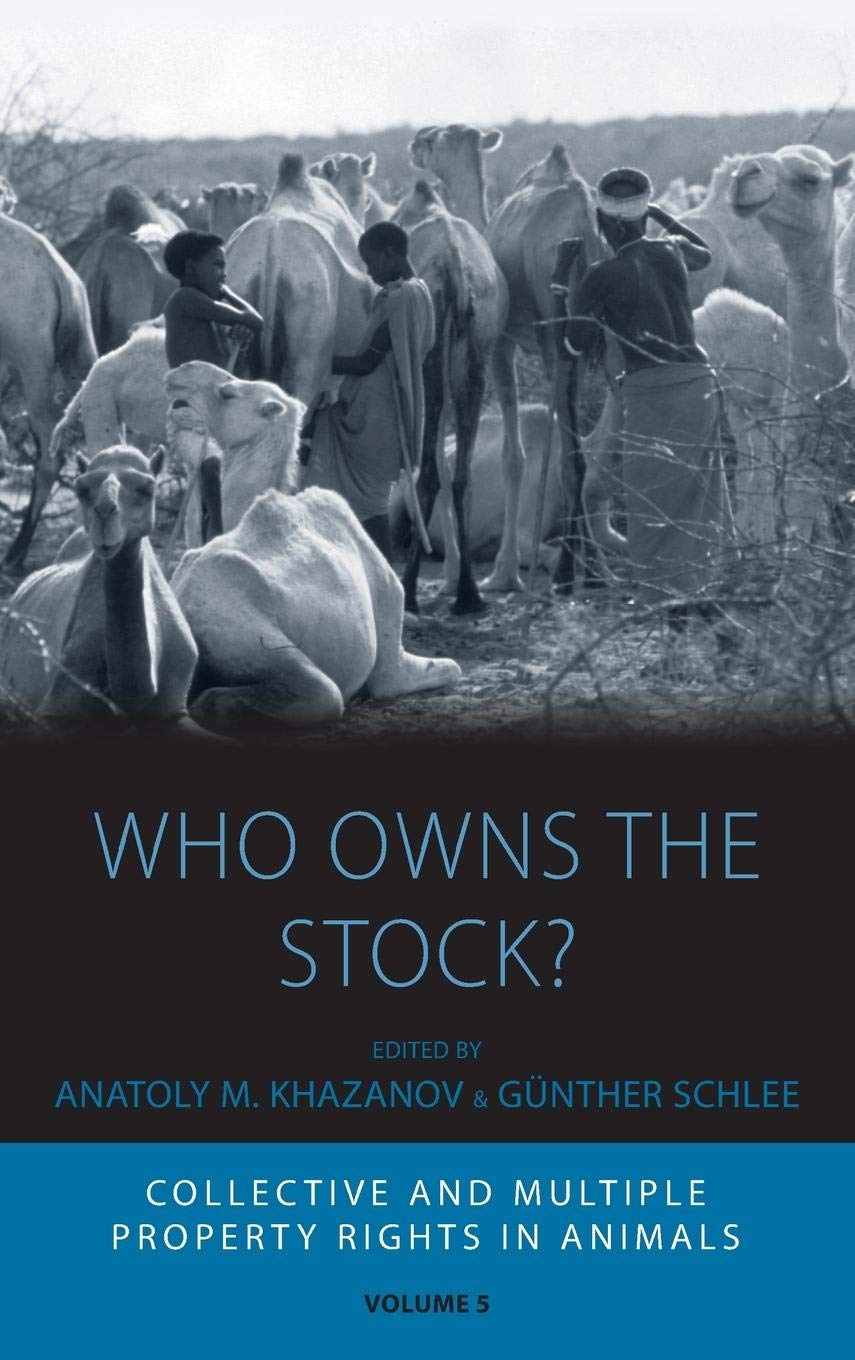
The Issue Of Collective And Multiple Property Rights In Animals, Such As Cattle, Camels Or Reindeers, Among Pastoralists Has Never Been A Subject Of Special Crosscultural And Comparative Study. Focusing On Pastoralist Societies In East And West Africa, The Far North And Siberia, And The Eurasian Steppes, This Volume Addresses The Issue Of Property Rights And The Changes These Societies Have Undergone Due To The Direct Or Indirect Influence Of Modernization And Globalization Processes. The Contributors Also Investigate The Interplay Of Older Sets Of Rights And Modern Marketing Policies; Political, Ecological And Economic Effects Of Collectivization And Decollectivization; The Existence Of Collective And Private Property In The Soviet Union And Its Successor States; State Taxation And Destocking Measures In African Dry Lands; And The Effects Of Quarantine, As Well As Import And Export Regulations. The Rich And Wellresearched Ethnographic, Historical, And Economic Data In These Chapters Provides New Theoretical Insights Into The Matter Of Property Rights In Animals.
⚠️ WARNING (California Proposition 65):
This product may contain chemicals known to the State of California to cause cancer, birth defects, or other reproductive harm.
For more information, please visit www.P65Warnings.ca.gov.
- Q: What is the page count of this book? A: This book contains three hundred forty-two pages. It provides extensive insights into collective and multiple property rights in animals.
- Q: What is the binding type of this book? A: The binding type is hardcover. This durable format is suitable for extensive use and preservation.
- Q: Who is the author of this book? A: The author is Anatoly M. Khazanov. He is known for his research in anthropology and property rights.
- Q: What topics does this book cover? A: The book covers collective and multiple property rights in animals. It discusses the impact of modernization and globalization on pastoralist societies.
- Q: What are the dimensions of this book? A: The dimensions are six inches in length, zero point eighty-three inches in width, and nine point zero two inches in height. These measurements make it a convenient size for reading.
- Q: Is this book suitable for academic study? A: Yes, this book is suitable for academic study. It presents well-researched ethnographic, historical, and economic data.
- Q: How should I store this hardcover book? A: Store the book upright in a cool, dry place. Avoid exposure to direct sunlight to prevent fading.
- Q: Can I read this book if I'm new to the subject? A: Yes, beginners can read this book. It provides foundational insights into complex property rights issues.
- Q: What care is needed for this book? A: Care for the book includes keeping it clean and dust-free. Use a soft cloth to gently wipe the cover.
- Q: Is this book appropriate for all ages? A: Yes, this book is appropriate for all ages. However, it is recommended for readers interested in social sciences.
- Q: How does this book compare to other social science texts? A: This book offers a unique comparative study of property rights in animals, which is often overlooked in social science literature.
- Q: What if the book arrives damaged? A: If the book arrives damaged, contact the seller for a return or replacement. Ensure you have your order details ready.
- Q: Does this book include case studies? A: Yes, the book includes various case studies from pastoralist societies in East and West Africa, Siberia, and the Eurasian steppes.
- Q: Is there a glossary in this book? A: Yes, the book includes a glossary. This aids readers in understanding specialized terminology related to property rights.
- Q: What is the main focus of the book? A: The main focus is on the interplay of collective and private property rights among pastoralists. It examines historical and modern influences.
- Q: Can I find references for further reading? A: Yes, the book includes references for further reading. This allows readers to explore related topics in more depth.