
Title
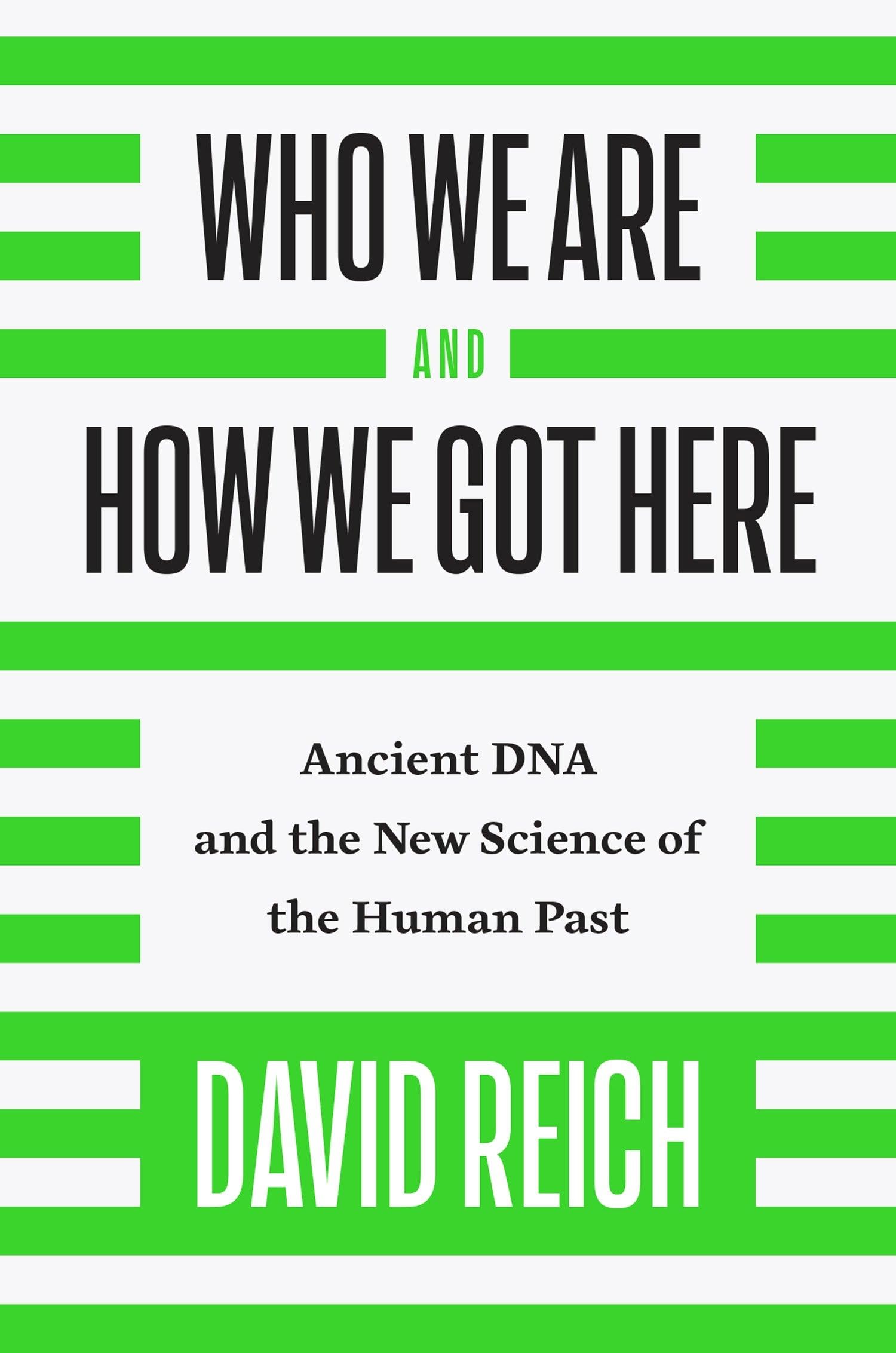
Who We Are and How We Got Here: Ancient DNA and the New Science of the Human Past,New
Sold by Ergodebooks, an authorized reseller.
Returns accepted within 30 days | support@ergodebooks.com
Shipping Information
- Free Standard Shipping — United States only
- Processing Time: 3–5 business days
- Estimated Delivery: 6–10 business days after dispatch
- Double-boxed, fully insured & discreetly packaged
- Tracking number sent via email once dispatched
Returns & Refund
Returns accepted within 30 days of delivery.
Damaged or Defective Item
Free return shipping + replacement or full refund
Wrong Item Received
Free return shipping + replacement or full refund
Change of Mind
Return shipping at customer's expense · 25% restocking fee applies
Payment Option

A groundbreaking book about how ancient DNA has profoundly changed our understanding of human history.Geneticists like David Reich have made astounding advances in the field of genomics, which is proving to be as important as archeology, linguistics, and written records as a means to understand our ancestry.In Who We Are and How We Got Here, Reich allows readers to discover how the human genome provides not only all the information a human embryo needs to develop but also the hidden story of our species. Reich delves into how the genomic revolution is transforming our understanding of modern humans and how DNA studies reveal deep inequalities among different populations, between the sexes, and among individuals. Provocatively, Reich?s book suggests that there might very well be biological differences among human populations but that these differences are unlikely to conform to common stereotypes.Drawing upon revolutionary findings and unparalleled scientific studies, Who We Are and How We Got Here is a captivating glimpse into humankindwhere we came from and what that says about our lives today.
⚠️ WARNING (California Proposition 65):
This product may contain chemicals known to the State of California to cause cancer, birth defects, or other reproductive harm.
For more information, please visit www.P65Warnings.ca.gov.
- Q: What is the page count of the book? A: This book has three hundred sixty-eight pages. It provides a comprehensive exploration of ancient DNA and human history.
- Q: What is the binding type of this book? A: The book is bound in hardcover. This ensures durability and a premium feel for readers.
- Q: What are the dimensions of the book? A: The book measures six point three inches in length, one point two inches in width, and nine point six one inches in height. These dimensions make it a convenient size for reading.
- Q: Who is the author of this book? A: The author is David Reich, a prominent geneticist. His expertise in genomics significantly informs the content of this book.
- Q: What genre does this book belong to? A: This book is categorized under genetics. It delves into the intersection of ancient DNA and human ancestry.
- Q: Is this book suitable for beginners in genetics? A: Yes, the book is suitable for beginners. It presents complex ideas in an accessible manner, making it engaging for a general audience.
- Q: How do I approach reading this book? A: You can read this book at your own pace. It’s structured to allow readers to absorb the scientific concepts without prior knowledge.
- Q: Is this book appropriate for children? A: No, this book is not specifically targeted at children. It contains advanced concepts that may be challenging for younger readers.
- Q: How should I store this book? A: Store it in a cool, dry place on a bookshelf. Keeping it upright will help maintain its shape and condition.
- Q: Can I lend this book to someone else? A: Yes, you can lend this book. Just ensure that it is returned in good condition to maintain its quality.
- Q: What if the book arrives damaged? A: You should contact the seller for a return or exchange. Many retailers have policies in place for damaged items.
- Q: Is there a warranty for this book? A: Typically, there is no warranty for books. However, check with the retailer for their specific return policies.
- Q: What if I have questions about the content? A: You can seek online resources or forums dedicated to genetics. Many readers engage in discussions to clarify complex topics.
- Q: Is there a glossary of terms in the book? A: No, the book does not include a glossary. However, the author explains key terms within the context of the chapters.
- Q: How is this book different from other genetics books? A: This book uniquely combines ancient DNA research with contemporary genetic studies, offering a fresh perspective on human history.
- Q: What are the key themes discussed in the book? A: The key themes include the implications of ancient DNA on understanding human ancestry and biological differences among populations.