
Title
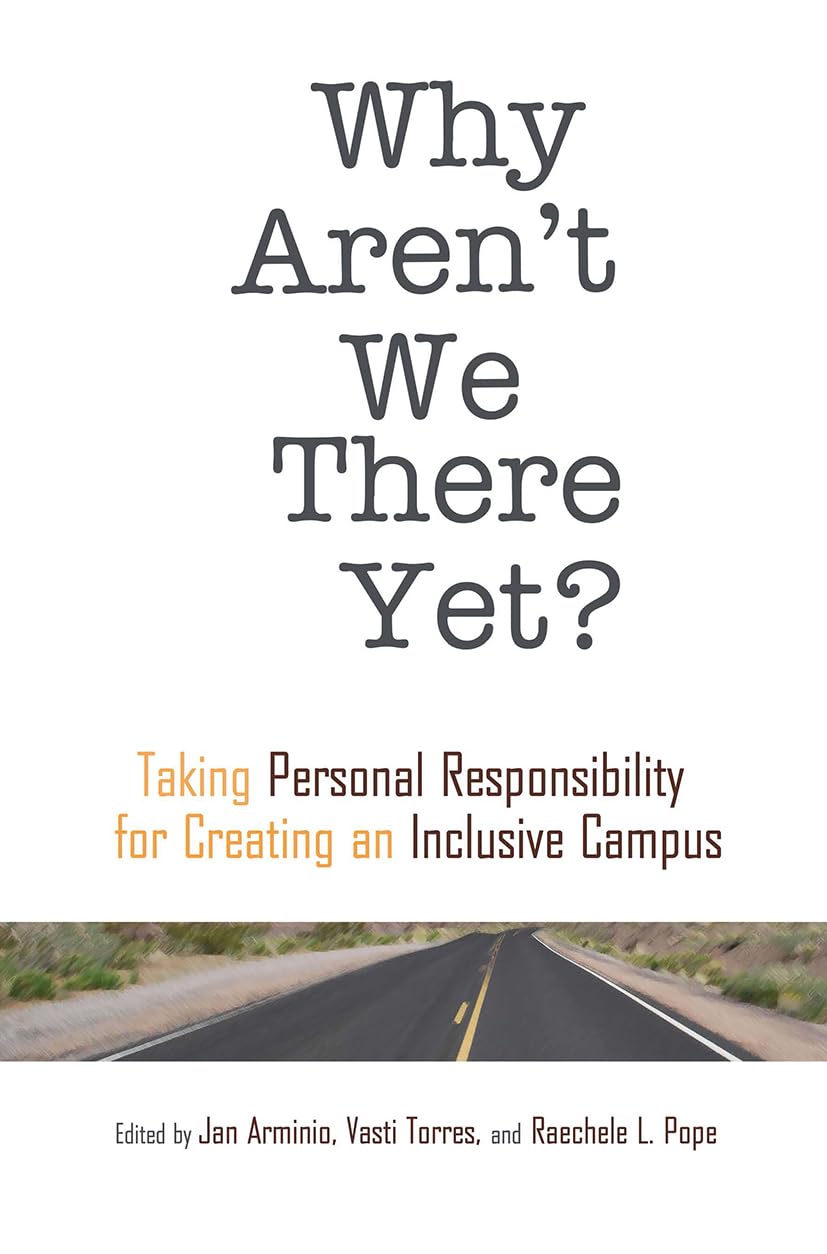
Why Aren't We There Yet? (An ACPA CoPublication),Used
Sold by Ergodebooks, an authorized reseller.
Returns accepted within 30 days | support@ergodebooks.com
Shipping Information
- Free Standard Shipping — United States only
- Processing Time: 3–5 business days
- Estimated Delivery: 6–10 business days after dispatch
- Double-boxed, fully insured & discreetly packaged
- Tracking number sent via email once dispatched
Returns & Refund
Returns accepted within 30 days of delivery.
Damaged or Defective Item
Free return shipping + replacement or full refund
Wrong Item Received
Free return shipping + replacement or full refund
Change of Mind
Return shipping at customer's expense · 25% restocking fee applies
Payment Option

Copublished with Despite seeming endless debate and public attention given to the issue for several decades, those committed to creating welcoming and engaging campus environments for all students recognize that there is considerably more work to be done, and ask Why arent we there yet, and when will we be done? While our campuses have evolved from being exclusionary and intolerant, and publicly espouse the objectives of being welcoming, accepting, affirming, and engaging, the data on admissions, retention, and graduation clearly indicate that these goals have not been achieved.The contributors to this book seek to offer new insights to improve student affairs, emphasizing action that recognizes this is a complex and multifaceted process, and beginning with the assertion that, without recognizing the influences of privilege and inequality, we educators cannot promote truly welcoming environments. This book focuses on guiding individuals and groups through learning how to have difficult conversations that lead us to act to create more just campuses, and provides illustrations of multiple ways to respond to difficult situations. It advocates for engaging in fruitful dialogues regarding differing social identities including race, ethnicity, religion, gender, and sexual orientation, to lead readers through a process that advocates for justice, and for taking personal responsibility for contributing to the solution. The book is framed around the five elements of the process of engaging in difficult conversations that not only advocate for change but also create change: self knowledge, knowledge of and experiences with others, understanding historical and institutional contexts, understanding how to change the status quo, and transformative action.
⚠️ WARNING (California Proposition 65):
This product may contain chemicals known to the State of California to cause cancer, birth defects, or other reproductive harm.
For more information, please visit www.P65Warnings.ca.gov.
- Q: What is the main focus of the book 'Why Aren't We There Yet?' A: The book addresses the challenges of creating inclusive campus environments and emphasizes the importance of personal responsibility in fostering justice and dialogue around social identities.
- Q: Who is the author of this book? A: The author of 'Why Aren't We There Yet?' is Jan Arminio.
- Q: When was this book published? A: The book was published on February 1, 2012.
- Q: What is the page count of the book? A: The book contains 216 pages.
- Q: What type of binding does this book have? A: The book is available in a paperback binding.
- Q: Is this book suitable for educators? A: Yes, the book is tailored for educators and those involved in student affairs, focusing on improving practices for inclusivity and engagement.
- Q: What are the key themes discussed in the book? A: Key themes include privilege, inequality, difficult conversations, and transformative action towards creating just campus environments.
- Q: Does the book provide practical strategies for fostering inclusivity? A: Yes, it offers insights and illustrations on how to engage in meaningful dialogues and actions that promote inclusivity.
- Q: Is this book part of a series or co-publication? A: Yes, it is co-published with ACPA and is part of their efforts to enhance student affairs practices.
- Q: What edition of the book is available? A: The book is available in its first edition.