
Title
Why Be Good?: A Historical Introduction to Ethics,Used
Sold by Ergodebooks, an authorized reseller.
Returns accepted within 30 days | support@ergodebooks.com
Shipping Information
- Free Standard Shipping — United States only
- Processing Time: 3–5 business days
- Estimated Delivery: 6–10 business days after dispatch
- Double-boxed, fully insured & discreetly packaged
- Tracking number sent via email once dispatched
Returns & Refund
Returns accepted within 30 days of delivery.
Damaged or Defective Item
Free return shipping + replacement or full refund
Wrong Item Received
Free return shipping + replacement or full refund
Change of Mind
Return shipping at customer's expense · 25% restocking fee applies
Payment Option

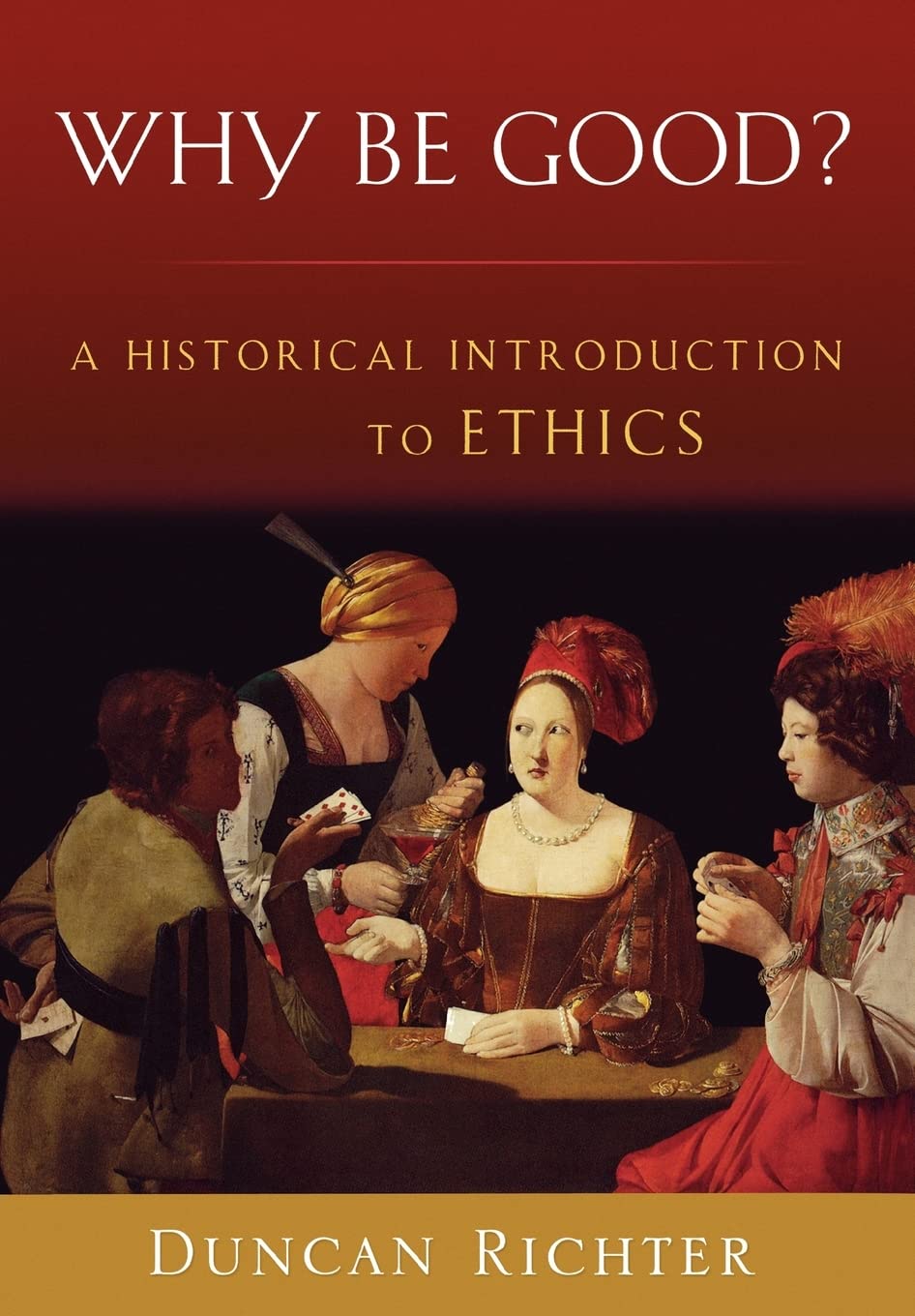
In Plato's Republic, the character Thrasymachus asks whether it is important to be morally good. He contends that the only rational policy to follow is one of strict selfinterest; if you can get away with it, why not do the 'wrong' thing? Why be good?Ideal for courses in introductory ethics or the history of ethics, Why Be Good?: A Historical Introduction to Ethics takes up Thrasymachus' immoralist challenge, using it as a unifying theme throughout. An engaging and historically organized introduction, this unique volume explores the vital question of why we should be good. Author Duncan Richter presents a series of intriguing responses from the Western philosophical tradition, offering chapters on Plato, Aristotle, prominent thinkers in Christianity, Aquinas, Hobbes, Hume, Kant, Mill, Nietzsche, and several twentiethcentury philosophers. In each chapter, Richter focuses on the main ethical theories of the philosopher(s) discussed, explaining their ideas on ethics, virtue, and character and the objections resulting from their arguments. Each chapter builds on the concepts covered in previous chapters; this historical approach results in a debate that elucidates the various theories and helps students understand each new argument as a reaction to those that preceded it. The final chapter integrates uptodate coverage of feminist ethics; evolutionary psychology; contemporary continental philosophers (Derrida in particular); and analytic virtue ethics since Wittgenstein, with an emphasis on Elizabeth Anscombe, Philippa Foot, and Rosalind Hursthouse. In contrast with other books on the topic, this text treats all theories equally, including religious views.Focusing on character and virtue ethics, Why Be Good? encourages students to reflect on their own lives, on what it means to be good, and on whyand whetherthey should be good. The text is enhanced by key terms (boldfaced the first time they appear), Questions for Further Thought at the end of each chapter, and Suggestions for Further Reading throughout.
⚠️ WARNING (California Proposition 65):
This product may contain chemicals known to the State of California to cause cancer, birth defects, or other reproductive harm.
For more information, please visit www.P65Warnings.ca.gov.