If you have any questions, you are always welcome to contact us. We'll get back to you as soon as possible, withing 24 hours on weekdays.
Customer service
All questions about your order, return and delivery must be sent to our customer service team by e-mail at yourstore@yourdomain.com
Sale & Press
If you are interested in selling our products, need more information about our brand or wish to make a collaboration, please contact us at press@yourdomain.com
Help
If you have any questions, you are always welcome to contact us. We'll get back to you as soon as possible, withing 24 hours on weekdays.
Customer service
All questions about your order, return and delivery must be sent to our customer service team by e-mail at yourstore@yourdomain.com
Sale & Press
If you are interested in selling our products, need more information about our brand or wish to make a collaboration, please contact us at press@yourdomain.com
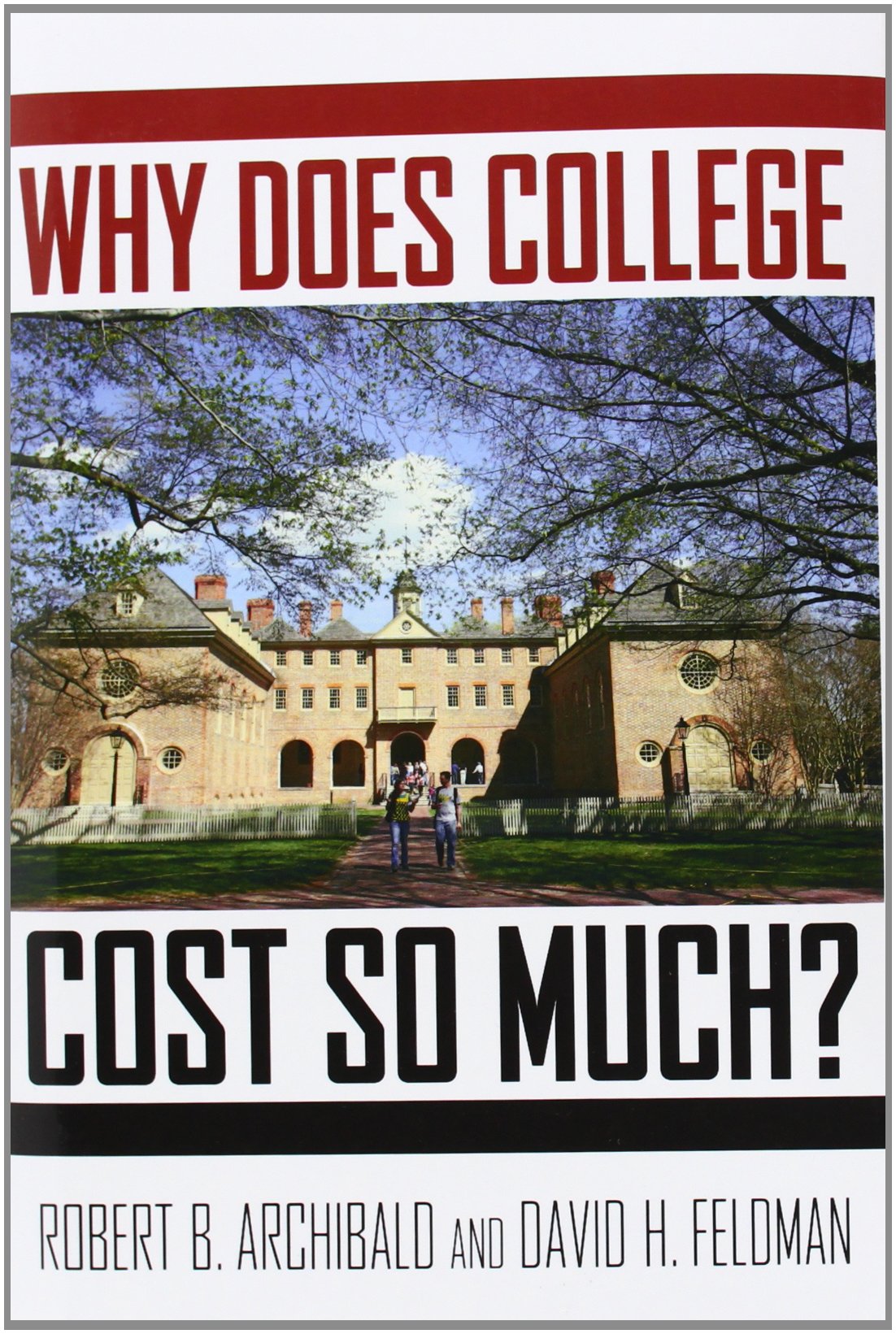
Much of what is written about colleges and universities ties rapidly rising tuition to dysfunctional behavior in the academy. Common targets of dysfunction include prestige games among universities, gold plated amenities, and bloated administration. This book offers a different view. To explain rising college cost, the authors place the higher education industry firmly within the larger economic history of the United States. The trajectory of college cost is similar to cost behavior in many other industries, and this is no coincidence. Higher education is a personal service that relies on highly educated labor. A technological trio of broad economic forces has come together in the last thirty years to cause higher education costs, and costs in many other industries, to rise much more rapidly than the inflation rate. The main culprit is economic growth itself.This finding does not mean that all is well in American higher education. A college education has become less reachable to a broad swathe of the American public at the same time that the market demand for highly educated people has soared. This affordability problem has deep roots. The authors explore how cost pressure, the changing wage structure of the US economy, and the complexity of financial aid policy combine to reduce access to higher education below what we need in the 21st century labor market.This book is a call to calm the rhetoric of blame and to instead find policies that will increase access to higher education while preserving the quality of our colleges and universities.
⚠️ WARNING (California Proposition 65):
This product may contain chemicals known to the State of California to cause cancer,
birth defects, or other reproductive harm.
For MAP (Minimum Advertised Price) violations and Intellectual Property (IP) or Trademark concerns, please contact:
support@ergodebooks.com
⚠️ California Proposition 65 Warning: Some products sold on this website may expose you to chemicals known to the State of California to cause cancer, birth defects, or other reproductive harm. For more information, visit www.P65Warnings.ca.gov.