
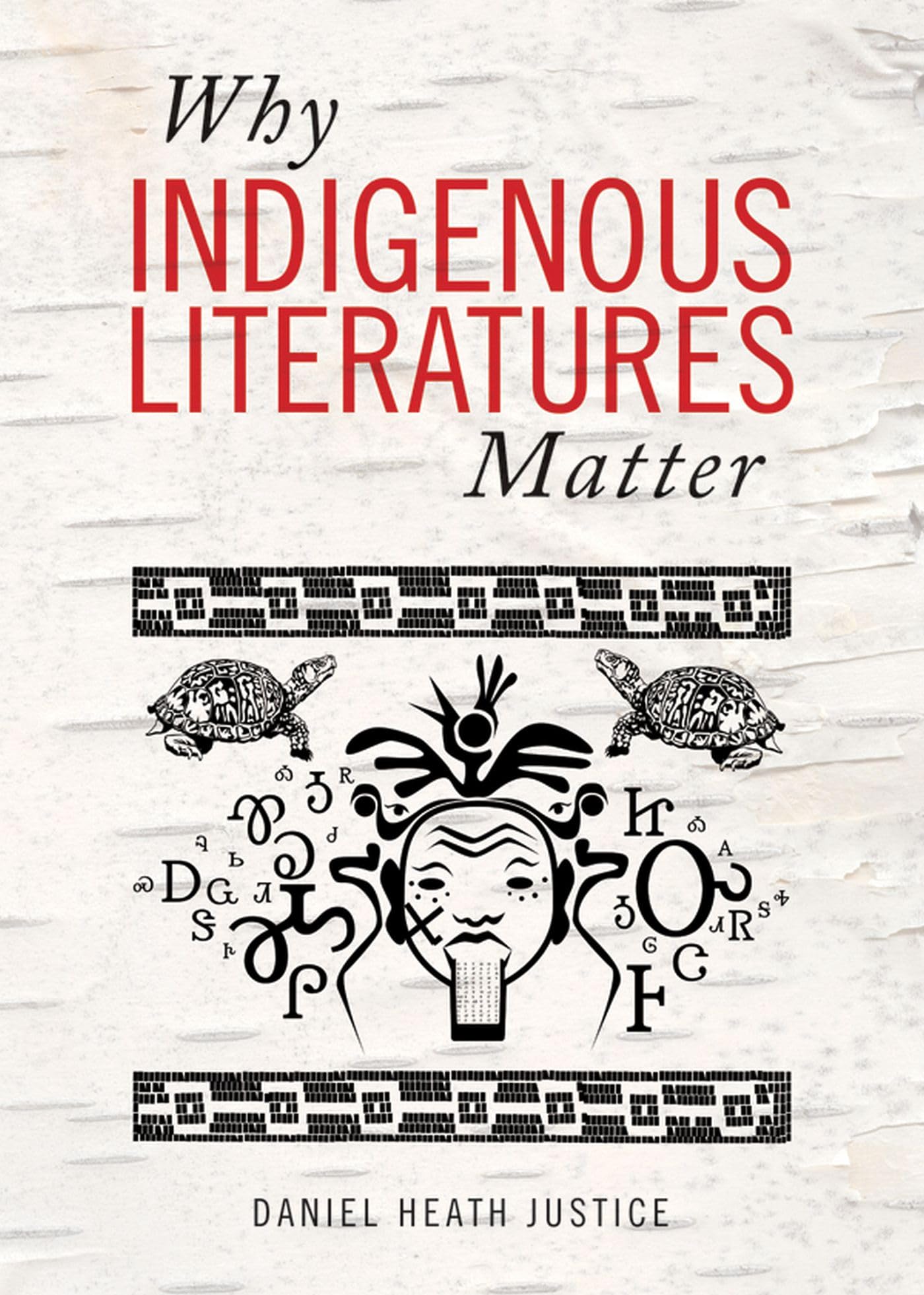
Title
Why Indigenous Literatures Matter (Indigenous Studies),Used
Sold by Ergodebooks, an authorized reseller.
Returns accepted within 30 days | support@ergodebooks.com
Shipping Information
- Free Standard Shipping — United States only
- Processing Time: 3–5 business days
- Estimated Delivery: 6–10 business days after dispatch
- Double-boxed, fully insured & discreetly packaged
- Tracking number sent via email once dispatched
Returns & Refund
Returns accepted within 30 days of delivery.
Damaged or Defective Item
Free return shipping + replacement or full refund
Wrong Item Received
Free return shipping + replacement or full refund
Change of Mind
Return shipping at customer's expense · 25% restocking fee applies
Payment Option

Winner, PROSE Awards 2019Shortlisted, ACQL Gabrielle Roy Prize for Literary Criticism 2018Winner, NAISA Award Best Subsequent Book 2018Part survey of the field of Indigenous literary studies, part cultural history, and part literary polemic, Why Indigenous Literatures Matter asserts the vital significance of literary expression to the political, creative, and intellectual efforts of Indigenous peoples today.In considering the connections between literature and lived experience, this book contemplates four key questions at the heart of Indigenous kinship traditions: How do we learn to be human? How do we become good relatives? How do we become good ancestors? How do we learn to live together? Blending personal narrative and broader historical and cultural analysis with close readings of key creative and critical texts, Justice argues that Indigenous writers engage with these questions in part to challenge settlercolonial policies and practices that have targeted Indigenous connections to land, history, family, and self. More importantly, Indigenous writers imaginatively engage the many ways that communities and individuals have sought to nurture these relationships and project them into the future.This provocative volume challenges readers to critically consider and rethink their assumptions about Indigenous literature, history, and politics while never forgetting the emotional connections of our shared humanity and the power of story to effect personal and social change. Written with a generalist reader firmly in mind but addressing issues of interest to specialists in the field, this book welcomes new audiences to Indigenous literary studies while offering more seasoned readers a renewed appreciation for these transformative literary traditions.Selected as an Equity, Justice, and Inclusion Community Read by the Association of University Presses.
⚠️ WARNING (California Proposition 65):
This product may contain chemicals known to the State of California to cause cancer, birth defects, or other reproductive harm.
For more information, please visit www.P65Warnings.ca.gov.
- Q: How many pages does this book have? A: This book has two hundred sixty pages. It provides a comprehensive exploration of Indigenous literary studies.
- Q: What is the binding type of this book? A: This book is paperback. The paperback binding makes it lightweight and portable for easy reading.
- Q: What are the dimensions of this book? A: The dimensions of this book are five point twenty-five inches in length, zero point seventy-five inches in width, and eight inches in height.
- Q: Who is the author of this book? A: The author of this book is Daniel Heath Justice. He is recognized for his contributions to Indigenous literary studies.
- Q: What is the genre of this book? A: This book falls under the genre of Indigenous Studies. It combines literary critique with cultural history.
- Q: Is this book suitable for general readers? A: Yes, this book is suitable for general readers. It is written with a generalist audience in mind while still engaging specialists.
- Q: What key themes does this book address? A: This book addresses themes of Indigenous kinship traditions and the importance of literary expression. It explores how literature relates to lived experiences.
- Q: How can I apply the insights from this book? A: You can apply insights from this book by reflecting on its exploration of human relationships and community. It encourages readers to rethink assumptions about Indigenous issues.
- Q: Is this book appropriate for academic studies? A: Yes, this book is appropriate for academic studies. It offers valuable perspectives for both newcomers and seasoned scholars in the field.
- Q: How should I care for this paperback book? A: To care for this paperback book, keep it in a dry place and avoid exposure to direct sunlight to prevent fading.
- Q: Can I find this book in libraries? A: Yes, this book is likely available in libraries, especially those with Indigenous studies or literary criticism sections.
- Q: What if I receive a damaged copy of this book? A: If you receive a damaged copy, contact the seller for a return or exchange. Most retailers have policies for damaged items.
- Q: Are there other books similar to this one? A: Yes, there are many books similar to this one that explore Indigenous literature and cultural themes. Consider titles by other Indigenous authors.
- Q: Is this book recognized by any awards? A: Yes, this book has won several awards, including the PROSE Award in 2019 and the NAISA Award for Best Subsequent Book in 2018.
- Q: What audience is this book intended for? A: This book is intended for a diverse audience, including general readers and professionals in Indigenous studies and literary criticism.