
Title
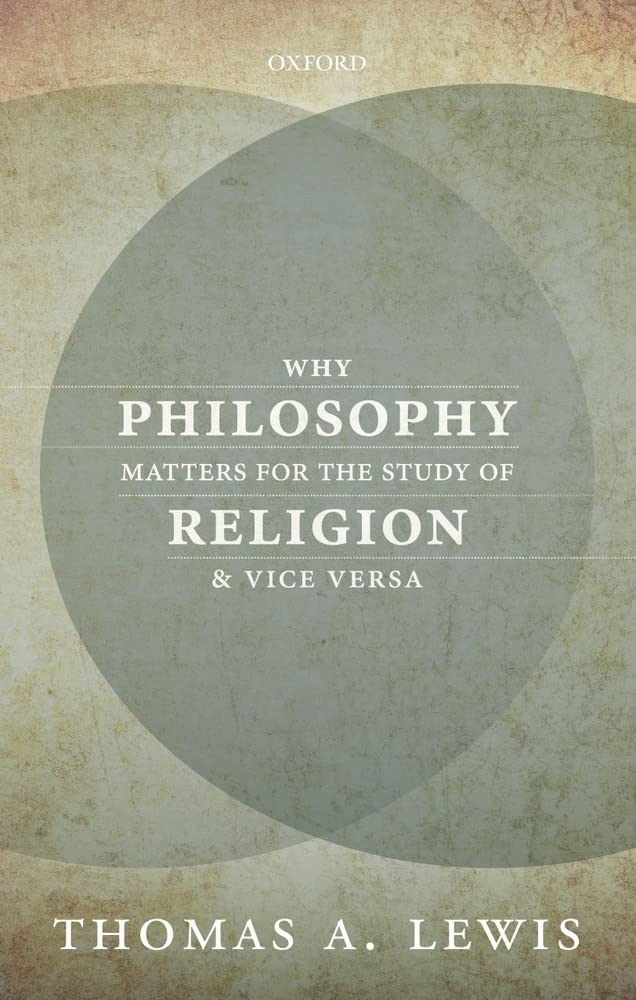
Why Philosophy Matters for the Study of Religionand Vice Versa,Used
Sold by Ergodebooks, an authorized reseller.
Returns accepted within 30 days | support@ergodebooks.com
Shipping Information
- Free Standard Shipping — United States only
- Processing Time: 3–5 business days
- Estimated Delivery: 6–10 business days after dispatch
- Double-boxed, fully insured & discreetly packaged
- Tracking number sent via email once dispatched
Returns & Refund
Returns accepted within 30 days of delivery.
Damaged or Defective Item
Free return shipping + replacement or full refund
Wrong Item Received
Free return shipping + replacement or full refund
Change of Mind
Return shipping at customer's expense · 25% restocking fee applies
Payment Option

Work in philosophy of religion is still strongly marked by an excessive focus on Christianity and, to a lesser extent, Judaism almost to the exclusion of other religious traditions. Moreover, in many cases it has been confined to a narrow set of intellectual problems, without embedding these in their larger social, historical, and practical contexts. Why Philosophy Matters for the Study of Religionand Vice Versa addresses this situation through a series of interventions intended to work against the gap that exists between much scholarship in philosophy of religion and important recent developments that speak to religious studies as a whole.This volume takes up what, in recent years, has often been seen as a fundamental reason for excluding religious ethics and philosophy of religion from religious studies: their explicit normativity. Against this presupposition, Thomas A. Lewis argues that normativity is pervasivenot unique to ethics and philosophy of religionand therefore not a reason to exclude them from religious studies. Lewis bridges more philosophical and historical subfields by arguing for the importance of history to the philosophy of religion. He considers the future of religious ethics, explaining that the field as a whole should learn from the methodological developments associated with recent work in comparative religious ethics and "comparative religious ethics" should no longer be conceived as a distinct subfield. The concluding chapter engages broader, post9/11 arguments about the importance of studying religion arguing, that prominent contemporary notions of "religious literacy" actually hinder our ability to grasp religion's significance and impact in the world today.
⚠️ WARNING (California Proposition 65):
This product may contain chemicals known to the State of California to cause cancer, birth defects, or other reproductive harm.
For more information, please visit www.P65Warnings.ca.gov.