
Title
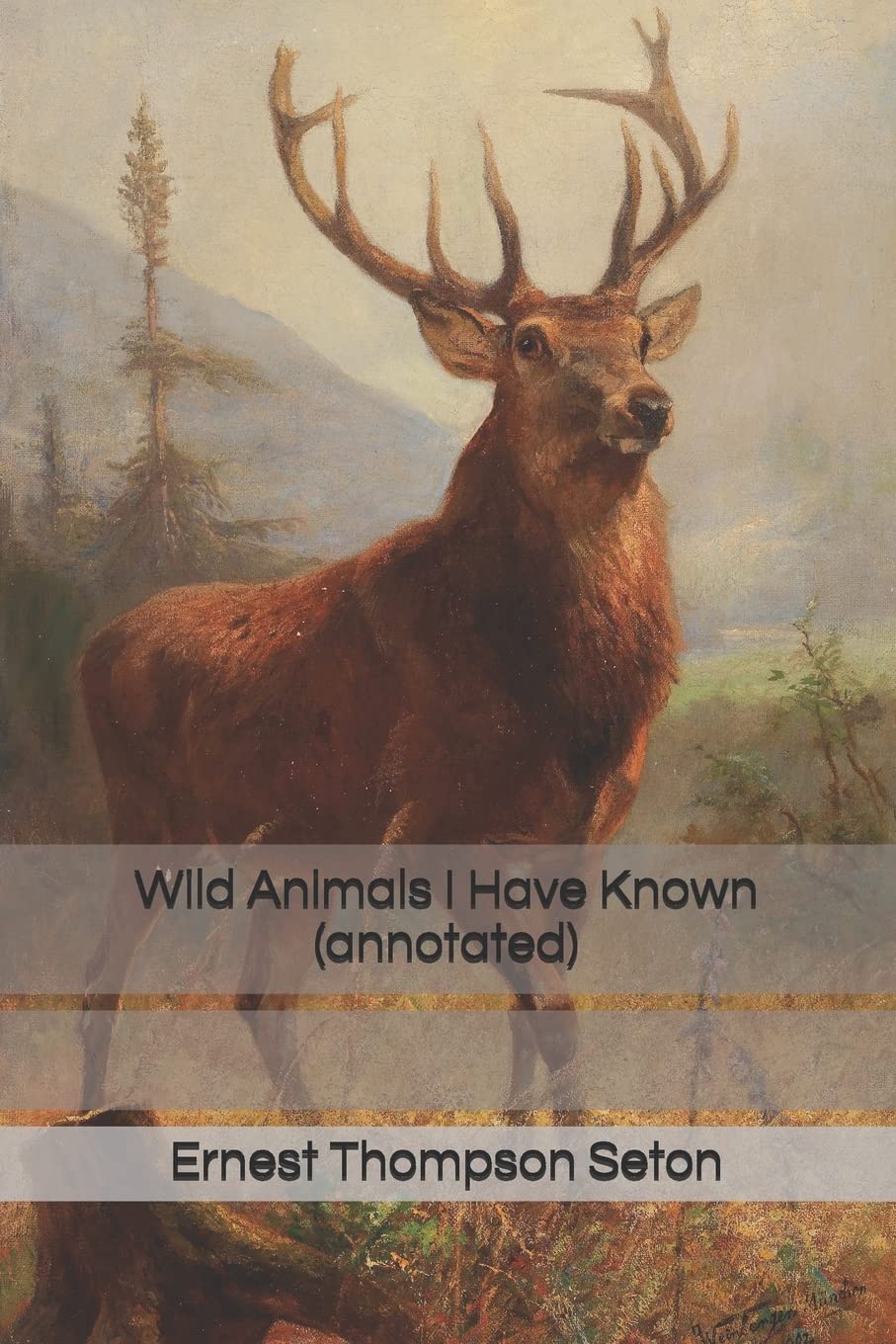
Wild Animals I Have Known (annotated),Used
Processing time: 1-3 days
US Orders Ships in: 3-5 days
International Orders Ships in: 8-12 days
Return Policy: 15-days return on defective items
Payment Option

The first entry in a new genre of realistic wildanimal fiction, Wild Animals I Have Known, Seton's first collection of short stories quickly became one of the most popular books of its day. 'Lobo the King of Currumpaw', the first story in the collection, was based upon Seton's experience hunting wolves in the southwestern United States. It became a classic, setting the tone for his future works that would similarly depict animalsespecially predators who were often demonized in literatureas compassionate, individualistic beings.Several years after its publication, Seton and his works came under fire during the nature fakers controversy, which began in 1903 when naturalist John Burroughs published an essay called 'Real and Sham Natural History' in The Atlantic Monthly. In particular Burroughs blamed Seton's collection of stories for founding the sentimental animal story genre, which he felt featured fabricated events and wild animal behaviors; he even amended the title of the collection to Wild Animals I Alone Have Known. In This Book: Lobo, the King of Currumpaw Silverspot, the Story of a Crow Raggylug, the Story of a Cottontail Rabbit Bingo, the Story of My Dog The Springfield Fox The Pacing Mustang Wully, the Story of a Yaller Dog Redruff, the Story of the Don Valley Partridge THESE STORIES are true. Although I have left the strict line of historical truth in many places, the animals in this book were all real characters. They lived the lives I have depicted, and showed the stamp of heroism and personality more strongly by far than it has been in the power of my pen to tell.Ernest Thompson Seton (born Ernest Evan Thompson[1] August 14, 1860 died October 23, 1946) was an author (published in the United Kingdom, Canada, and the US), wildlife artist, founder of the Woodcraft Indians in 1902 (renamed Woodcraft League of America) and one of the founding pioneers of the Boy Scouts of America (BSA) in 1910. Seton also influenced Lord BadenPowell, the founder of Scouting. His notable books related to Scouting include The Birch Bark Roll and the Boy Scout Handbook. He is responsible for the appropriation and incorporation of what he believed to be American Indian elements into the traditions of the BSA.Seton was born in South Shields, County Durham (now part of South Tyneside, Tyne and Wear), England of Scottish parents. His family emigrated to Canada in 1866. Most of his childhood was spent in Toronto, Ontario and known to have lived at 6 Aberdeen Avenue in Cabbagetown. As a youth, he retreated to the woods of the Don River to draw and study animals as a way of avoiding his abusive father. He won a scholarship in art to the Royal Academy in London, England.[2]On his twentyfirst birthday, Seton's father presented him with an invoice for all the expenses connected with his childhood and youth, including the fee charged by the doctor who delivered him. He paid the bill, but never spoke to his father again.He changed his name to Ernest Thompson Seton, believing that Seton had been an important family name. He became successful as a writer, artist and naturalist, and moved to New York City to further his career. Seton later lived at Wyndygoul, an estate that he built in Cos Cob, a section of Greenwich, Connecticut. After experiencing vandalism by the local youth, Seton invited them to his estate for a weekend where he told them what he claimed were stories of the American Indians and of nature.He formed the Woodcraft Indians in 1902 and invited the local youth to join. Despite the name, the group was made up of nonnative boys and girls. The stories became a series of articles written for the Ladies Home Journal, and were eventually collected in The Birch Bark Roll of the Woodcraft Indians in 1906. Shortly after, the Woodcraft Indians evolved into the Woodcraft Rangers.
⚠️ WARNING (California Proposition 65):
This product may contain chemicals known to the State of California to cause cancer, birth defects, or other reproductive harm.
For more information, please visit www.P65Warnings.ca.gov.