
Title
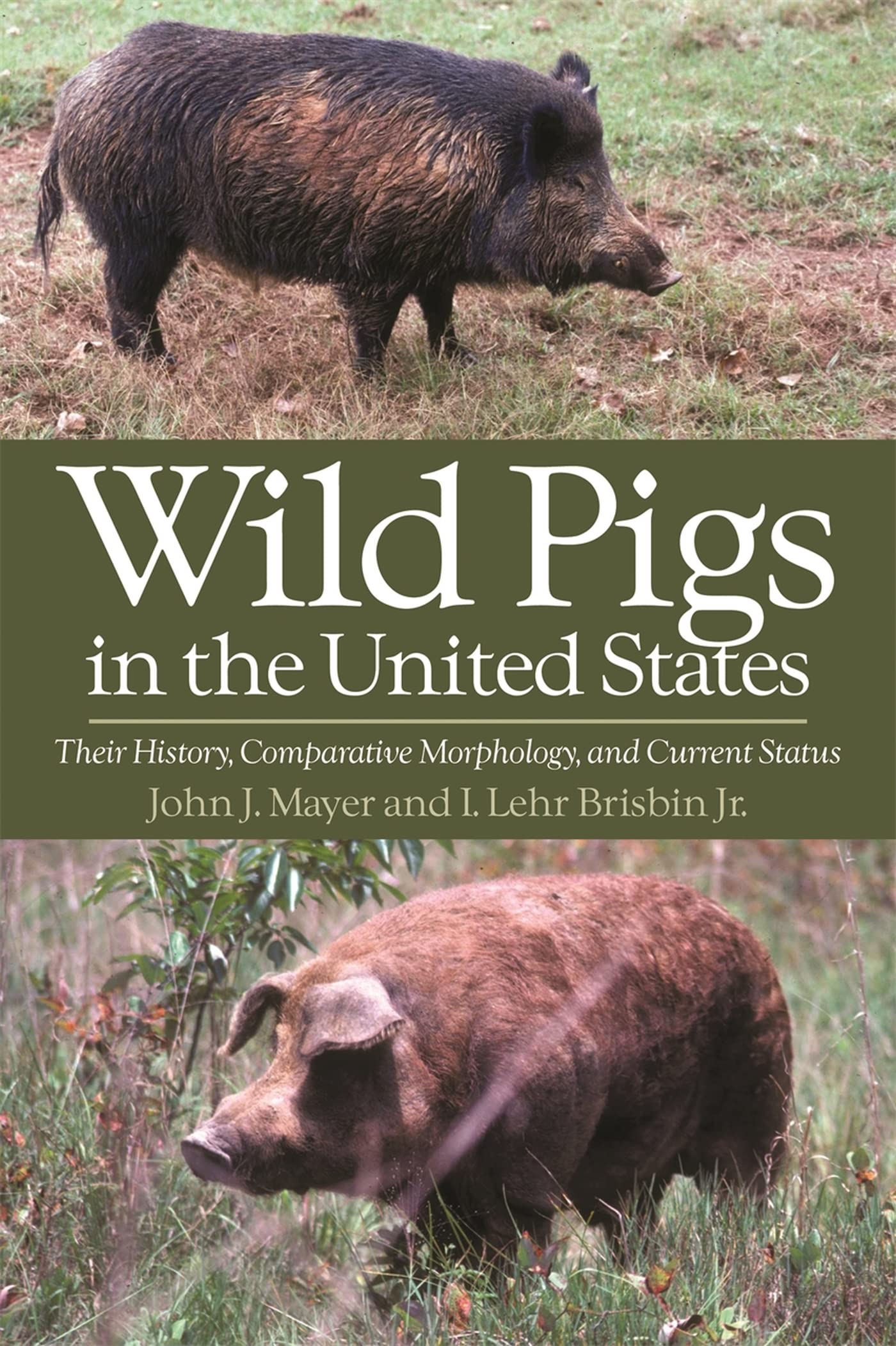
Wild Pigs In The United States: Their History, Comparative Morphology, And Current Status
Sold by Ergodebooks, an authorized reseller.
Returns accepted within 30 days | support@ergodebooks.com
Shipping Information
- Free Standard Shipping — United States only
- Processing Time: 3–5 business days
- Estimated Delivery: 6–10 business days after dispatch
- Double-boxed, fully insured & discreetly packaged
- Tracking number sent via email once dispatched
Returns & Refund
Returns accepted within 30 days of delivery.
Damaged or Defective Item
Free return shipping + replacement or full refund
Wrong Item Received
Free return shipping + replacement or full refund
Change of Mind
Return shipping at customer's expense · 25% restocking fee applies
Payment Option

With An Estimated Population Of At Least 500,000 Distributed Across Nineteen States, The Wildliving Pig (Sus Scrofa) Is The Most Abundant Freeranging Introduced Ungulate In The United States. Until Now, However, Little Has Been Known About The Wild Pig On A National Scale, Despite Its Abundance And Significance As Both A Pest And A Game Animal. Whereas Previous Studies Have Been Regional In Scope, Wild Pigs In The United States Is The Most Comprehensive Work Available On Wild Pig History, Current Status, Comparative Morphology, And Other Subjects Important To The Species' Management And Control.The Information In This Volume Relates To The Country'S Three Prevalent Wild Pig Types: The Introduced Eurasian Wild Boar, The Feral (Once Domestic, Now Wild) Hog, And Hybrids Of The Two. The First Section Of The Book Presents A History Of Wild Pigs In This Countrytheir Origins; When, Where, And By Whom They Were First Introduced; And Their Subsequent Dispersal.John J. Mayer And I. Lehr Brisbin, Jr. Then Develop Specific Criteria, Based On Taxonomic Principles, For Differentiating Between The Wild Pig Types. Employing Numerous Illustrations, Graphs, And Tables, They Analyze And Compare Morphometric And Discrete Characters Of The Skull, External Body Dimensions And Proportions, Coat Colorations Patterns, And Hair Structure And Form.A Report On The Status Of Wild Pig Populations In The United States (As Of 1991) Completes The Volume. To Profile The Present Ranges, Habitats, And Morphotypic Makeups Of Wild Pigs, The Authors Conducted Two National Surveysin 1981 And 1988Among Private Individuals And Federal And State Personnel. Their Report Is Also Based On Other Recent Wild Pig Studies And Additional Information From Survey Respondents. The Book'S Reference Section Is Particularly Valuable, For Its Lists All Sources Consulted As Well As The Names And Addresses Of Authorities The Authors Interviewed Or With Whom They Corresponded.Aided By The Book'S Wealth Of Current Data, Biologists And Wildlife Managers Can Make Informed Decisions About Such Issues As State Versus Private Ownership Of Wild Pig Populations And The Status Of Wild Pigs As Pests Or Game Animals. In Addition, Hunters And Sportsmen, Zoologists, And Even Specialized Historians And Archaeologists Will Find Wild Pigs In The United States Useful And Informative.
⚠️ WARNING (California Proposition 65):
This product may contain chemicals known to the State of California to cause cancer, birth defects, or other reproductive harm.
For more information, please visit www.P65Warnings.ca.gov.
- Q: How many pages does this book have? A: This book has three hundred thirty-six pages. It's a comprehensive volume covering wild pigs in the United States.
- Q: What is the binding type of this book? A: The book is paperback bound. This makes it lightweight and easy to handle for reading.
- Q: What are the dimensions of the book? A: The book measures six inches in length, zero point seventy-five inches in width, and nine point zero two inches in height. These dimensions make it a standard size for easy storage.
- Q: Who is the author of this book? A: The author is John J. Mayer. He co-authored the book with I. Lehr Brisbin, Jr., contributing valuable insights into wild pig management.
- Q: What is the main topic of this book? A: The main topic is the history, morphology, and status of wild pigs in the United States. It provides in-depth knowledge about their management and control.
- Q: How can I use this book for research? A: You can use this book as a reference for wild pig studies. It includes surveys, illustrations, and a comprehensive analysis of wild pig populations.
- Q: Is this book suitable for general readers? A: Yes, this book is suitable for general readers interested in wildlife. It is informative for biologists, wildlife managers, and even casual readers.
- Q: Can this book help with wildlife management decisions? A: Yes, the book provides data to help make informed decisions regarding wild pig populations. It includes insights on their status as pests or game animals.
- Q: Is this book appropriate for students? A: Yes, it is appropriate for students studying wildlife management or biology. The content is detailed and informative for academic purposes.
- Q: How should I store this book? A: Store the book in a cool, dry place to prevent damage. Keep it upright or flat to maintain its shape and condition.
- Q: How do I clean this book if it gets dirty? A: To clean the book, gently wipe the cover with a soft, dry cloth. Avoid using water or cleaning products that might damage the pages.
- Q: What if the book arrives damaged? A: If the book arrives damaged, you should contact the seller for a return or replacement. Most sellers have policies for damaged goods.
- Q: Does this book contain illustrations? A: Yes, the book contains numerous illustrations, graphs, and tables. These visual aids help illustrate the morphological comparisons discussed.
- Q: Is this book a good gift for wildlife enthusiasts? A: Yes, it makes an excellent gift for wildlife enthusiasts. The comprehensive coverage of wild pigs will appeal to anyone interested in mammals.
- Q: Can I find references for further reading in this book? A: Yes, the book includes a valuable reference section. It lists all sources consulted and provides contacts for further inquiry.