
Title
Wild Urban Plants Of The Northeast: A Field Guide,Used
Sold by Ergodebooks, an authorized reseller.
Returns accepted within 30 days | support@ergodebooks.com
Shipping Information
- Free Standard Shipping — United States only
- Processing Time: 3–5 business days
- Estimated Delivery: 6–10 business days after dispatch
- Double-boxed, fully insured & discreetly packaged
- Tracking number sent via email once dispatched
Returns & Refund
Returns accepted within 30 days of delivery.
Damaged or Defective Item
Free return shipping + replacement or full refund
Wrong Item Received
Free return shipping + replacement or full refund
Change of Mind
Return shipping at customer's expense · 25% restocking fee applies
Payment Option

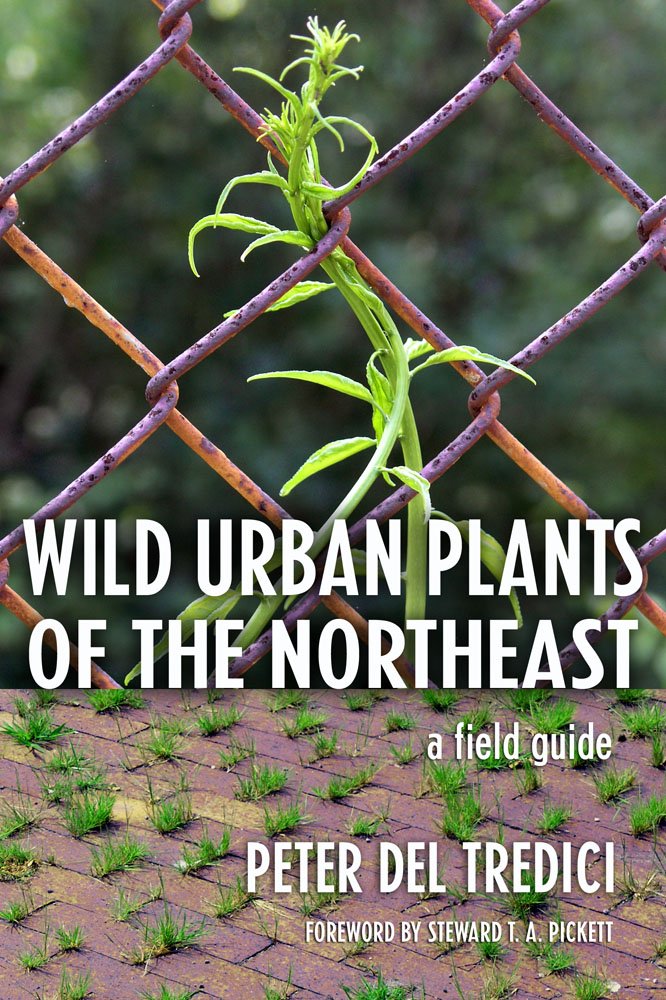
Characterized By An Abundance Of Pavement, Reflected Heat, Polluted Air And Contaminated Soil, Our Cities And Towns May Seem Harsh And Unwelcoming To Vegetation. However, There Are A Number Of Plants That Manage To Grow Spontaneously In Sidewalk Cracks And Roadside Meridians, Flourish Along Chainlink Fences And Railroad Tracks, Line The Banks Of Streams And Rivers, And Emerge In The Midst Of Landscape Plantings And Trampled Lawns. On Their Own And Free Of Charge, These Plants Provide Ecological Services Including Temperature Reduction, Oxygen Production, Carbon Storage, Food And Habitat For Wildlife, Pollution Mitigation, And Erosion Control On Slopes. Around The World, Wild Plants Help To Make Urban Environments More Habitable For People.Peter Del Tredici'S Lushly Illustrated Field Guide To Wild Urban Plants Of The Northeastern United States Is The First Of Its Kind. While It Covers The Area Bounded By Montreal, Boston, Washington, D.C. And Detroit, It Is Broadly Applicable To Temperate Urban Environments Across North America. The Book Covers 222 Species That Flourish Without Human Assistance Or Approval. Rather Than Vilifying Such Plants As Weeds, Del Tredici Stresses That It Is Important To Notice, Recognize, And Appreciate Their Contribution To The Quality Of Urban Life. Indeed Their Very Toughness In The Face Of Heat Islands, Elevated Levels Of Carbon Dioxide And Ubiquitous Contamination Is Indicative Of The Important Role They Have To Play In Helping Humans Adapt To The Challenges Presented By Urbanization, Globalization And Climate Change.The Species Accounts158 Main Entries Plus 64 Secondary Speciesfeature Descriptive Information Including Scientific Name And Taxonomic Authority, Common Names, Botanical Family, Life Form, Place Of Origin, And Identification Features. Del Tredici Focuses Especially On Their Habitat Preferences, Environmental Functions, And Cultural Significance. Each Entry Is Accompanied By Original Fullcolor Photographs By The Author Which Show The Plants' Characteristics And Growth Forms In Their Typical Habitats. Wild Urban Plants Of The Northeast Will Help Readers Learn To See These Plantsthe Natural Vegetation Of The Urban Environmentwith Fresh Appreciation And Understanding.
⚠️ WARNING (California Proposition 65):
This product may contain chemicals known to the State of California to cause cancer, birth defects, or other reproductive harm.
For more information, please visit www.P65Warnings.ca.gov.
- Q: How many pages does this book have? A: This book has three hundred ninety-two pages. It provides a comprehensive guide to wild urban plants in the Northeast.
- Q: What is the binding type of this book? A: The binding type of this book is paperback. This makes it lightweight and portable for field use.
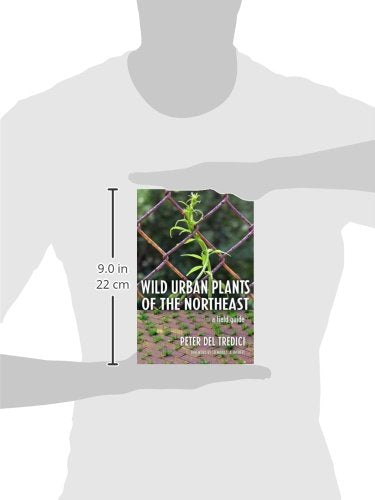
- Q: What are the dimensions of this book? A: The dimensions of this book are six inches in length, zero point seventy-five inches in width, and nine point zero two inches in height. These measurements make it easy to carry.
- Q: Who is the author of this book? A: The author of this book is Peter Del Tredici. He is an expert in urban ecology and botanical studies.
- Q: What is the main topic of 'Wild Urban Plants of the Northeast'? A: The main topic is wild urban plants found in the northeastern United States. It highlights their ecological contributions and adaptability to urban environments.
- Q: Is this book suitable for beginners in botany? A: Yes, this book is suitable for beginners. It is designed to be accessible and informative for anyone interested in urban plants.
- Q: How can I use this field guide? A: You can use this field guide to identify urban plants in your area. It includes descriptions and photographs for easy recognition.
- Q: Is this book appropriate for children? A: Yes, this book is appropriate for children with an interest in nature. However, parental guidance may enhance their understanding of the content.
- Q: What kind of plants are featured in this guide? A: The guide features two hundred twenty-two species of wild plants. It focuses on those that thrive in urban settings without human assistance.
- Q: How should I care for this book? A: To care for this book, keep it in a dry place away from direct sunlight. This will help preserve the quality of the pages and binding.
- Q: Can this book help with urban gardening? A: Yes, this book can help with urban gardening. It provides insights into plants that thrive in city environments, which can enhance your gardening efforts.
- Q: What if I receive a damaged book? A: If you receive a damaged book, contact the seller for a return or replacement. Most sellers have customer service policies for such issues.
- Q: Is there a warranty for this book? A: No, there is typically no warranty for books. However, you can check the seller's return policy for any issues.
- Q: What are the ecological benefits of urban plants discussed in this book? A: The book discusses benefits such as temperature reduction, oxygen production, and habitat for wildlife. These factors contribute to healthier urban environments.
- Q: Does this book include photographs? A: Yes, this book includes original full-color photographs. These images help illustrate the plants' characteristics in their natural habitats.