
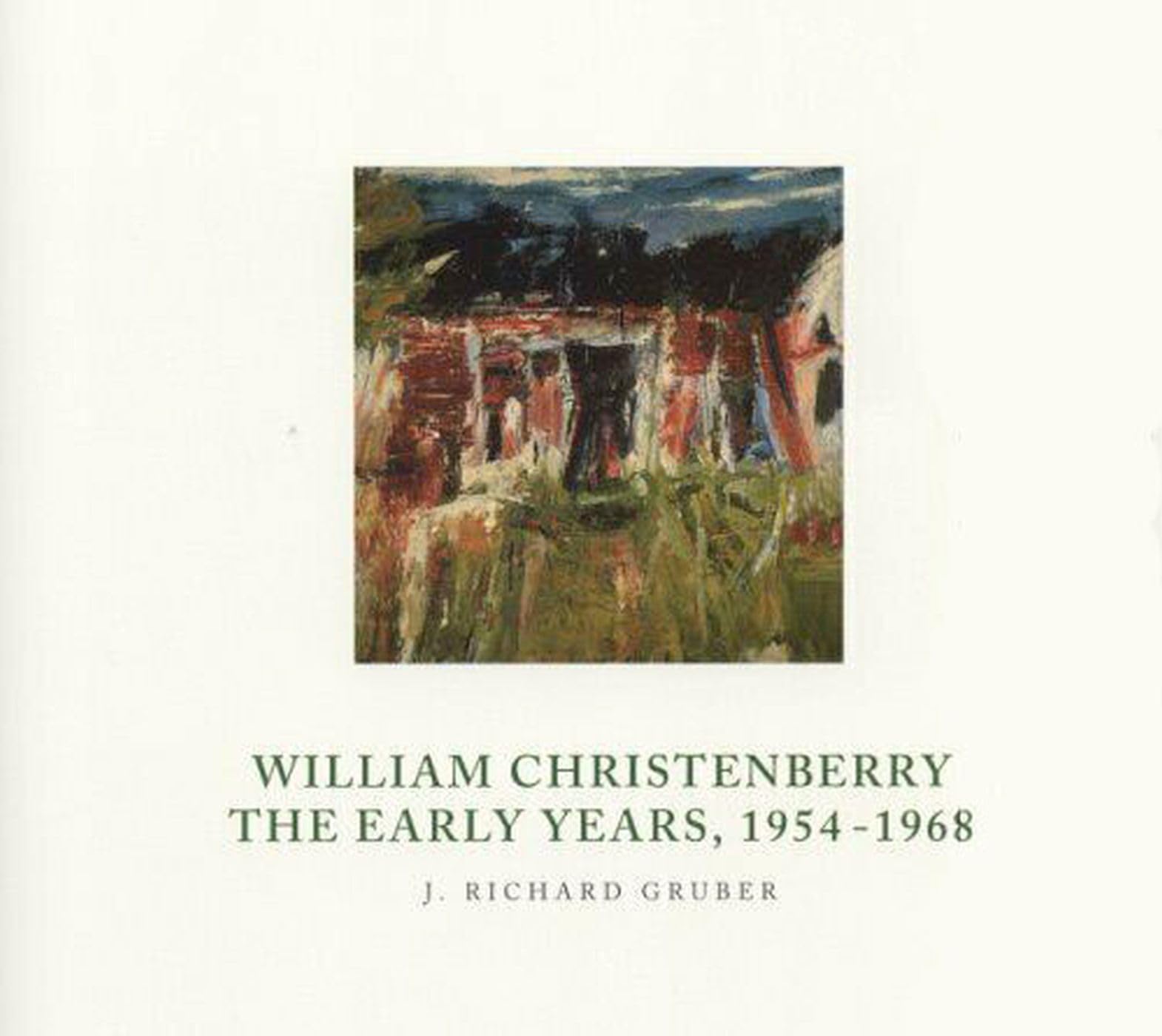
Title
William Christenberry: The Early Years, 19541968,Used
Sold by Ergodebooks, an authorized reseller.
Returns accepted within 30 days | support@ergodebooks.com
Shipping Information
- Free Standard Shipping — United States only
- Processing Time: 3–5 business days
- Estimated Delivery: 6–10 business days after dispatch
- Double-boxed, fully insured & discreetly packaged
- Tracking number sent via email once dispatched
Returns & Refund
Returns accepted within 30 days of delivery.
Damaged or Defective Item
Free return shipping + replacement or full refund
Wrong Item Received
Free return shipping + replacement or full refund
Change of Mind
Return shipping at customer's expense · 25% restocking fee applies
Payment Option

Places Christenberrys work and his life in the South in significant new contextNationally recognized as an artist, photographer, teacher, and arts advocate, William Christenberry has lived and worked in Washington, DC, since 1968, when he became a professor of painting at the Corcoran Gallery School of Art. Although Christenberry is well known as a photographer and sculptor, relatively little has been known about his early paintings and his career in the South prior to 1968.Born in Tuscaloosa, Alabama, in 1936, Christenberry is closely identified with the culture and environment of his native South, specifically with the region around Hale County, Alabama, the same region memorialized by James Agee and Walker Evans in the classic Let Us Now Praise Famous Men. That book, first discovered by Christenberry when it was reissued in 1960, served as a major influence upon his early aesthetic development, including the creation of his Tenant House series of paintings, photographs, and studies (19601964). Throughout The Early Years, Christenberrys work is presented as part of an evolutionary series of developments that began with Christenberrys immersion in the Abstract Expressionist philosophies and techniques taught at The University of Alabama during his years as a student there (19541959) and continued through his abandonment of painting on canvas (1964) and his inclusion of signs and found objects in the threedimensional constructions he created in Memphis (19641968).Many of the pieces featured in The Early Years were in storage in Christenberrys attic for nearly three decades. Now part of a national touring exhibition, they richly deserve the close attention J. Richard Gruber here gives them.
⚠️ WARNING (California Proposition 65):
This product may contain chemicals known to the State of California to cause cancer, birth defects, or other reproductive harm.
For more information, please visit www.P65Warnings.ca.gov.