
Title
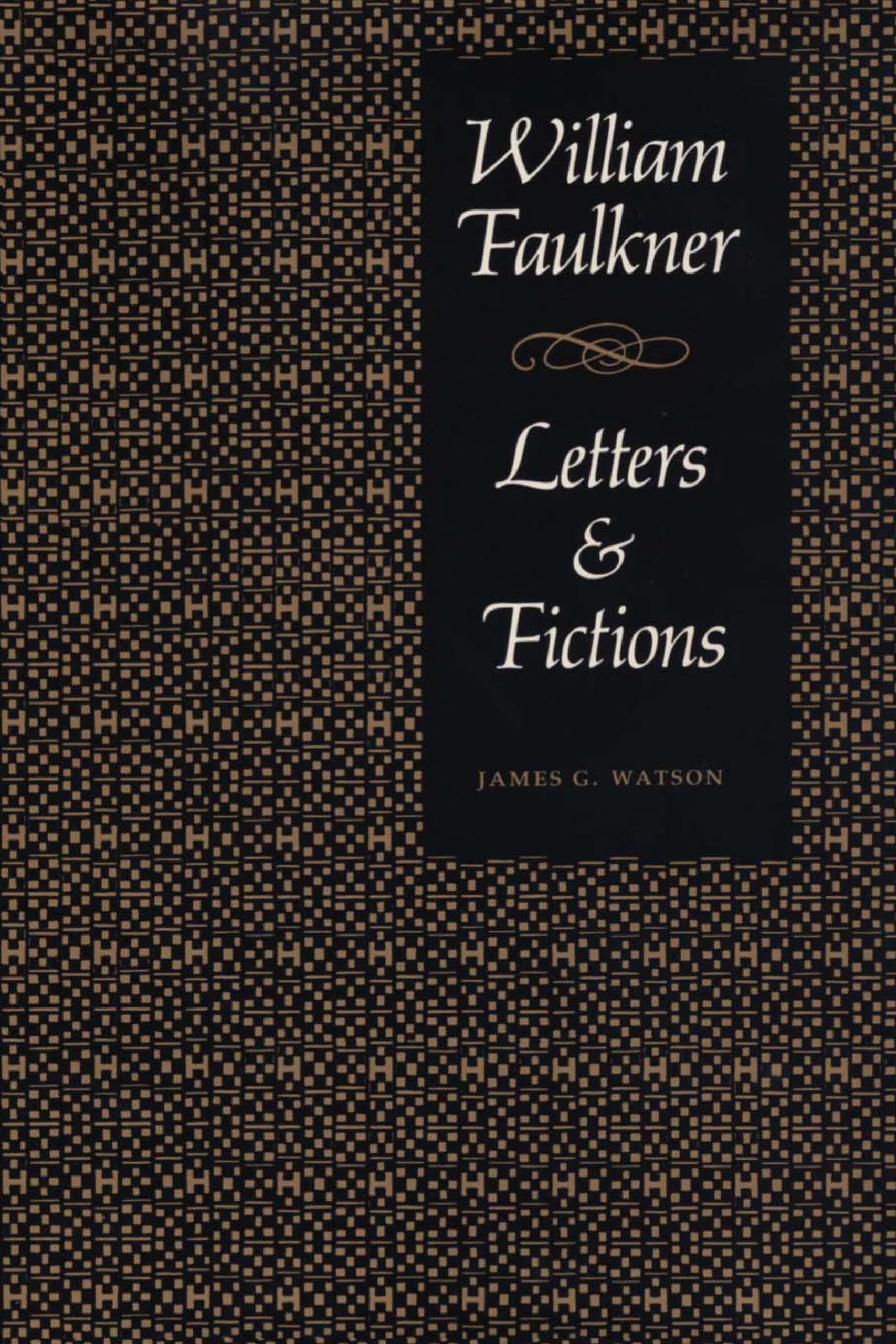
William Faulkner: Letters and Fictions,Used
Sold by Ergodebooks, an authorized reseller.
Returns accepted within 30 days | support@ergodebooks.com
Shipping Information
- Free Standard Shipping — United States only
- Processing Time: 3–5 business days
- Estimated Delivery: 6–10 business days after dispatch
- Double-boxed, fully insured & discreetly packaged
- Tracking number sent via email once dispatched
Returns & Refund
Returns accepted within 30 days of delivery.
Damaged or Defective Item
Free return shipping + replacement or full refund
Wrong Item Received
Free return shipping + replacement or full refund
Change of Mind
Return shipping at customer's expense · 25% restocking fee applies
Payment Option

Besides the groundbreaking novels and stories that brought him fame, William Faulkner throughout his life wrote lettersto his publisher, his lovers, his family, and his friends. In this first major study of epistolarity in Faulkner's work, James G. Watson examines Faulkner's personal correspondence as a unique second canon of writing, separate from his literary canon with its many fictional letters but developing along parallel lines. By describing the similarity of forms and conventions in Faulkner's personal and fictional correspondence, Watson clearly demonstrates that Faulkner's personal experience as a writer of letters significantly shaped his imaginative work early and late.Letters are always about themselves; they recreate a world between the sender and the receiver. In this illuminating study, Faulkner's personal letters are treated as a form of reflexive writing: firstperson narratives in which Sender selfconsciously portrays Self to a specific Receiver, likewise portrayed in the lettertext. This duality of actual experience and imaginative recreation measures the personal distances between the life of the writer and the written selfimage. It reveals that letters are at once fragments of autobiography and fictions of self.Such "laws of letters" apply equally to the letters that appear throughout Faulkner's novels and stories. The twentyone letters and telegrams in The Sound and the Fury, for example, portray character, propel plot, and convey important themes of failed communication and broken identity. From Soldiers' Pay to his last work, Faulkner's carefully lettered canon of fiction is dramatic evidence of his understanding of epistolarity and of the extent to which he adapted letters, including some of his own, to shape his fictional world.
⚠️ WARNING (California Proposition 65):
This product may contain chemicals known to the State of California to cause cancer, birth defects, or other reproductive harm.
For more information, please visit www.P65Warnings.ca.gov.