
Title
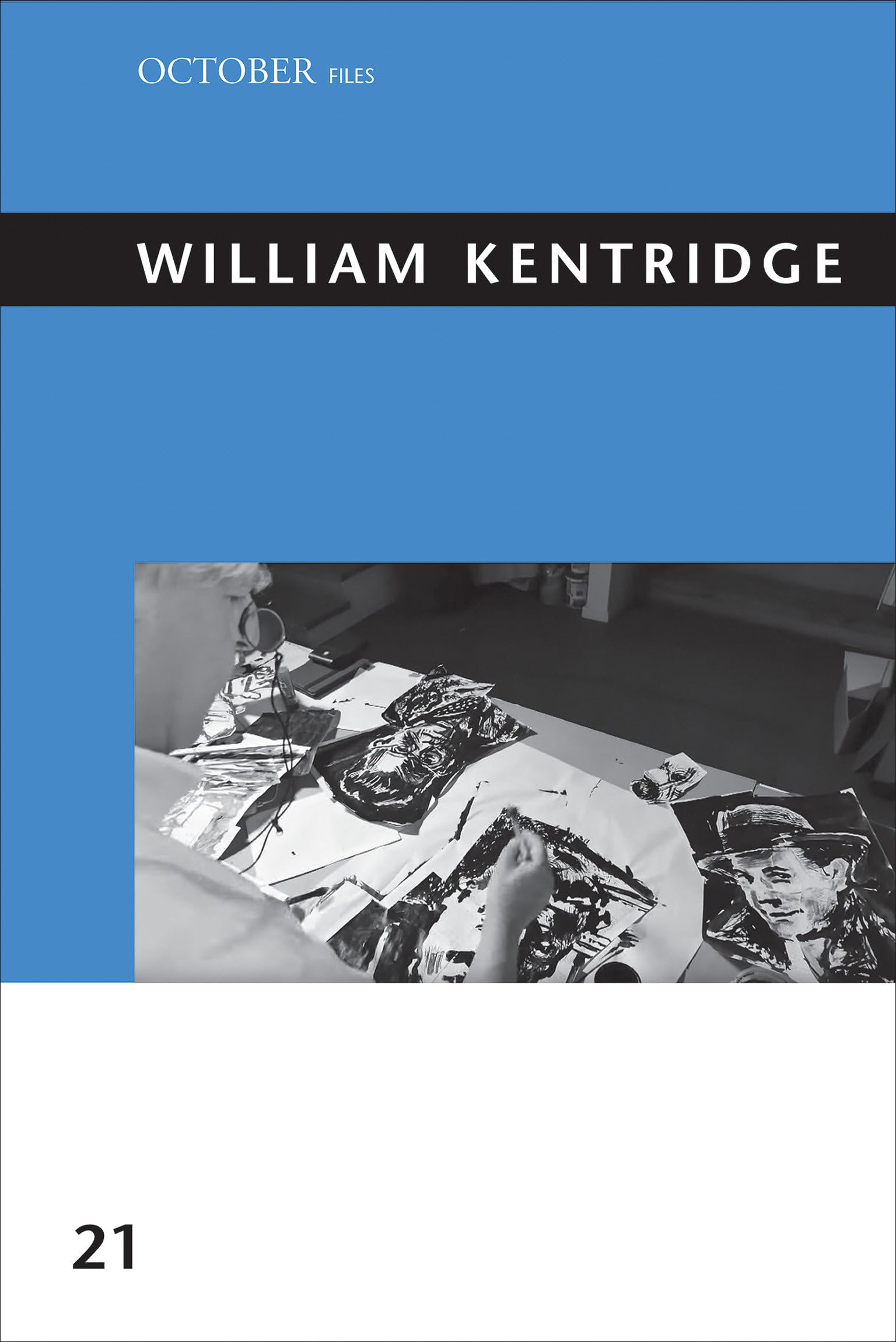
William Kentridge (October Files),Used
Sold by Ergodebooks, an authorized reseller.
Returns accepted within 30 days | support@ergodebooks.com
Shipping Information
- Free Standard Shipping — United States only
- Processing Time: 3–5 business days
- Estimated Delivery: 6–10 business days after dispatch
- Double-boxed, fully insured & discreetly packaged
- Tracking number sent via email once dispatched
Returns & Refund
Returns accepted within 30 days of delivery.
Damaged or Defective Item
Free return shipping + replacement or full refund
Wrong Item Received
Free return shipping + replacement or full refund
Change of Mind
Return shipping at customer's expense · 25% restocking fee applies
Payment Option

Critical texts and interviews that explore the drawings, animations, and theatrical work of the South African artist William Kentridge.Since the 1970s, the South African artist William Kentridge has charted the turbulent terrain of his homeland in both personal and political terms. With erudition, absurdist humor, and an underlying hope in humankind, Kentridge's artwork has examined apartheid, humanitarian atrocities, aging, and the ambiguities of growing up white and Jewish in South Africa. This October Files volume brings together critical essays and interviews that explore Kentridge's work and shed light on the unique working processes behind his drawings, prints, stopanimation films, and theater works.The texts include an interview by the artist Carolyn ChristovBakargiev, curator of the first major retrospective of Kentridge's work; an essay by Andreas Huyssen on the role of shadowplay in Kentridge's film series 9 Drawing for Projection; and investigations of Kentridge's work for opera and theater by Maria Gough, Joseph Leo Koerner, and Margaret Koster Koerner. An analysis by influential art historian Rosalind Krauss, the editor of this volume, argues that Kentridge's films are the result of a particularly reflexive drawing practice in which the marks on the pageparticularly the smudges, smears, and erasures that characterize his stopanimationsdefine the act of drawing as a temporal medium. Krauss's understanding of Kentridge's work as embodying a fundamental tension between formal and sociological poles has been crucial to subsequent analyses of the artist's work, including the new essay by the anthropologist Rosalind Morris, who has collaborated with Kentridge on several projects.Essays and InterviewsCarolyn ChristovBakargiev, Maria Gough, Andreas Huyssen, William Kentridge, Joseph Leo Koerner, Margaret Koster Koerner, Rosalind Krauss, Rosalind Morris
⚠️ WARNING (California Proposition 65):
This product may contain chemicals known to the State of California to cause cancer, birth defects, or other reproductive harm.
For more information, please visit www.P65Warnings.ca.gov.