
Title
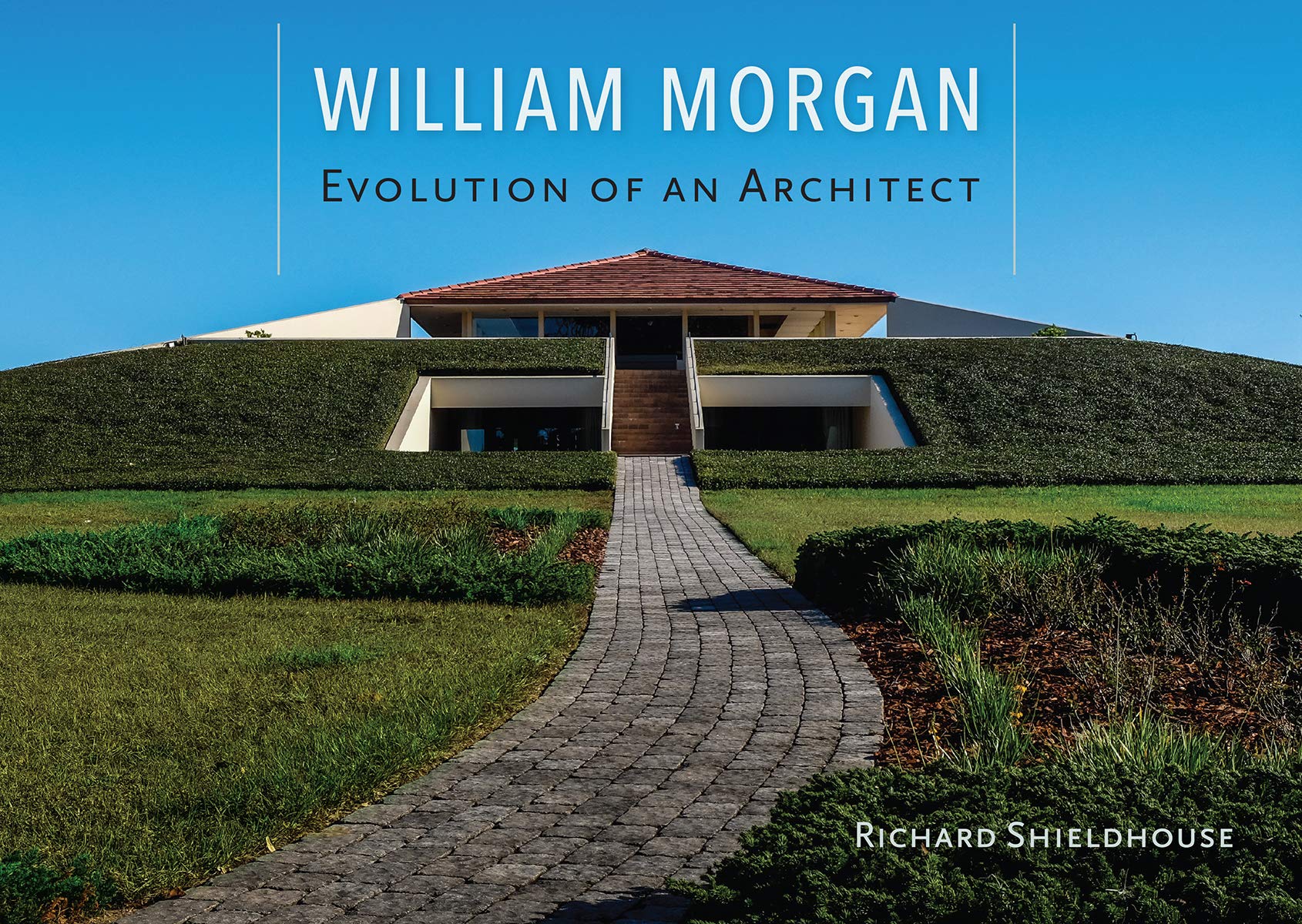
William Morgan: Evolution of an Architect,Used
Sold by Ergodebooks, an authorized reseller.
Returns accepted within 30 days | support@ergodebooks.com
Shipping Information
- Free Standard Shipping — United States only
- Processing Time: 3–5 business days
- Estimated Delivery: 6–10 business days after dispatch
- Double-boxed, fully insured & discreetly packaged
- Tracking number sent via email once dispatched
Returns & Refund
Returns accepted within 30 days of delivery.
Damaged or Defective Item
Free return shipping + replacement or full refund
Wrong Item Received
Free return shipping + replacement or full refund
Change of Mind
Return shipping at customer's expense · 25% restocking fee applies
Payment Option

William Morgan (19302016) was a bold, innovative, and highly imaginative architect known internationally for fusing ancient and modern styles and for his early championing of green design principles. This extensively illustrated book traces Morgans life story and the development of his singular design vision. Exploring Morgans early influences, Richard Shieldhouse reveals the architects childhood familiarity with preColumbian village sites and introduces college mentors who encouraged his interest in both architecture and archaeology. During navy service in the Pacific, Morgan studied ancient structures in Guam as well as Frank Lloyd Wrights design work in Japan. Later, his drive and discipline brought him into contact with leading architects such as Paul Rudolph at Harvards Graduate School of Design, a hotbed of modernism at the time. From there, Morgan struck out on his own in Jacksonville, Florida, to shape the course of architectural history. This book tracks the evolution of Morgans guiding ideaseconomy, efficiency, visual delight, imaginative use of everyday materials, and environmental sensitivity. His most famous designs are featured with photographs, drawings, and the architects own commentary. Structures such as the Dunehouses, a duplex built into the side of an oceanfront dune, represent Morgans commitment to earth architecture. His plans for police headquarters and other public buildings incorporate green roofs, stepped terraces, pyramid forms, and other elements inspired by aspects of prehistoric design. Morgan was unique among architects for his interest in ancient North America and for blending a modern style characterized by its rejection of history with the design language of prehistory. Highlighting how his work has impacted many areas of architecture such as urban design, this book celebrates Morgans continuing legacy.
⚠️ WARNING (California Proposition 65):
This product may contain chemicals known to the State of California to cause cancer, birth defects, or other reproductive harm.
For more information, please visit www.P65Warnings.ca.gov.