
Title
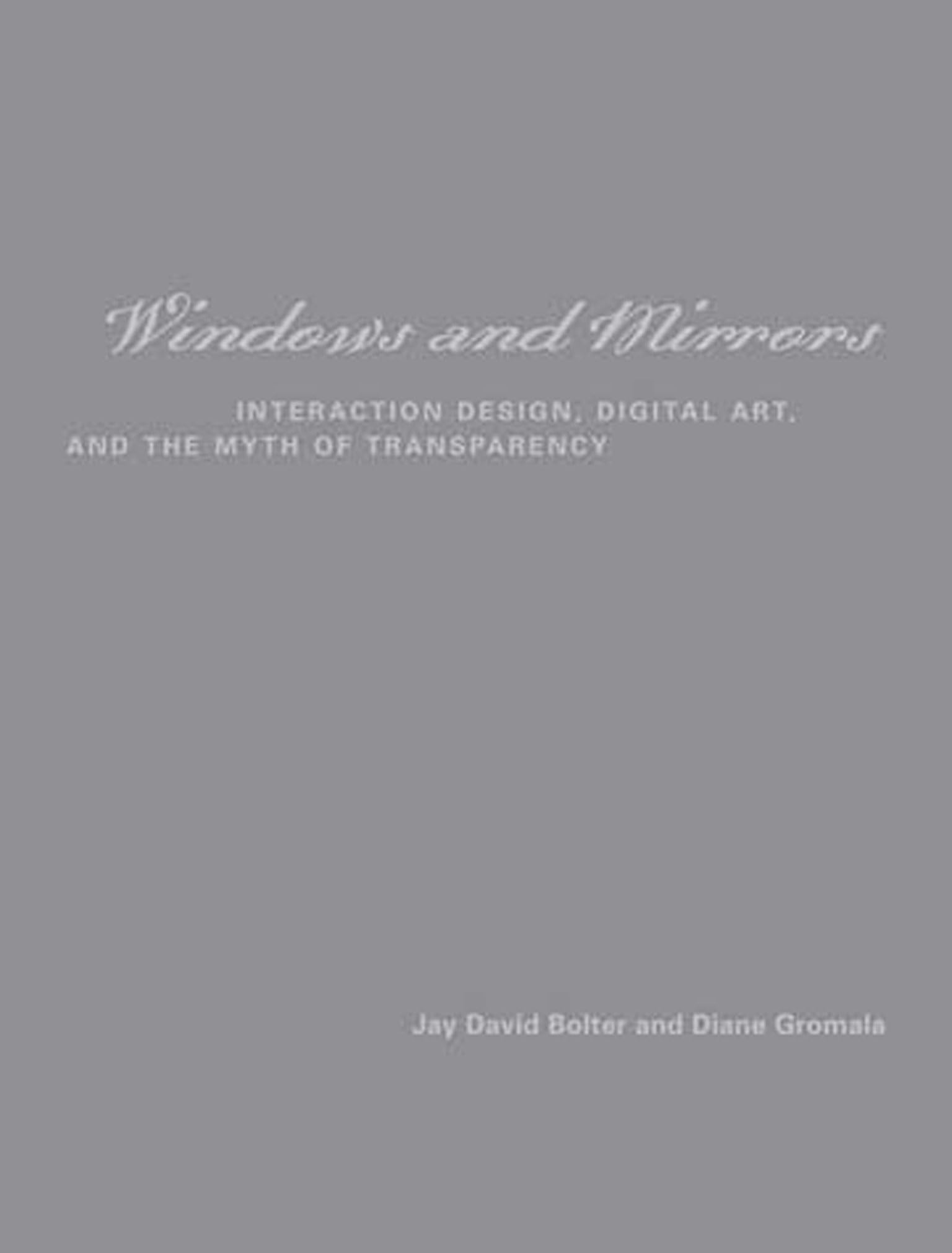
Windows and Mirrors: Interaction Design, Digital Art, and the Myth of Transparency (Leonardo),Used
Sold by Ergodebooks, an authorized reseller.
Returns accepted within 30 days | support@ergodebooks.com
Shipping Information
- Free Standard Shipping — United States only
- Processing Time: 3–5 business days
- Estimated Delivery: 6–10 business days after dispatch
- Double-boxed, fully insured & discreetly packaged
- Tracking number sent via email once dispatched
Returns & Refund
Returns accepted within 30 days of delivery.
Damaged or Defective Item
Free return shipping + replacement or full refund
Wrong Item Received
Free return shipping + replacement or full refund
Change of Mind
Return shipping at customer's expense · 25% restocking fee applies
Payment Option

The experience of digital art and how it is relevant to information technology.In Windows and Mirrors: Interaction Design, Digital Art, and the Myth of Transparency, Jay David Bolter and Diane Gromala argue that, contrary to Donald Norman's famous dictum, we do not always want our computers to be invisible 'information appliances.' They say that a computer does not feel like a toaster or a vacuum cleaner; it feels like a medium that is now taking its place beside other media like printing, film, radio, and television. The computer as medium creates new forms and genres for artists and designers; Bolter and Gromala want to show what digital art has to offer to Web designers, education technologists, graphic artists, interface designers, HCI experts, and, for that matter, anyone interested in the cultural implications of the digital revolution.In the early 1990s, the World Wide Web began to shift from purely verbal representation to an experience for the user in which form and content were thoroughly integrated. Designers brought their skills and sensibilities to the Web, as well as a belief that a message was communicated through interplay of words and images. Bolter and Gromala argue that invisibility or transparency is only half the story; the goal of digital design is to establish a rhythm between transparencymade possible by mastery of techniquesand reflectionas the medium itself helps us understand our experience of it.The book examines recent works of digital art from the Art Gallery at SIGGRAPH 2000. These works, and their inclusion in an important computer conference, show that digital art is relevant to technologists. In fact, digital art can be considered the purest form of experimental design; the examples in this book show that design need not deliver information and then erase itself from our consciousness but can engage us in an interactive experience of form and content.
⚠️ WARNING (California Proposition 65):
This product may contain chemicals known to the State of California to cause cancer, birth defects, or other reproductive harm.
For more information, please visit www.P65Warnings.ca.gov.