
Title
Wired Tv: Laboring Over An Interactive Future,Used
Sold by Ergodebooks, an authorized reseller.
Returns accepted within 30 days | support@ergodebooks.com
Shipping Information
- Free Standard Shipping — United States only
- Processing Time: 3–5 business days
- Estimated Delivery: 6–10 business days after dispatch
- Double-boxed, fully insured & discreetly packaged
- Tracking number sent via email once dispatched
Returns & Refund
Returns accepted within 30 days of delivery.
Damaged or Defective Item
Free return shipping + replacement or full refund
Wrong Item Received
Free return shipping + replacement or full refund
Change of Mind
Return shipping at customer's expense · 25% restocking fee applies
Payment Option

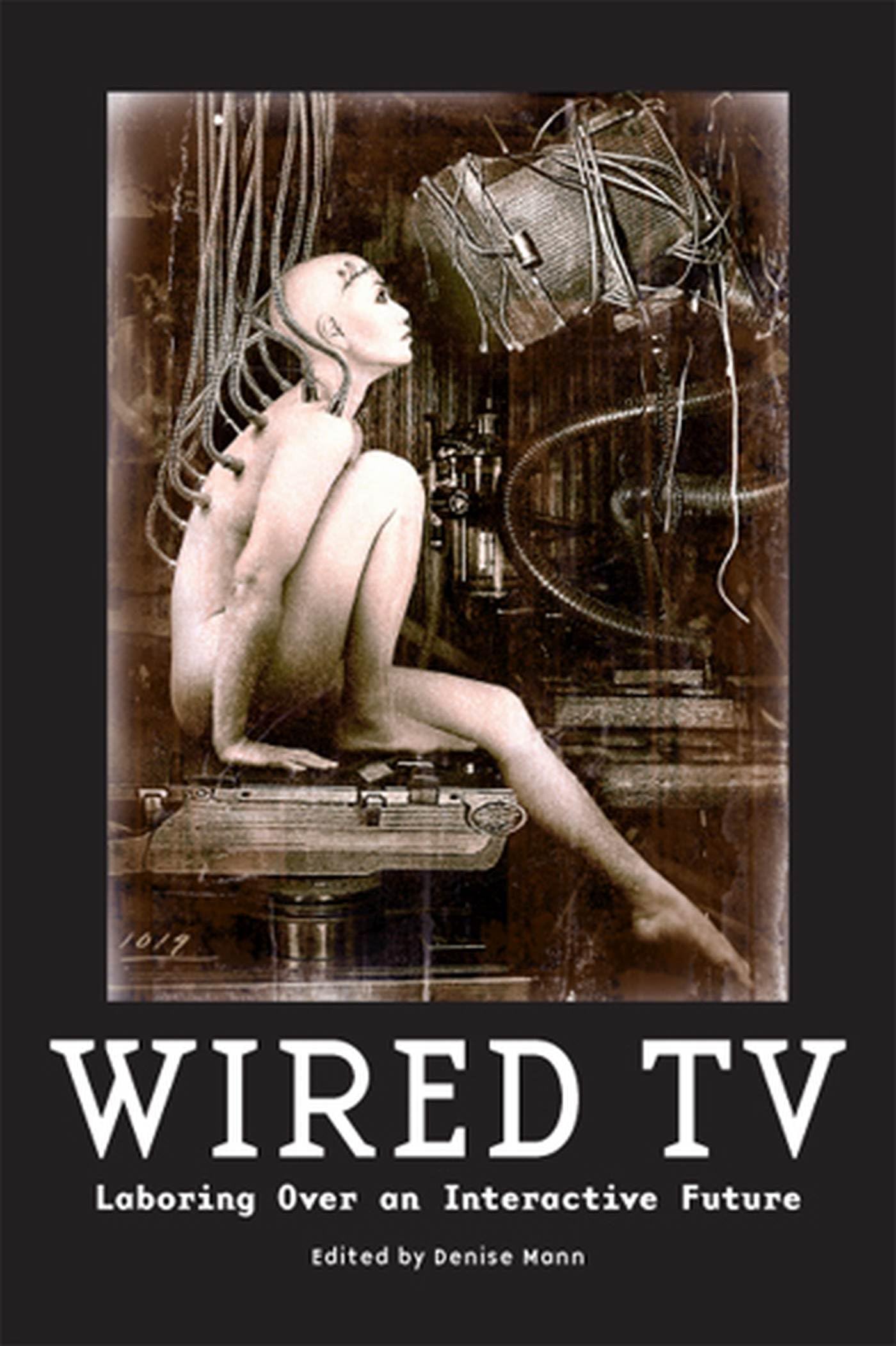
This collection looks at the postnetwork television industrys heady experiments with new forms of interactive storytellingor wired TVthat took place from 2005 to 2010 as the networks responded to the introduction of broadband into the majority of homes and the proliferation of popular, participatory Web 2.0 companies like Facebook, YouTube, and Twitter.Contributors address a wide range of issues, from the networks sporadic efforts to engage fans using transmedia storytelling to the production inefficiencies that continue to dog network television to the impact of multimedia convergence and multinational, corporate conglomeration on entrepreneurial creativity. With essays from such top scholars as Henry Jenkins, John T. Caldwell, and Jonathan Gray and from new and exciting voices emerging in this field, Wired TV elucidates the myriad new digital threats and the equal number of digital opportunities that have become part and parcel of todays postnetwork era. Readers will quickly recognize the familiar television franchises on which the contributors focus including Lost, The Office, Entourage, Battlestar Gallactica, The L Word, and Heroesin order to reveal their impact on an industry in transition.While it is not easy for vast bureaucracies to change course, executives from key network divisions engaged in an unprecedented period of innovation and collaboration with four important groups: members of the Hollywood creative community who wanted to expand televisions storytelling worlds and marketing capabilities by incorporating social media; members of the Silicon Valley tech community who were keen to rethink television distribution for the digital era; members of the Madison Avenue advertising community who were eager to rethink adsupported content; and fans who were enthusiastic and willing to use social media story extensions to proselytize on behalf of a favorite network series.In the aftermath of the lengthy Writers Guild of America strike of 2007/2008, the networks clamped down on such collaborations and began to reclaim control over their operations, locking themselves back into an aging system of interconnected bureaucracies, entrenched hierarchies, and traditional partners from the past. Whats next for the future of the television industry? Stay tunedor at least online.Contributors: Vincent Brook, Will Brooker, John T. Caldwell, M. J. Clarke, Jonathan Gray, Henry Jenkins, Derek Johnson, Robert V. Kozinets, Denise Mann, Katynka Z. Martnez, and Julie Levin Russo
⚠️ WARNING (California Proposition 65):
This product may contain chemicals known to the State of California to cause cancer, birth defects, or other reproductive harm.
For more information, please visit www.P65Warnings.ca.gov.