
Title
Wittgenstein and Modernism,Used
Sold by Ergodebooks, an authorized reseller.
Returns accepted within 30 days | support@ergodebooks.com
Shipping Information
- Free Standard Shipping — United States only
- Processing Time: 3–5 business days
- Estimated Delivery: 6–10 business days after dispatch
- Double-boxed, fully insured & discreetly packaged
- Tracking number sent via email once dispatched
Returns & Refund
Returns accepted within 30 days of delivery.
Damaged or Defective Item
Free return shipping + replacement or full refund
Wrong Item Received
Free return shipping + replacement or full refund
Change of Mind
Return shipping at customer's expense · 25% restocking fee applies
Payment Option

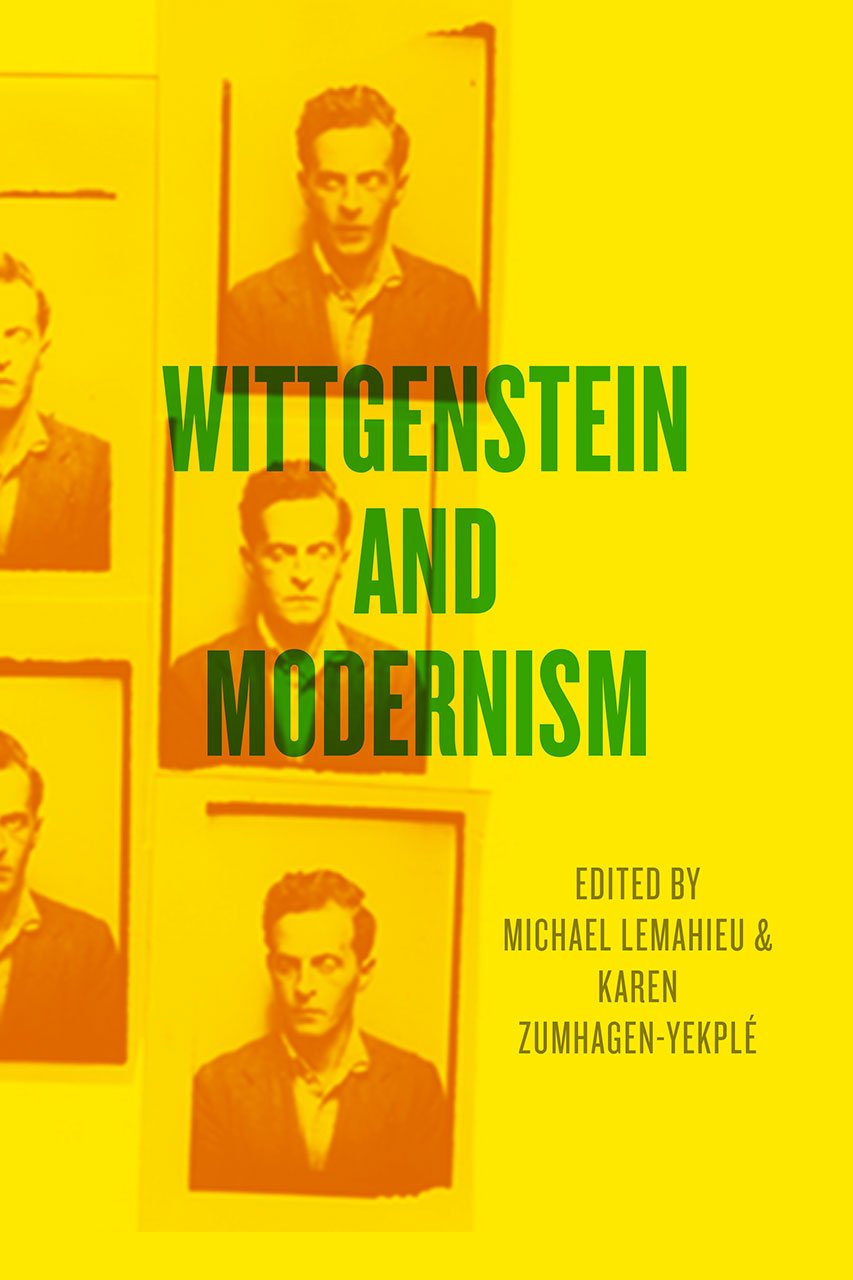
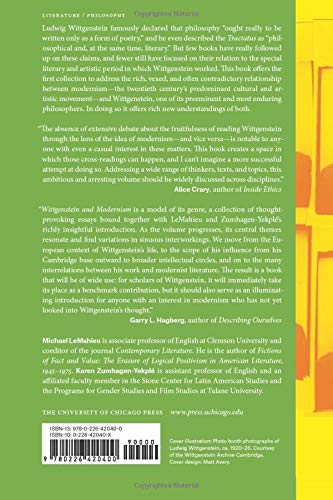
Ludwig Wittgenstein famously declared that philosophy ought really to be written only as a form of poetry, and he even described the Tractatus as philosophical and, at the same time, literary. But few books have really followed up on these claims, and fewer still have focused on their relation to the special literary and artistic period in which Wittgenstein worked. This book offers the first collection to address the rich, vexed, and often contradictory relationship between modernismthe twentieth centurys predominant cultural and artistic movementand Wittgenstein, one of its preeminent and most enduring philosophers. In doing so it offers rich new understandings of both.Michael LeMahieu Karen ZumhagenYekpl bring together scholars in both twentiethcentury philosophy and modern literary studies to put Wittgenstein into dialogue with some of modernisms most iconic figures, including Samuel Beckett, Saul Bellow, Walter Benjamin, Henry James, James Joyce, Franz Kafka, Adolf Loos, Robert Musil, Wallace Stevens, and Virginia Woolf. The contributors touch on two important aspects of Wittgensteins work and modernism itself: form and medium. They discuss issues ranging from Wittgenstein and poetics to his use of numbered propositions in the Tractatus as a virtuoso performance of modernist form; from Wittgensteins persistence metaphoric use of religion, music, and photography to an exploration of how he and Henry James both negotiated the relationship between the aesthetic and the ethical.Covering many other fascinating intersections of the philosopher and the arts, this book offers an important bridge across the disciplinary divides that have kept us from a fuller picture of both Wittgenstein and the larger intellectual and cultural movement of which he was a part.
⚠️ WARNING (California Proposition 65):
This product may contain chemicals known to the State of California to cause cancer, birth defects, or other reproductive harm.
For more information, please visit www.P65Warnings.ca.gov.