If you have any questions, you are always welcome to contact us. We'll get back to you as soon as possible, withing 24 hours on weekdays.
Customer service
All questions about your order, return and delivery must be sent to our customer service team by e-mail at yourstore@yourdomain.com
Sale & Press
If you are interested in selling our products, need more information about our brand or wish to make a collaboration, please contact us at press@yourdomain.com
Help
If you have any questions, you are always welcome to contact us. We'll get back to you as soon as possible, withing 24 hours on weekdays.
Customer service
All questions about your order, return and delivery must be sent to our customer service team by e-mail at yourstore@yourdomain.com
Sale & Press
If you are interested in selling our products, need more information about our brand or wish to make a collaboration, please contact us at press@yourdomain.com
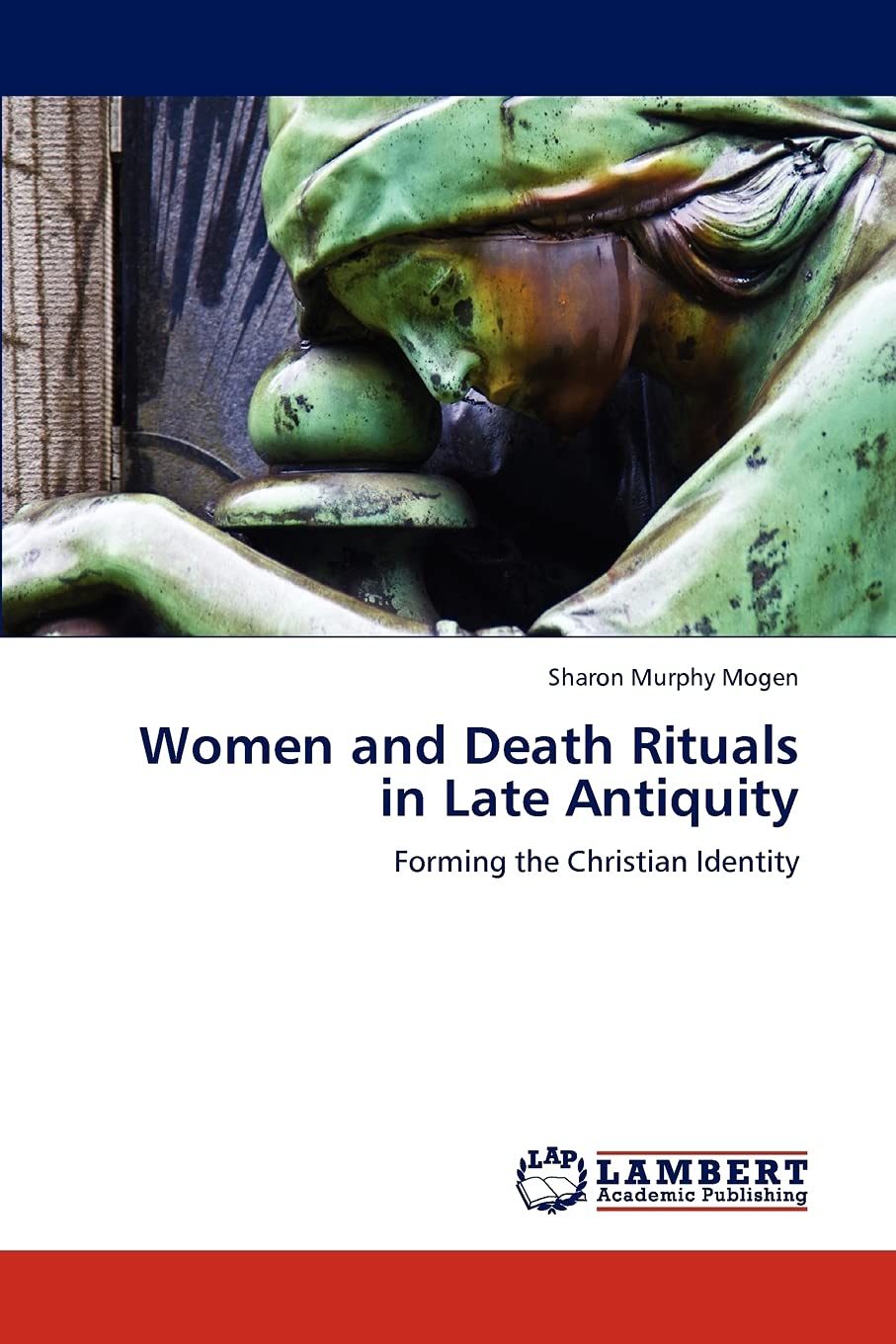
Widely scattered primary data from late antiquity confirm that RomanChristian families managed the rituals for death, burial, and commemoration of the dead at the domestic level. Household worship was regulated by Roman law, which explains in large part the lack of any serious interest by the emergent church in funerary matters until the mideighth century. During the interim therefore, Christian women as the primary caregivers and ritual specialists of the 'familia' assisted the dying, prepared the corpse for burial, lamented the deadin song, poetry, music, drama, and dancehosted funerary banquets, and remembered deceased family at the tomb. Furthermore, women were patrons and administrators of cemeteries, catacombs, martyrshrines, and voluntary associations that buried deceased members. It was not until ca.750 that the Frankish bishops requested the nuns at the abbey in Chelles to compile the rituals for Christian dying, death, and burial. The result was a sacramentary of funerary liturgy called the Vatican Gelasian, the forerunner of the sacrament 'extrema unctio'. This fascinating history begs the question: Just how much did women contribute to an early Christian identity?
⚠️ WARNING (California Proposition 65):
This product may contain chemicals known to the State of California to cause cancer,
birth defects, or other reproductive harm.
For MAP (Minimum Advertised Price) violations and Intellectual Property (IP) or Trademark concerns, please contact:
support@ergodebooks.com
⚠️ California Proposition 65 Warning: Some products sold on this website may expose you to chemicals known to the State of California to cause cancer, birth defects, or other reproductive harm. For more information, visit www.P65Warnings.ca.gov.