
Title
Women in the World of Frederick Douglass,New
Sold by Ergodebooks, an authorized reseller.
Returns accepted within 30 days | support@ergodebooks.com
Shipping Information
- Free Standard Shipping — United States only
- Processing Time: 3–5 business days
- Estimated Delivery: 6–10 business days after dispatch
- Double-boxed, fully insured & discreetly packaged
- Tracking number sent via email once dispatched
Returns & Refund
Returns accepted within 30 days of delivery.
Damaged or Defective Item
Free return shipping + replacement or full refund
Wrong Item Received
Free return shipping + replacement or full refund
Change of Mind
Return shipping at customer's expense · 25% restocking fee applies
Payment Option

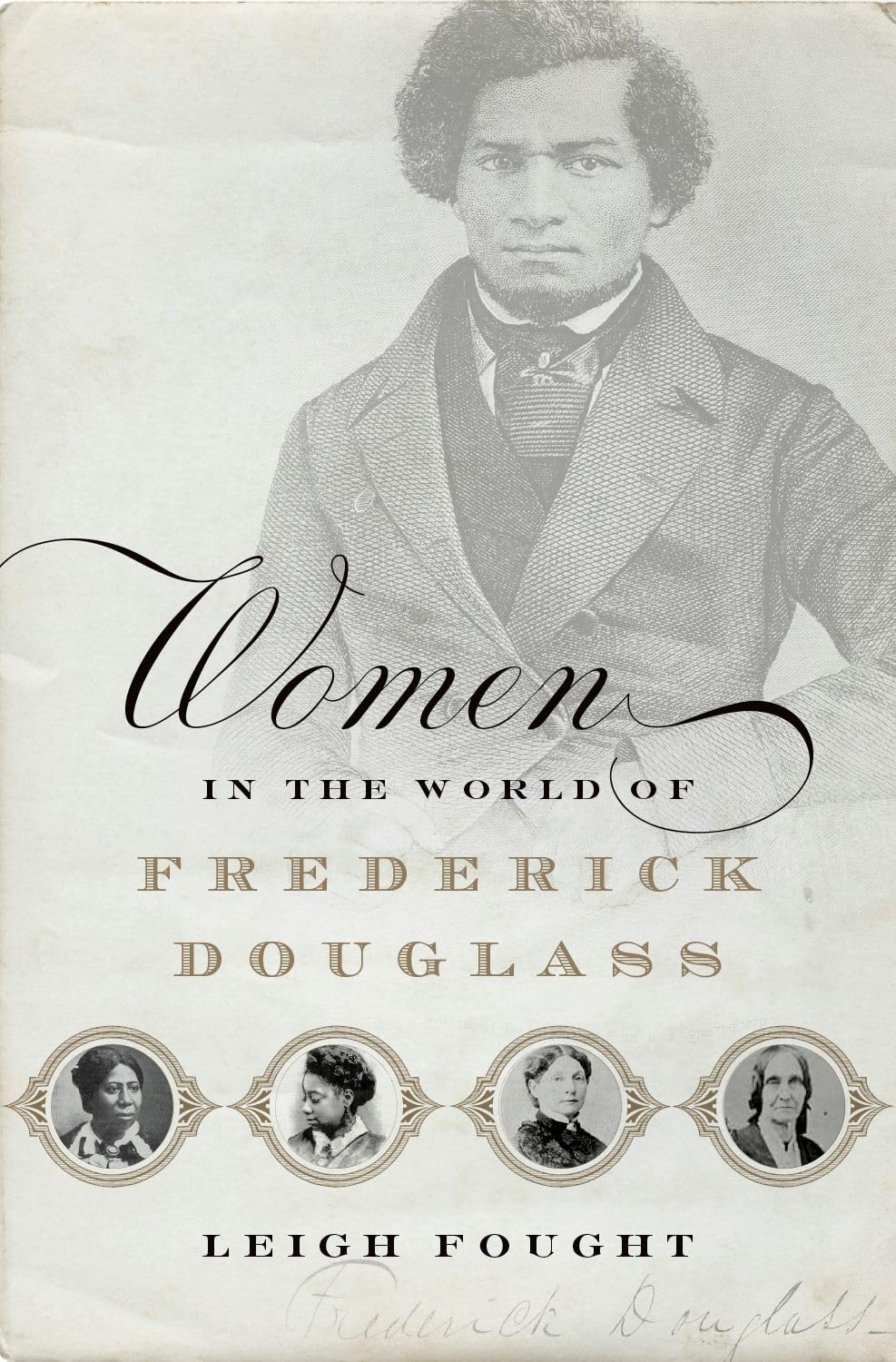
In his extensive writings, Frederick Douglass revealed little about his private life. His famous autobiographies present him overcoming unimaginable trials to gain his freedom and establish his identityall in service to his public role as an abolitionist. But in both the public and domestic spheres, Douglass relied on a complicated array of relationships with women: white and black, slavemistresses and family, political collaborators and intellectual companions, wives and daughters. And the great man needed them throughout a turbulent life that was never so linear and selfmade as he often wished to portray it.In Women in the World of Frederick Douglass, Leigh Fought illuminates the life of the famed abolitionist off the public stage. She begins with the women he knew during his life as a slave: his mother, from whom he was separated; his grandmother, who raised him; his slave mistresses, including the one who taught him how to read; and his first wife, Anna Murray, a free woman who helped him escape to freedom and managed the household that allowed him to build his career. Fought examines Douglass's varied relationships with white womenincluding Maria Weston Chapman, Julia Griffiths, Elizabeth Cady Stanton, and Ottilie Assingwho were crucial to the success of his newspapers, were active in the antislavery and women's movements, and promoted his work nationally and internationally. She also considers Douglass's relationship with his daughter Rosetta, who symbolized her parents' middle class prominence but was caught navigating between their public and private worlds. Late in life, Douglass remarried to a white woman, Helen Pitts, who preserved his papers, home, and legacy for history.By examining the circle of women around Frederick Douglass, this work brings these figures into sharper focus and reveals a fuller and more complex image of the selfproclaimed 'woman's rights man.'
⚠️ WARNING (California Proposition 65):
This product may contain chemicals known to the State of California to cause cancer, birth defects, or other reproductive harm.
For more information, please visit www.P65Warnings.ca.gov.