If you have any questions, you are always welcome to contact us. We'll get back to you as soon as possible, withing 24 hours on weekdays.
Customer service
All questions about your order, return and delivery must be sent to our customer service team by e-mail at yourstore@yourdomain.com
Sale & Press
If you are interested in selling our products, need more information about our brand or wish to make a collaboration, please contact us at press@yourdomain.com
Help
If you have any questions, you are always welcome to contact us. We'll get back to you as soon as possible, withing 24 hours on weekdays.
Customer service
All questions about your order, return and delivery must be sent to our customer service team by e-mail at yourstore@yourdomain.com
Sale & Press
If you are interested in selling our products, need more information about our brand or wish to make a collaboration, please contact us at press@yourdomain.com
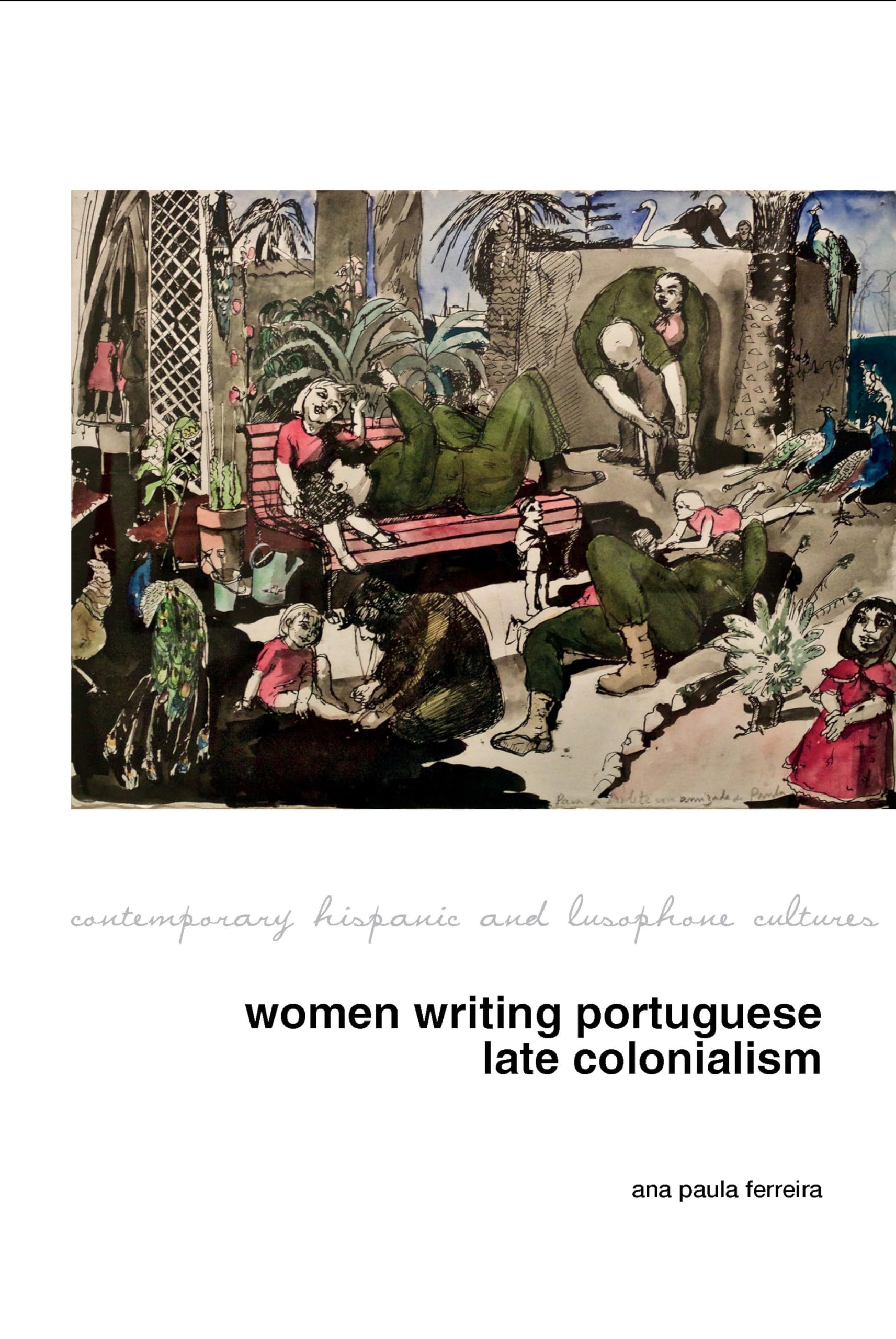
An Open Access edition of this book is available on the Liverpool University Press website and through Knowledge Unlatched.This book represents the first attempt to query the contribution of women as cultural agents to the colonization, the anticolonial opposition and the decolonization of territories ruled by Portugal in the African continent between the turn of the twentieth century and the early twentyfirst. In contrast to the longstanding scholarship on the subject as regards other European empires, the entanglement of gender and colonialism has been ignored in the Portuguese case. Hence, this book takes a long view, surveying mostly little known historical and literary records that evince how "women" and "colonialism" were discursively constructed at particular points in time in view of a colonialist project that became the reason for being of the fascist authoritarian regime (19331974). A cultural studies approach of radical contextualization informs each of the five main chapters, in which documents from a range of disciplines are brought to bear on the main problematic of the femaleauthored works in focus. The latter are all written in the metropole as a place of colonial return and critical reflection. Beyond recuperating women's voices, this book suggests a story of Portuguese colonialism in the African continent that is anything but Lusotropicalist.
⚠️ WARNING (California Proposition 65):
This product may contain chemicals known to the State of California to cause cancer,
birth defects, or other reproductive harm.
For MAP (Minimum Advertised Price) violations and Intellectual Property (IP) or Trademark concerns, please contact:
support@ergodebooks.com
⚠️ California Proposition 65 Warning: Some products sold on this website may expose you to chemicals known to the State of California to cause cancer, birth defects, or other reproductive harm. For more information, visit www.P65Warnings.ca.gov.