
Title
Women'S Work: Textile Art From The Bauhaus
Sold by Ergodebooks, an authorized reseller.
Returns accepted within 30 days | support@ergodebooks.com
Shipping Information
- Free Standard Shipping — United States only
- Processing Time: 3–5 business days
- Estimated Delivery: 6–10 business days after dispatch
- Double-boxed, fully insured & discreetly packaged
- Tracking number sent via email once dispatched
Returns & Refund
Returns accepted within 30 days of delivery.
Damaged or Defective Item
Free return shipping + replacement or full refund
Wrong Item Received
Free return shipping + replacement or full refund
Change of Mind
Return shipping at customer's expense · 25% restocking fee applies
Payment Option

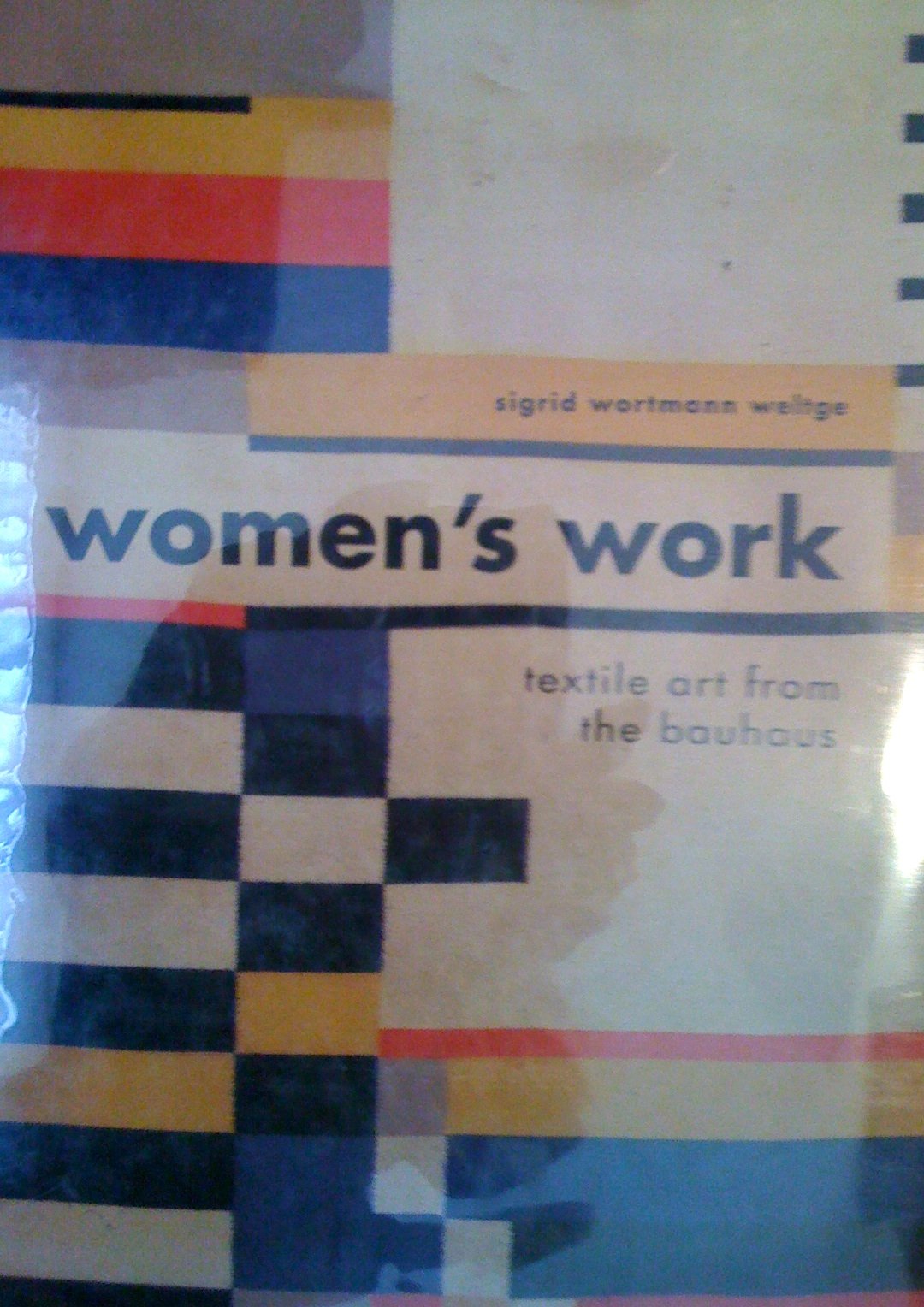
Resurrecting The Work Of Gifted Craftswomen, Too Long Denied Their Place As Pioneers In Their Field, Women'S Work: Textile Art From The Bauhaus Unearths A Missing Chapter In The Story Of The Most Important Institution In The History Of Modern Design.The Bauhaus Defined Modern Design In The Twentieth Century. As The Preeminent Design Phenomenon Of The Era, Almost Every Aspect Of It Has Been Minutely Examined. Yet The Weaving Workshop, The Longest Standing And Most Successful Of All Bauhaus Workshops, Has Been Neglected For One Simple Reason: When The First Wave Of Brilliantly Talented Women Arrived At The School, They Soon Discovered That Bauhaus Founder Walter Gropius Could Not Sustain His Ringing Declaration Of Equality Between The Beautiful And The Strong Gender. Textiles, In The Hierarchy Of Art And Design, Were To Be Women'S Work.Their Results, However, Were Remarkable, Both In The Early Days Of Artistic Expression In Weimar And In Later Developments In The Textile Industry. The Craftswomen Responded To The Demands Of Advanced Technology With Fabrics That Incorporated New Or Unusual Materials Such As Cellophane, Leather And Early Synthetics, Which Had Acoustic And Lightreflecting Properties. They Produced Multilayered Fabrics, Cloths With Double And Triple Weaves, And Later Made Extensive Use Of The Jacquard Loom. The Result Was A Rebirth Of Handweaving And New Professionalism In Designing Textiles For Mass Production.In This Model Study, Superlatively Documented With Rare Or Littleseen Photographs Of The Textiles And Their Makers, Sigrid Wortmann Weltge Captures The Heady Atmosphere Of Creative Excitement At The Bauhaus. Original Archival Research And Interviews, Both With Survivors And Their Students And With Leading Contemporary Designers, Detail The Workshop'S History And Its Enduring Legacy. When The Nazis Closed The Institution In 1933, Its Members Dispersed To Switzerland, Holland, England, France, Russia, Mexico, And Throughout The United States; Their Ideals And Influence Live On In Marvelous Fabrics Still Being Produced Today.
⚠️ WARNING (California Proposition 65):
This product may contain chemicals known to the State of California to cause cancer, birth defects, or other reproductive harm.
For more information, please visit www.P65Warnings.ca.gov.
- Q: What is the page count of this book? A: This book contains two hundred eight pages. It provides a comprehensive exploration of textile art from the Bauhaus.
- Q: What are the dimensions of 'Women's Work: Textile Art from the Bauhaus'? A: The dimensions of this book are nine point twenty-five inches in length, one inch in width, and eleven point five inches in height.
- Q: What type of binding does this book have? A: This book is hardcover. This durable binding is ideal for preserving the rich visual content.
- Q: How do I read and enjoy this book? A: You can read this book at your own pace. It's suitable for anyone interested in textile art or the Bauhaus movement.
- Q: Is this book suitable for beginners? A: Yes, this book is suitable for beginners. It offers insights into the work of women in the Bauhaus and requires no prior knowledge.
- Q: Can I use this book for educational purposes? A: Yes, this book is excellent for educational purposes. It can serve as a resource for art history courses or textile design studies.
- Q: How do I keep this book in good condition? A: To keep this book in good condition, store it in a dry environment and avoid exposure to direct sunlight. Clean it gently with a soft cloth.
- Q: Is this book safe for children? A: Yes, this book is safe for children. However, it’s recommended for older children due to its complex themes and historical context.
- Q: What is the best way to store this book? A: The best way to store this book is upright on a shelf, away from moisture and heat sources. This will help preserve its structure.
- Q: What if the book arrives damaged? A: If the book arrives damaged, you should contact customer support for assistance with returns or exchanges. Keep the original packaging for reference.
- Q: Can I return this book if I'm not satisfied? A: Yes, you can return this book if you're not satisfied. Please check the return policy for specific details on the return process.
- Q: Are there any specific care instructions for this book? A: Yes, avoid placing heavy objects on top of the book to prevent damage. Handle it gently to maintain its condition.
- Q: Is this book available in other formats? A: No, this book is only available in hardcover format. The hardcover edition showcases its visual elements effectively.
- Q: What themes does this book cover? A: This book covers themes of textile art, women's contributions to the Bauhaus, and the historical significance of the Weaving Workshop.
- Q: Who is the author of this book? A: The author of this book is Sigrid Wortmann Weltge. She provides valuable insights into the history and legacy of textile art.
- Q: What type of artwork is featured in this book? A: This book features textile artworks created by women at the Bauhaus, highlighting innovative techniques and materials used in their creations.