
Title
Wonderful Blood: Theology And Practice In Late Medieval Northern Germany And Beyond (The Middle Ages Series)
Sold by Ergodebooks, an authorized reseller.
Returns accepted within 30 days | support@ergodebooks.com
Shipping Information
- Free Standard Shipping — United States only
- Processing Time: 3–5 business days
- Estimated Delivery: 6–10 business days after dispatch
- Double-boxed, fully insured & discreetly packaged
- Tracking number sent via email once dispatched
Returns & Refund
Returns accepted within 30 days of delivery.
Damaged or Defective Item
Free return shipping + replacement or full refund
Wrong Item Received
Free return shipping + replacement or full refund
Change of Mind
Return shipping at customer's expense · 25% restocking fee applies
Payment Option

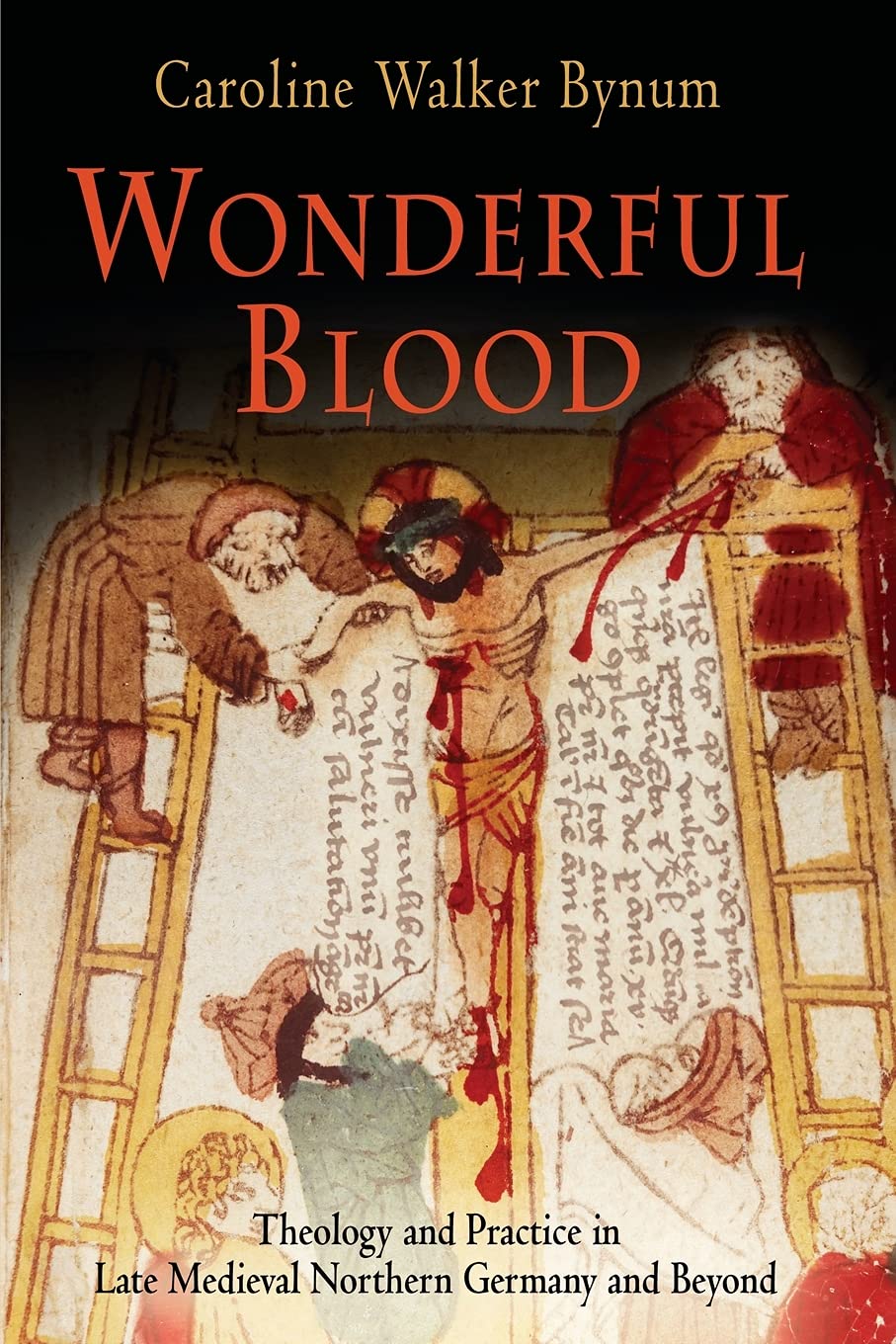
The Quiet Market Town Of Wilsnack In Northeastern Germany Is Unfamiliar To Most Englishspeakers And Even To Many Modern Germans. Yet In The Fifteenth Century It Was A European Pilgrimage Site Surpassed In Importance Only By Rome And Santiago De Compostela. The Goal Of Pilgrimage Was Three Miraculous Hosts, Supposedly Discovered In The Charred Remains Of The Village Church Several Days After It Had Been Torched By A Marauding Knight In August 1383. Although The Church Had Been Burned And The Spot Soaked With Rain, The Hosts Were Found Intact And Dry, With A Drop Of Christ'S Blood At The Center Of Each.In Wonderful Blood, Caroline Walker Bynum Studies The Saving Power Attributed To Christ'S Blood At North German Cult Sites Such As Wilsnack, The Theological Controversy Such Sites Generated, And The Hundreds Of Devotional Paintings, Poems, And Prayers Dedicated To Christ'S Wounds, Scourging, And Bloody Crucifixion. She Argues That Christ'S Blood As Both Object And Symbol Was Central To Late Medieval Art, Literature, Pious Practice, And Theology. As Object Of Veneration, Blood Provided A Focus Of Intense Debate About The Nature Of Matter, Body, And God And An Occasion For Jewish Persecution; As Motif, Blood Became A Prominent Subject Of Northern Art And A Central Symbol In The Visions Of Mystics And The Prayers Of Ordinary People.
⚠️ WARNING (California Proposition 65):
This product may contain chemicals known to the State of California to cause cancer, birth defects, or other reproductive harm.
For more information, please visit www.P65Warnings.ca.gov.
- Q: What is the main theme of 'Wonderful Blood'? A: The main theme of 'Wonderful Blood' is the significance of Christ's blood in late medieval northern Germany, exploring its theological implications, its role in devotional practices, and its impact on art and literature.
- Q: Who is the author of 'Wonderful Blood'? A: 'Wonderful Blood' is authored by Caroline Walker Bynum, a notable scholar in medieval studies.
- Q: What historical context does the book cover? A: The book covers the fifteenth century, focusing on the pilgrimage site of Wilsnack, which was significant for its miraculous hosts discovered after a church fire.
- Q: How many pages is 'Wonderful Blood'? A: 'Wonderful Blood' contains 456 pages, providing an in-depth analysis of its subject matter.
- Q: In what format is this book available? A: 'Wonderful Blood' is available in paperback format.
- Q: What kind of content can I expect in 'Wonderful Blood'? A: Readers can expect a rich exploration of theological debates, devotional art, and literature related to the veneration of Christ's blood.
- Q: What is the publication date of 'Wonderful Blood'? A: 'Wonderful Blood' was published on November 5, 2007.
- Q: Is 'Wonderful Blood' suitable for academic study? A: Yes, 'Wonderful Blood' is suitable for academic study as it provides a thorough analysis of theological concepts and cultural practices in medieval Europe.
- Q: Does the book discuss the impact of Christ's blood on Jewish communities? A: Yes, the book addresses how the veneration of Christ's blood was tied to debates about matter and body, which sometimes resulted in persecution of Jewish communities.
- Q: Can I find illustrations or artwork in the book? A: 'Wonderful Blood' includes discussions of devotional paintings and artistic representations related to the theme of Christ's blood.